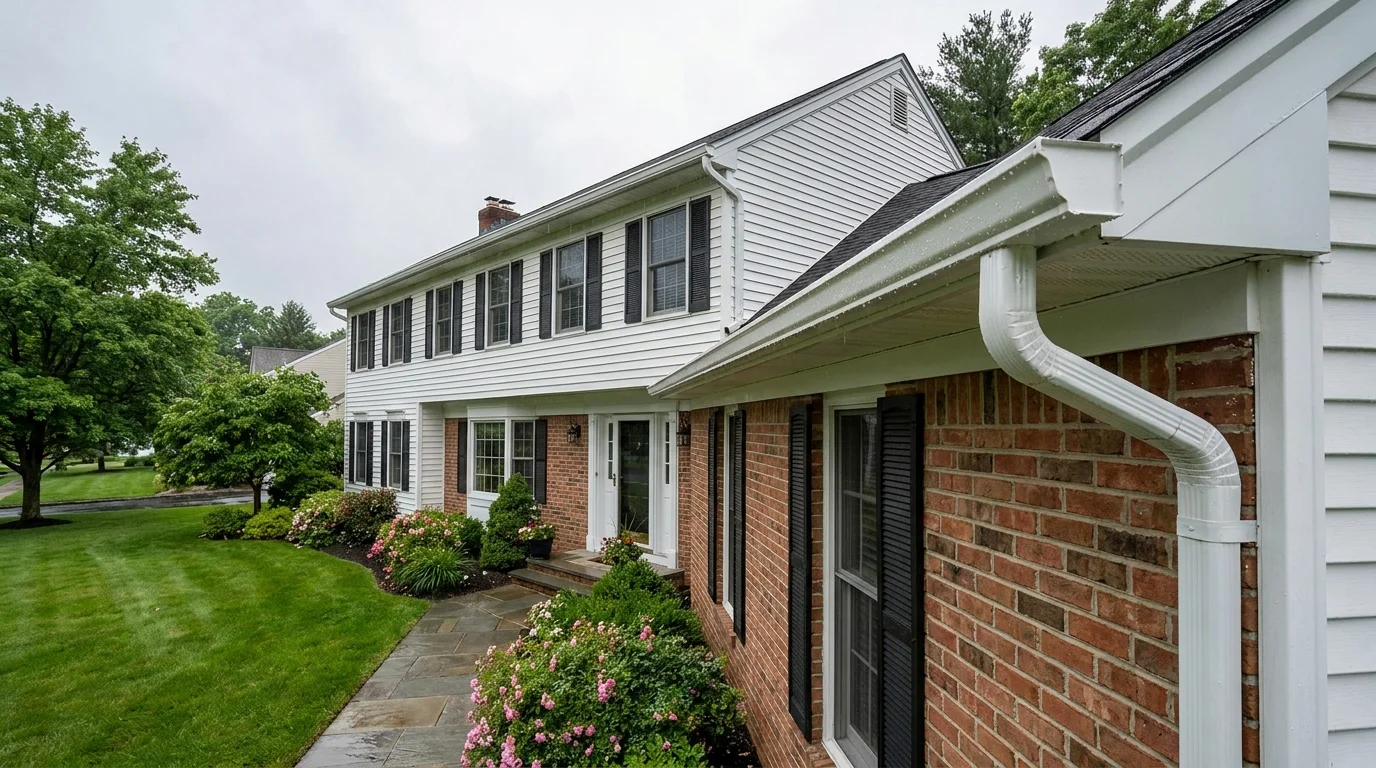
Gutters rarely get attention until something goes wrong. But they protect your roof edge, siding, foundation, and landscaping by carrying thousands of gallons of rainwater away from your home every year. When they fail, the damage shows up as rotted fascia, stained siding, eroded flower beds, and wet basements.
This guide compares the most common gutter materials used on New Jersey homes in 2026, along with styles, gutter guards, and what installation really costs.
In This Guide
Key Takeaways
- Aluminum is the best all-around pick for most New Jersey homes, balancing cost, durability, and rust resistance.
- Vinyl is cheapest but can crack in cold winters, while copper and zinc cost the most and can last 50–100 years.
- Seamless gutters leak less than sectional ones, since fewer joints means fewer places for water to escape.
- Proper slope and downspout placement matter as much as the material: water has to be carried well away from your foundation.
Why Gutters Matter in NJ
New Jersey gets heavy rain, nor’easters, and freezing winters, and a typical roof sheds a surprising amount of water in a single storm. Without working gutters, that water pours down siding, splashes up stains, pools beside the foundation, and can seep into basements.
Good gutters also help prevent ice dam damage and protect landscaping. If you’re already dealing with a damp basement, see our guides on waterproofing your basement and walkout basement drainage solutions.
Gutter Materials Compared
Here’s how the five most common residential gutter materials stack up.
Aluminum
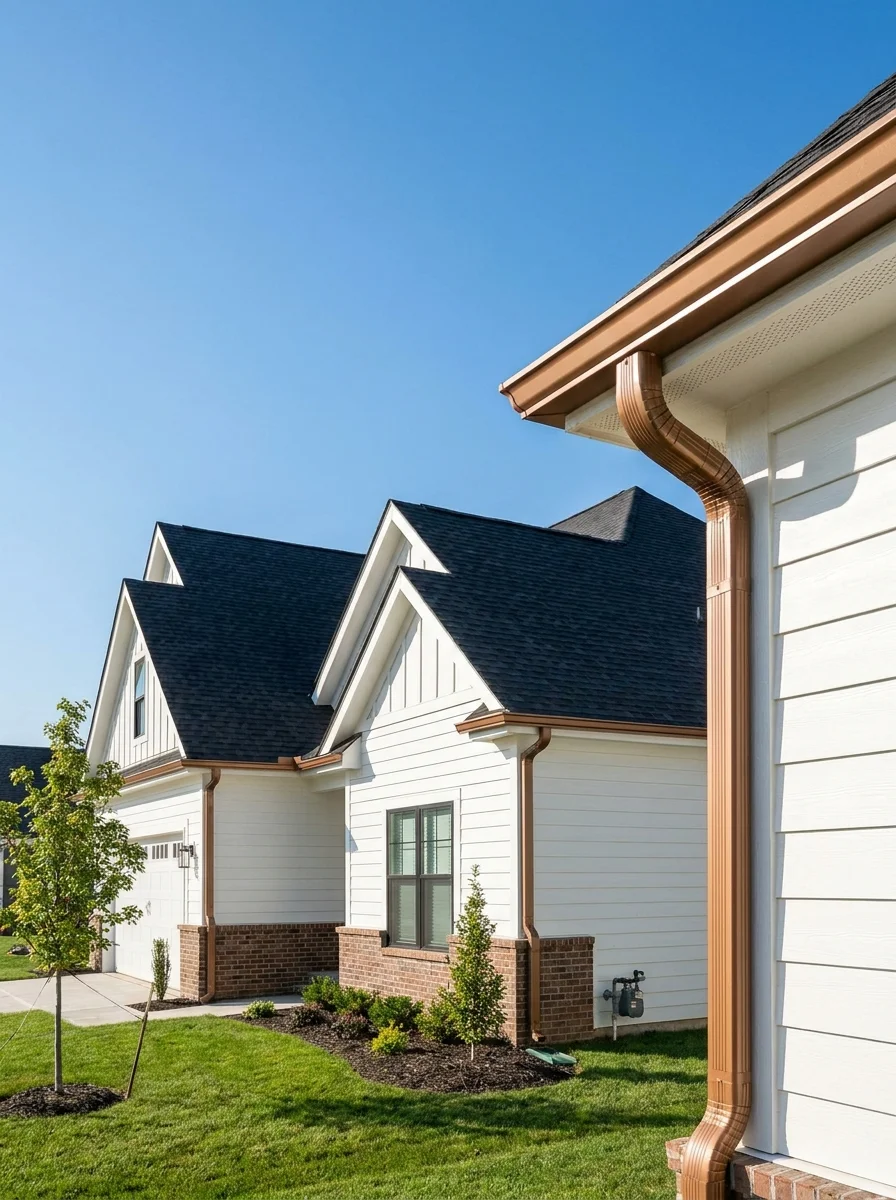
The go-to choice for most homes. Aluminum is lightweight, won’t rust, and comes in many baked-on colors. It’s usually formed on site as seamless gutters, which means fewer joints to leak. It can dent under heavy impact, but it offers the best balance of cost and performance.
Vinyl
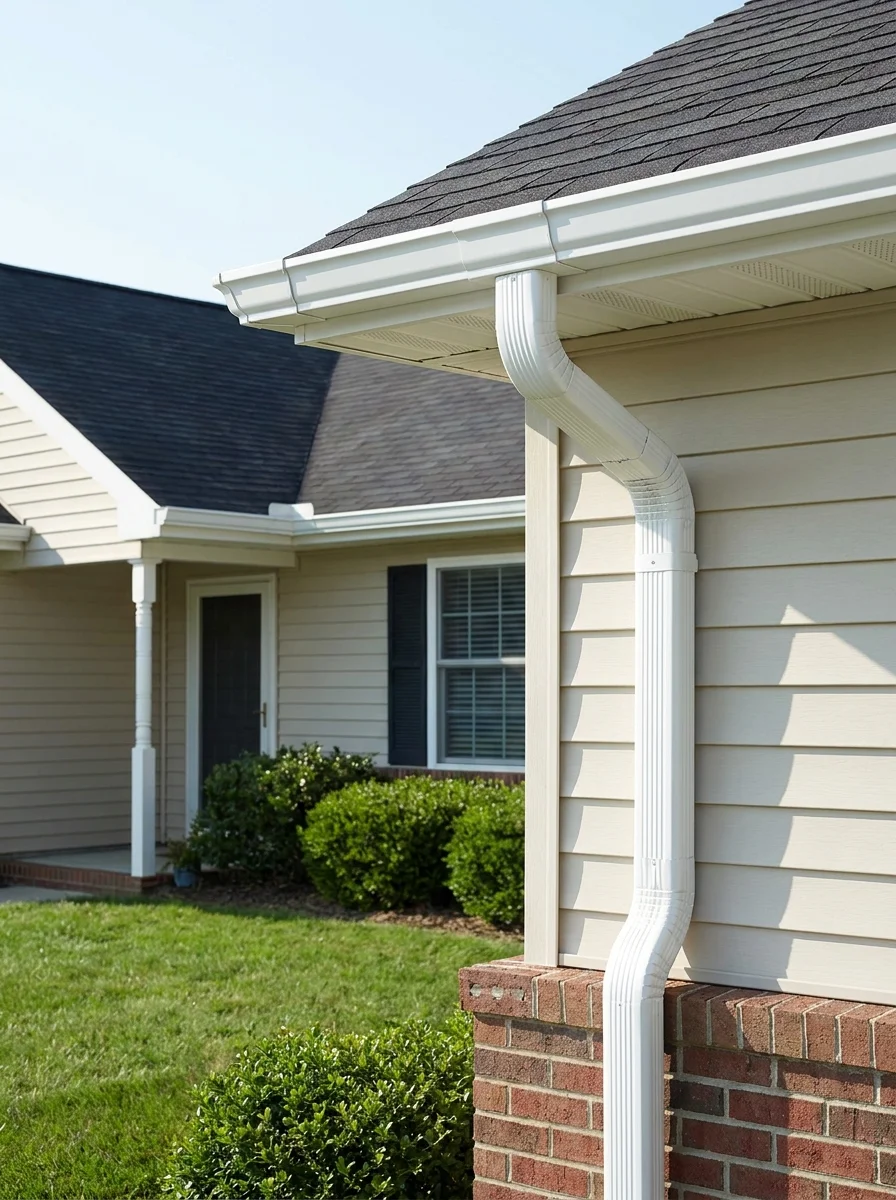
The cheapest option, and it never rusts or corrodes. Vinyl snaps together in sections, which keeps costs low but adds seams. In New Jersey’s cold winters it can turn brittle and crack, and it may fade over time, so it suits mild-use areas and tight budgets.
Galvanized Steel
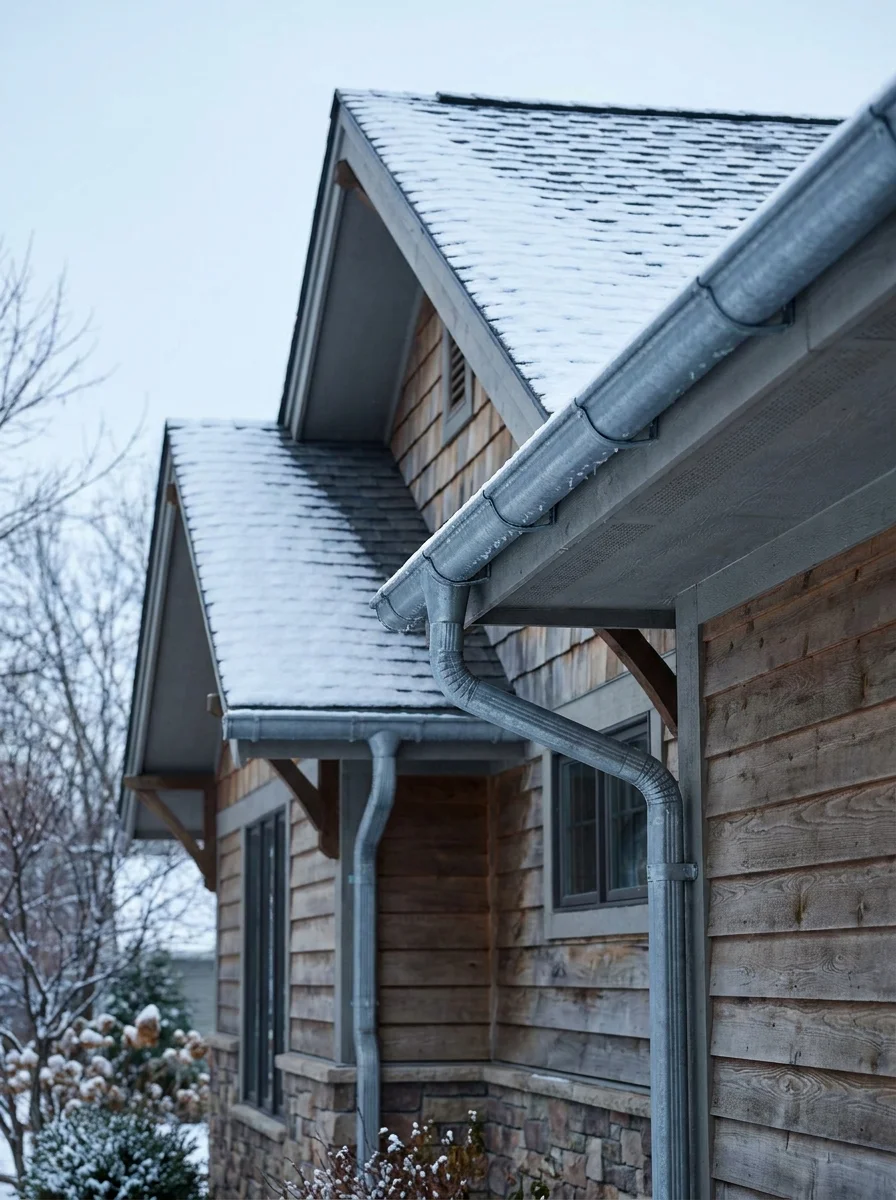
Strong and rigid, steel stands up to heavy snow, ice, and falling branches better than aluminum or vinyl. Galvanized or coated finishes resist rust, but scratches can expose bare metal, so it needs more care than aluminum over the long run.
Copper
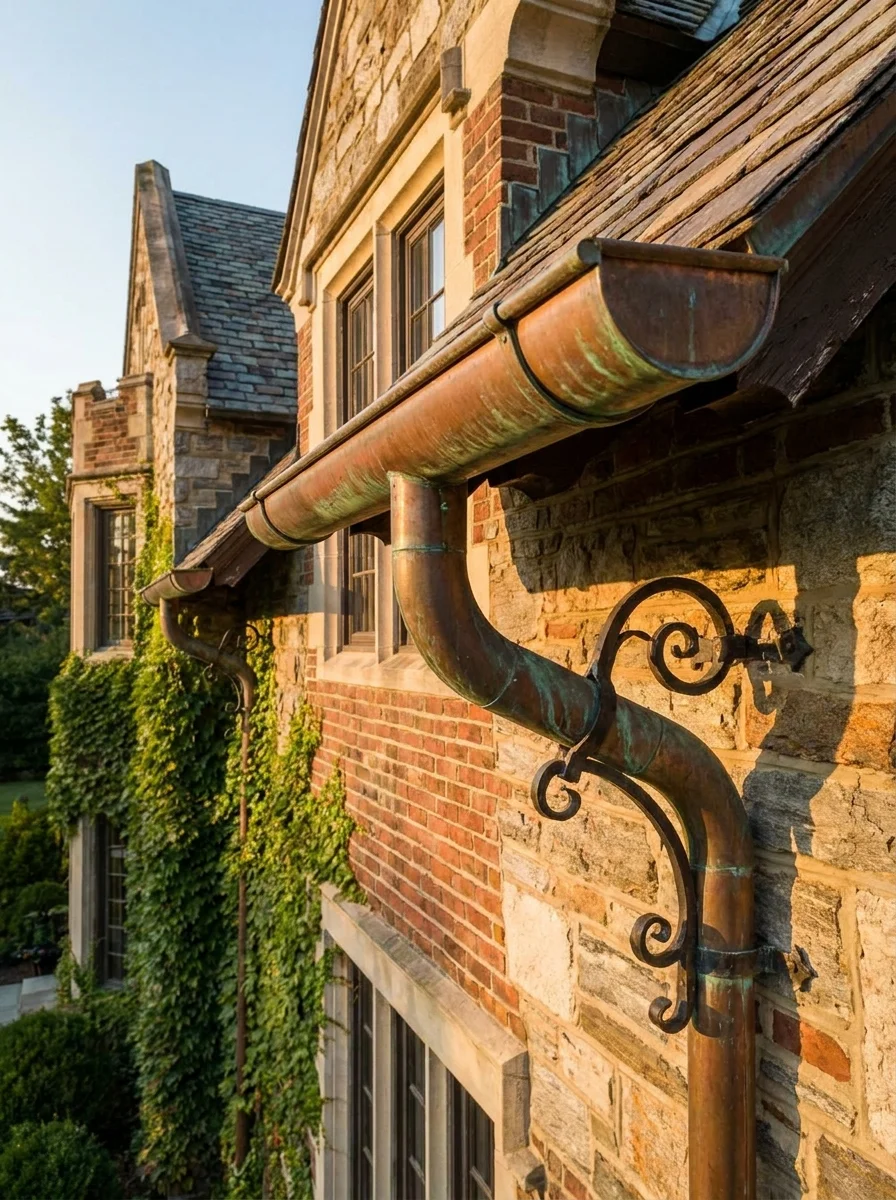
The luxury choice. Copper is beautiful, develops a green patina over time, and can last a century or more. It’s usually installed as half-round on historic or high-end homes and carries the highest price of any gutter material, and it needs experienced installers.
Zinc
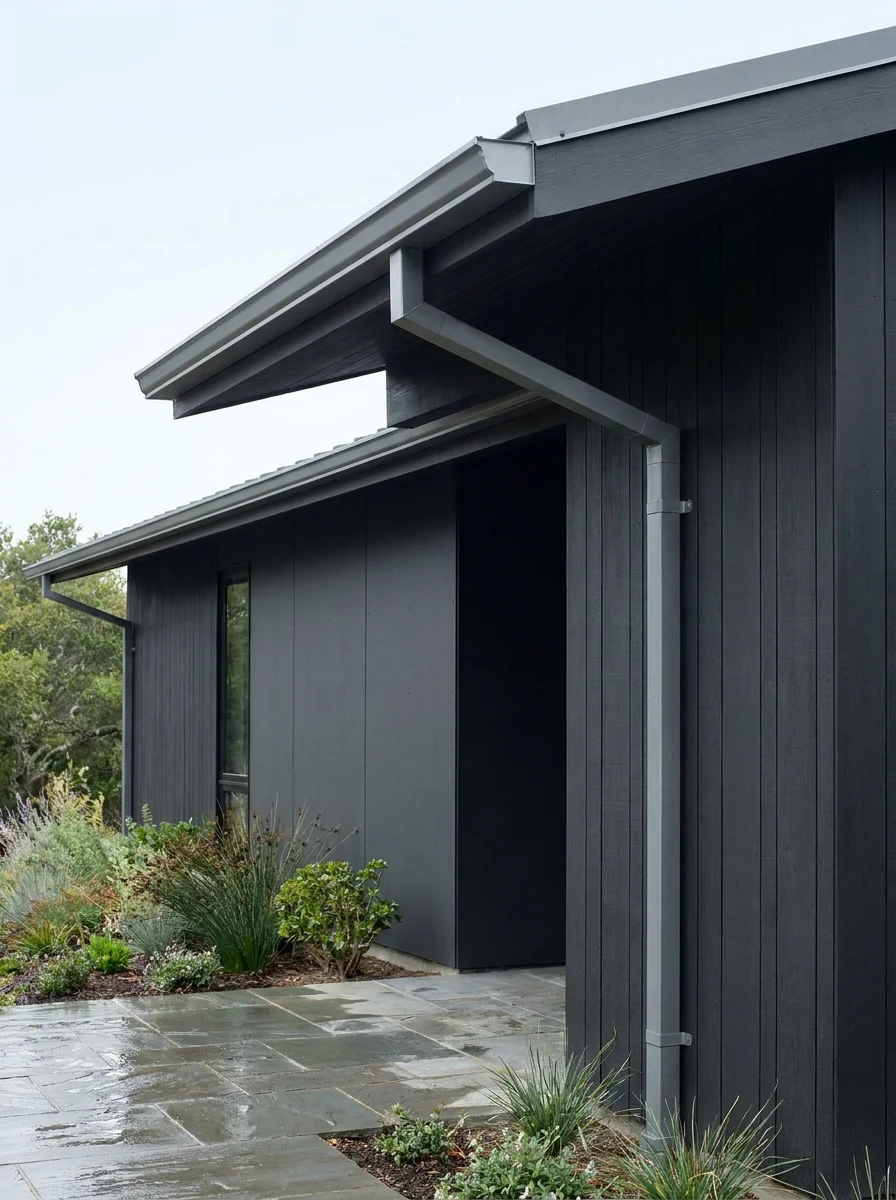
A premium metal that forms a protective patina and can heal minor scratches on its own. Zinc lasts decades with almost no maintenance and offers a refined, modern look, typically at a cost near copper.
Note: Prices vary by source and region, and all figures shown are installed ranges. Gutters are often replaced alongside a new roof or siding, so it’s worth pricing them together. See our roofing materials guide and siding guide if you’re planning either.
Not sure which gutters fit your home and budget?Get a free, no-obligation consultation and quote.
Get My Free QuoteCost & Lifespan Comparison
Here’s a side-by-side look at what a typical 150-linear-foot gutter system costs by material.
| Material | Cost per Linear Ft. | 150 Ft. System Cost | Lifespan |
|---|---|---|---|
| Vinyl | $5 – $12 | $750 – $1,800 | 10 – 20 years |
| Aluminum | $8 – $20 | $1,200 – $3,000 | 20 – 30 years |
| Galvanized Steel | $8 – $25 | $1,200 – $3,750 | 20 – 30 years |
| Copper | $15 – $40+ | $2,250 – $6,000+ | 50 – 100 years |
| Zinc | $15 – $45 | $2,250 – $6,750 | 50 – 80+ years |
Note: Most homes need roughly 150–180 linear feet of gutter, and typical whole-home projects run about $1,200 to $5,000 depending on material, house size, and roof height. Downspouts, removal of old gutters, and repairs to damaged fascia are additional.
Gutter Styles, Seamless & Guards
- K-style. The most common profile, with a flat back and decorative front that resembles crown molding. It holds more water than half-round of the same width and is usually the most affordable.
- Half-round. A rounded, classic profile often paired with copper or zinc on historic and high-end homes. It sheds debris well and looks elegant but is less common and costs more.
- Seamless vs. sectional. Seamless gutters are formed from one continuous piece on site, so they have fewer joints and fewer leaks. Sectional gutters come in short pieces joined together, which is cheaper but leaks more over time.
- Gutter guards. Screens, mesh, or covers that keep leaves and debris out. They cut down on cleaning, especially on tree-lined New Jersey lots, but can add a meaningful amount to the cost per foot, so it helps to price them with the gutters up front.
How to Choose the Right Gutters
A few questions can quickly narrow the decision:
- What’s your budget? Aluminum gives the best long-term value. Vinyl saves money upfront but may need replacing sooner. Copper and zinc are long-term investments.
- How much snow and ice do you get? Heavy snow loads favor steel or thicker-gauge aluminum over vinyl.
- How many trees surround your home? Lots of leaves and debris make gutter guards well worth considering.
- What’s the style of your home? Historic and high-end homes often pair well with half-round copper or zinc, while most modern homes suit seamless K-style aluminum.
- Is a new roof coming? It’s the ideal time to upgrade gutters. Our roof replacement cost guide covers what to expect.
Frequently Asked Questions
What’s the best gutter material for New Jersey?
Seamless aluminum is the best fit for most New Jersey homes. It resists rust, handles our weather well, comes in many colors, and offers the best balance of price and lifespan. Steel suits heavy-snow or tree-heavy lots, and copper or zinc suit premium projects.
How much does gutter installation cost in New Jersey?
Most whole-home gutter projects run from about $1,200 to $5,000 depending on material, home size, and roof height. Aluminum typically falls in the middle of that range, with vinyl lower and copper or zinc higher.
How long do gutters last?
It depends on the material: vinyl lasts roughly 10 to 20 years, aluminum and steel about 20 to 30 years, and copper and zinc can last 50 years or more with minimal upkeep.
Are gutter guards worth it?
They can be, especially if you have many trees. Guards reduce how often you need to clean gutters and help prevent clogs. They add cost and still need occasional maintenance, so they’re best priced together with the gutters themselves.
How long does gutter installation take?
Most homes take one to two days. A simple single-story home can be done in a few hours, while larger or more complex homes can take up to three days.
Ready to Upgrade Your Gutters?
From material selection to proper slope and downspout placement, our team handles every step of your gutter project, with a clear, upfront quote before any work begins.
Fill out the form and get a custom gutter estimate for your home today.