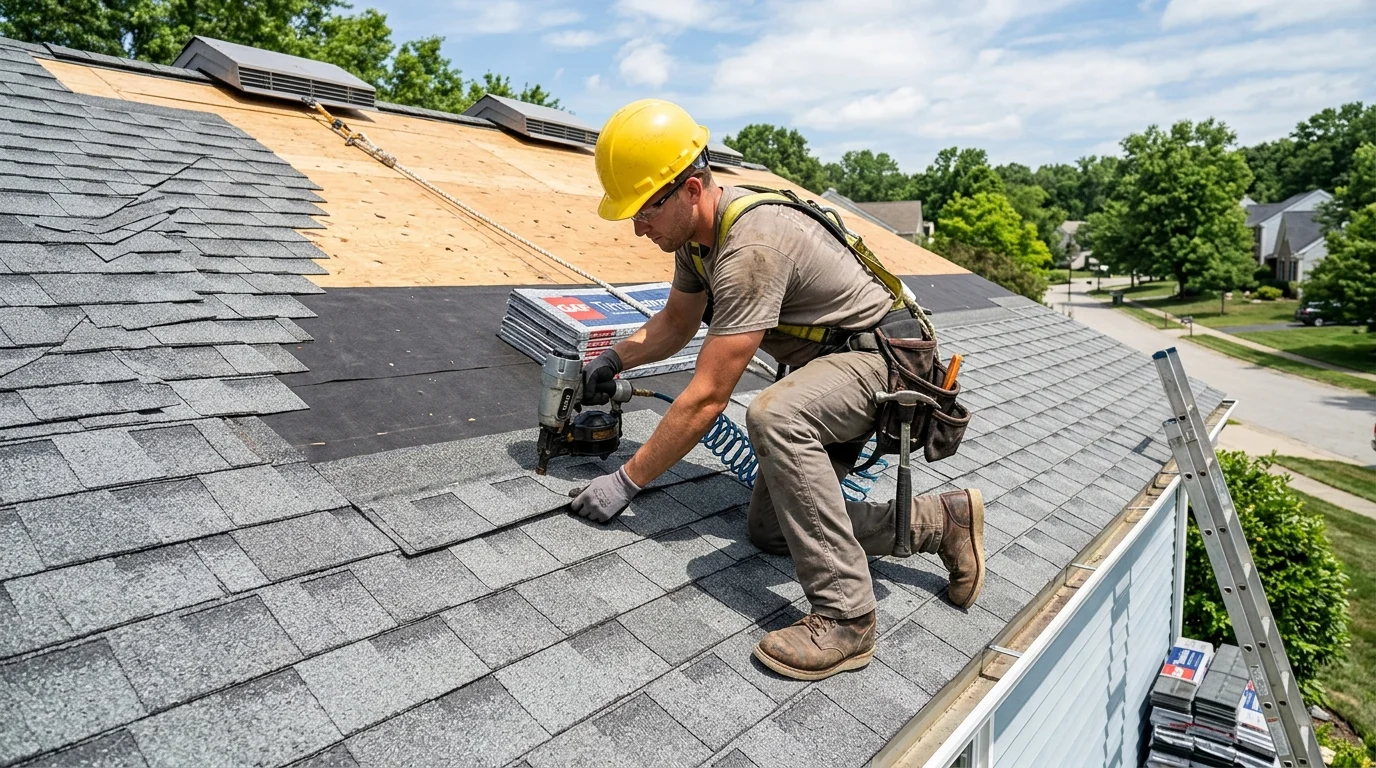
Your roof does the least glamorous, most important job on your house — and New Jersey doesn’t make it easy. Hot, humid summers, ice and snow in winter, and coastal wind exposure along the Shore all take a toll, which is exactly why choosing the right material matters as much as choosing a good installer.
Asphalt shingles cover the vast majority of New Jersey roofs for good reason, but they’re far from the only option. This guide breaks down every major roofing material used on NJ homes today — real 2026 installed costs, lifespan, and where each one makes the most sense.
In This Guide
Key Takeaways
- Architectural (dimensional) asphalt shingles are the standard choice for most NJ homes — good value at 20–30 years of life.
- Metal roofing costs more upfront but can last 30–80 years and handles snow and wind exceptionally well.
- Slate is the longest-lasting material available — some NJ slate roofs are over a century old — but it’s also the most expensive.
- Flat and low-slope roofs (additions, some ranch homes) need a membrane system, not shingles.
- Most full roof replacements take 1–3 days, weather permitting.
Why Roofing Material Matters in NJ’s Climate
New Jersey roofs deal with real seasonal extremes: summer heat and UV exposure that degrade cheap materials faster, winter snow loads and ice dams, and — especially near the coast — high wind and wind-driven rain. A roof that isn’t rated for the right wind and snow load, or that traps moisture under ice dams, fails faster and can cause costly interior damage long before the shingles visibly wear out.
The right material, installed with proper underlayment, flashing, and ventilation, is what actually determines whether your roof hits its full rated lifespan — or needs emergency repairs a decade early.
Roofing Materials Compared
Here’s how the most common roofing materials used on New Jersey homes stack up.
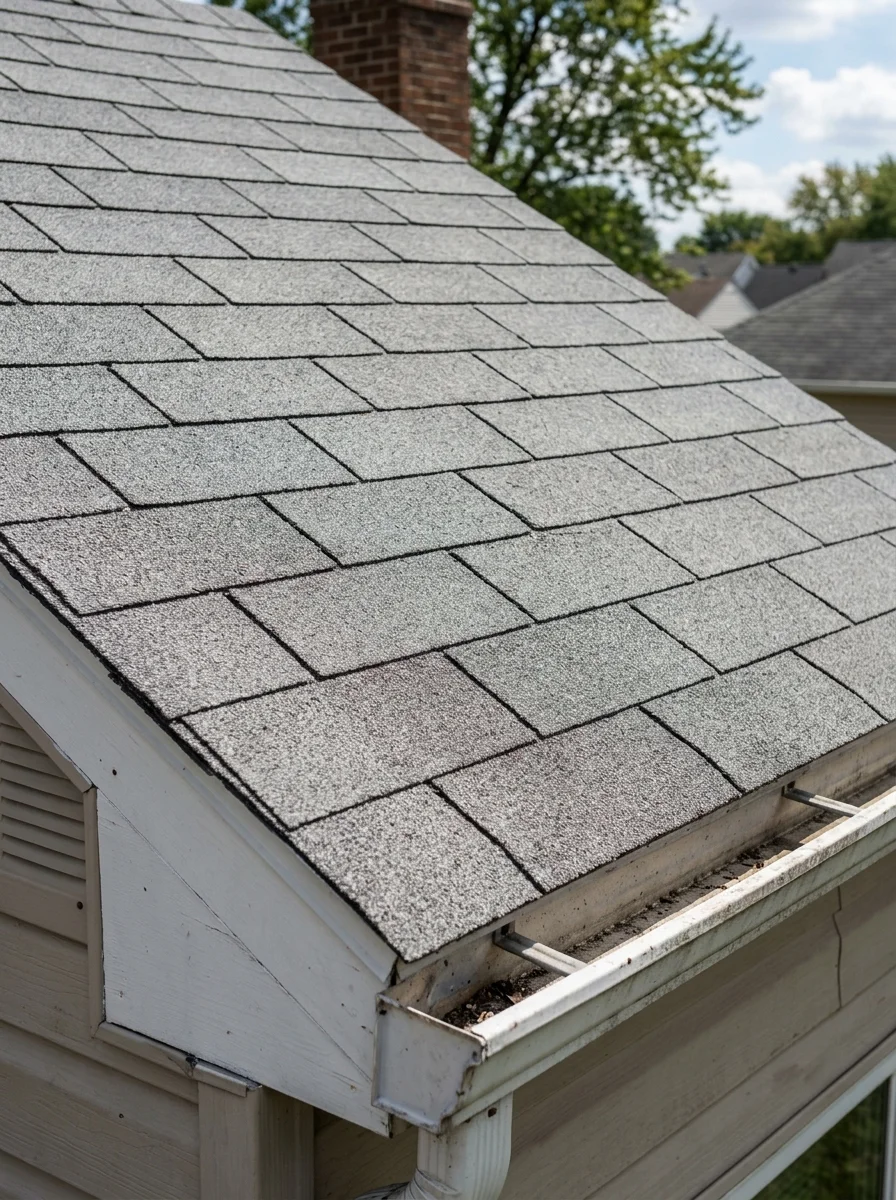
3-Tab Asphalt Shingles
The traditional flat-profile asphalt shingle. It’s the most budget-friendly roofing material available and still a reasonable option for rental properties or homes on a tight budget, but it has the shortest lifespan of the common shingle types and less wind resistance than architectural shingles.
Architectural (Dimensional) Shingles
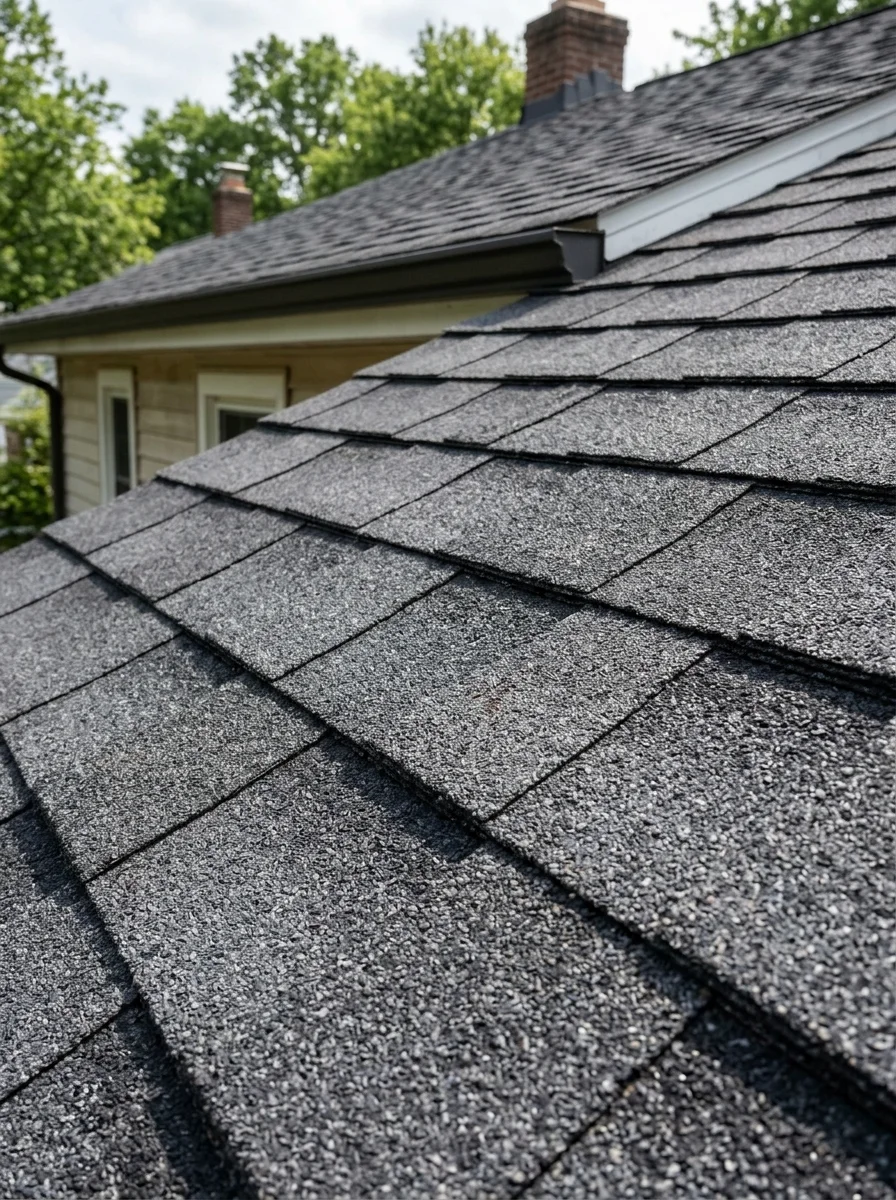
A thicker, layered asphalt shingle with a dimensional, shadow-line look. This is by far the most common roofing material on New Jersey homes today — it offers noticeably better wind resistance and longevity than 3-tab shingles for a moderate price increase, with a wide range of colors and styles available.
Metal Roofing (Standing Seam)
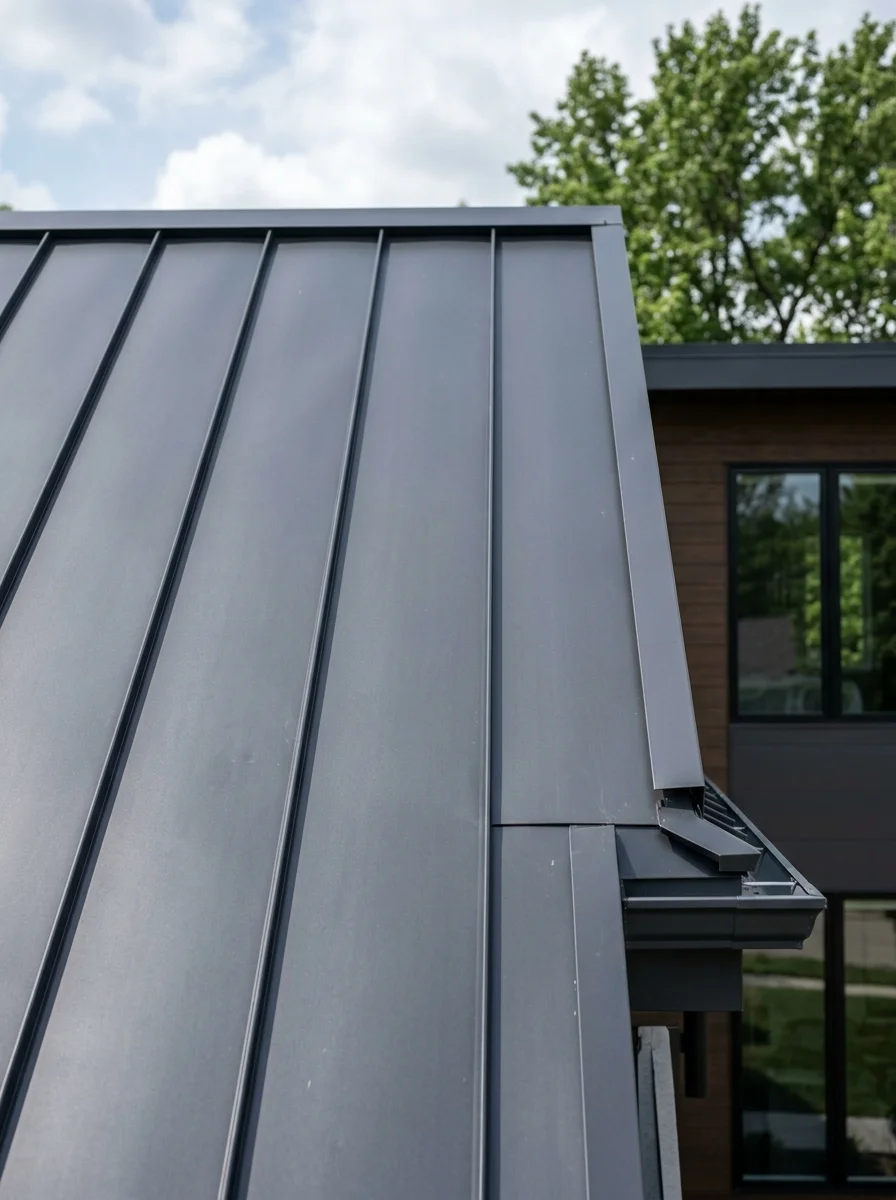
Interlocking metal panels with raised seams, installed as one continuous system rather than individual pieces. Metal roofing sheds snow easily, holds up extremely well in high wind, reflects summer heat, and is increasingly popular on modern New Jersey homes and additions — at a higher upfront cost than shingles.
Slate Roofing
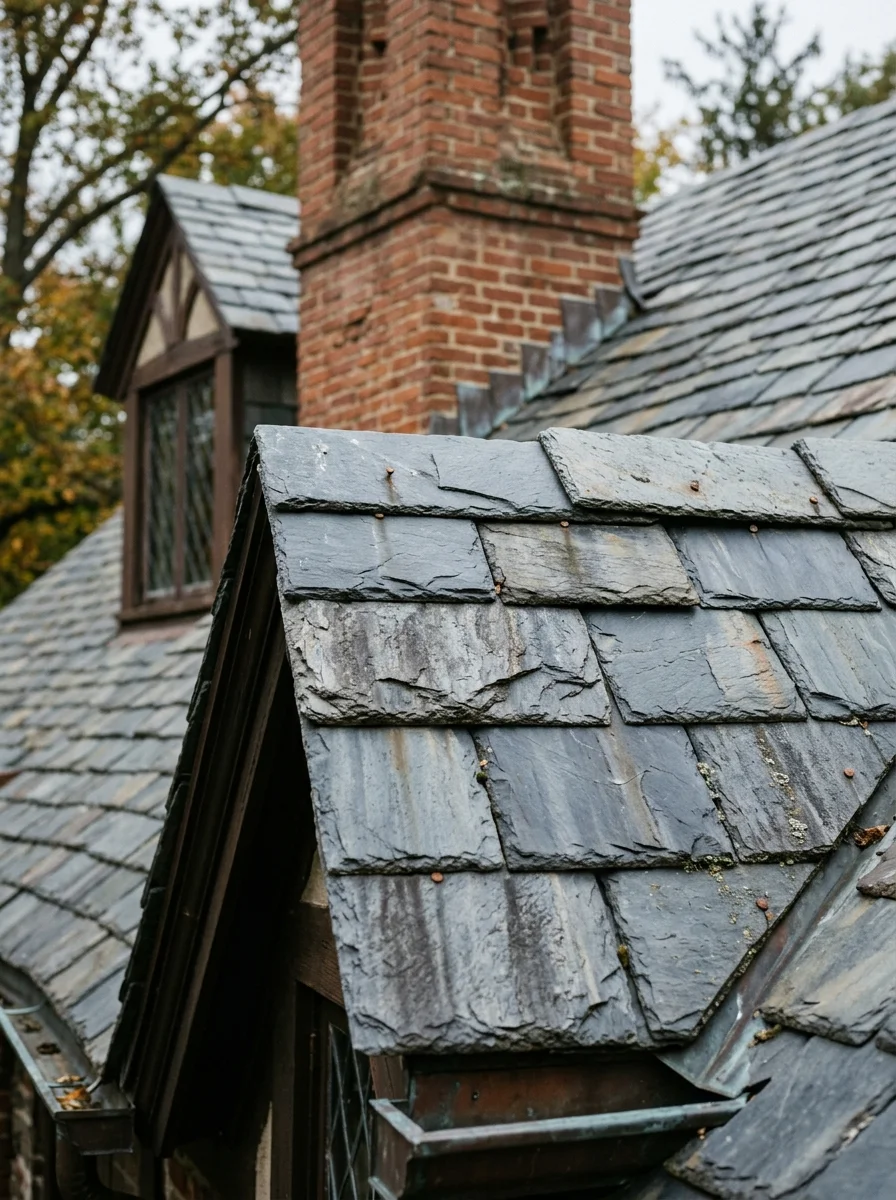
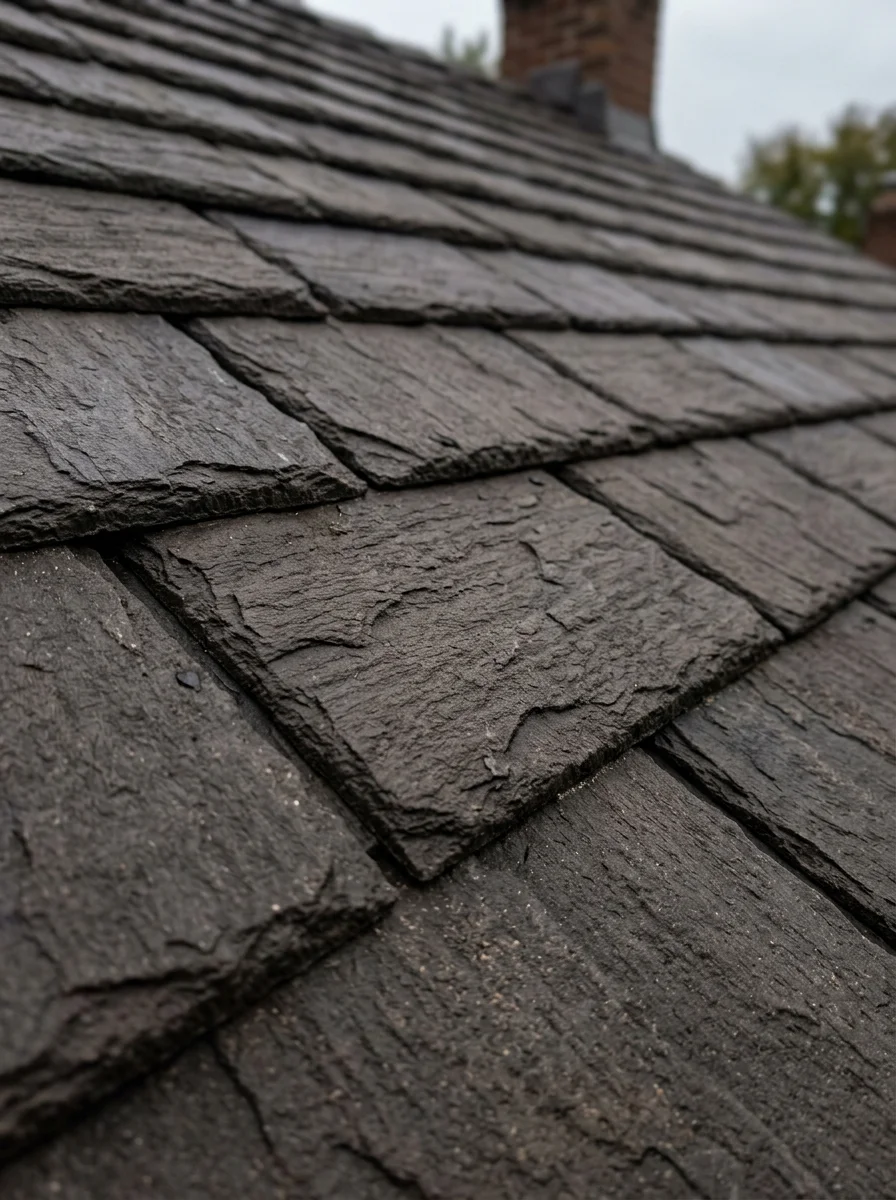
Natural quarried stone tiles, split and installed by hand. Slate is the most durable common roofing material — genuinely capable of outliving the home it’s installed on — and it’s a common sight on older, historic New Jersey homes. It’s heavy, so the roof structure needs to be checked for load capacity before installing it, and it requires specialized installers.
Cedar Shake & Wood Shingles
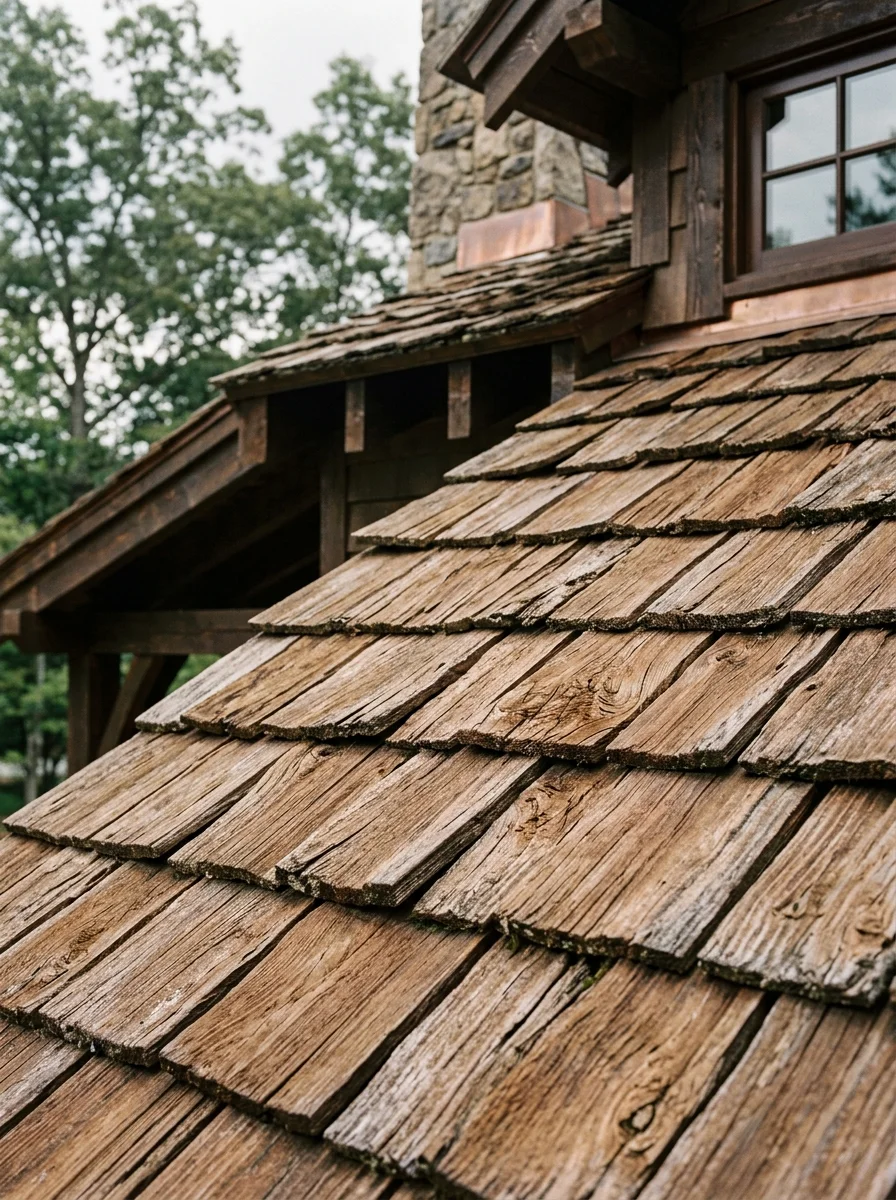
Split or sawn cedar shingles that give a rustic, natural roofline popular on craftsman and cape-style New Jersey homes. Cedar naturally resists insects and has good insulating properties, but it needs periodic treatment and inspection to prevent moss, rot, and moisture damage in a humid climate — and some townships restrict it for fire-code reasons.
Synthetic & Composite Roofing
Engineered polymer or rubber-composite shingles molded to mimic the look of slate or cedar shake, without the weight, cost, or maintenance of the real thing. It’s a growing option for homeowners who want a premium roofline on a mid-range budget, backed by strong impact and weather resistance.
Flat & Low-Slope Membrane (TPO/EPDM)
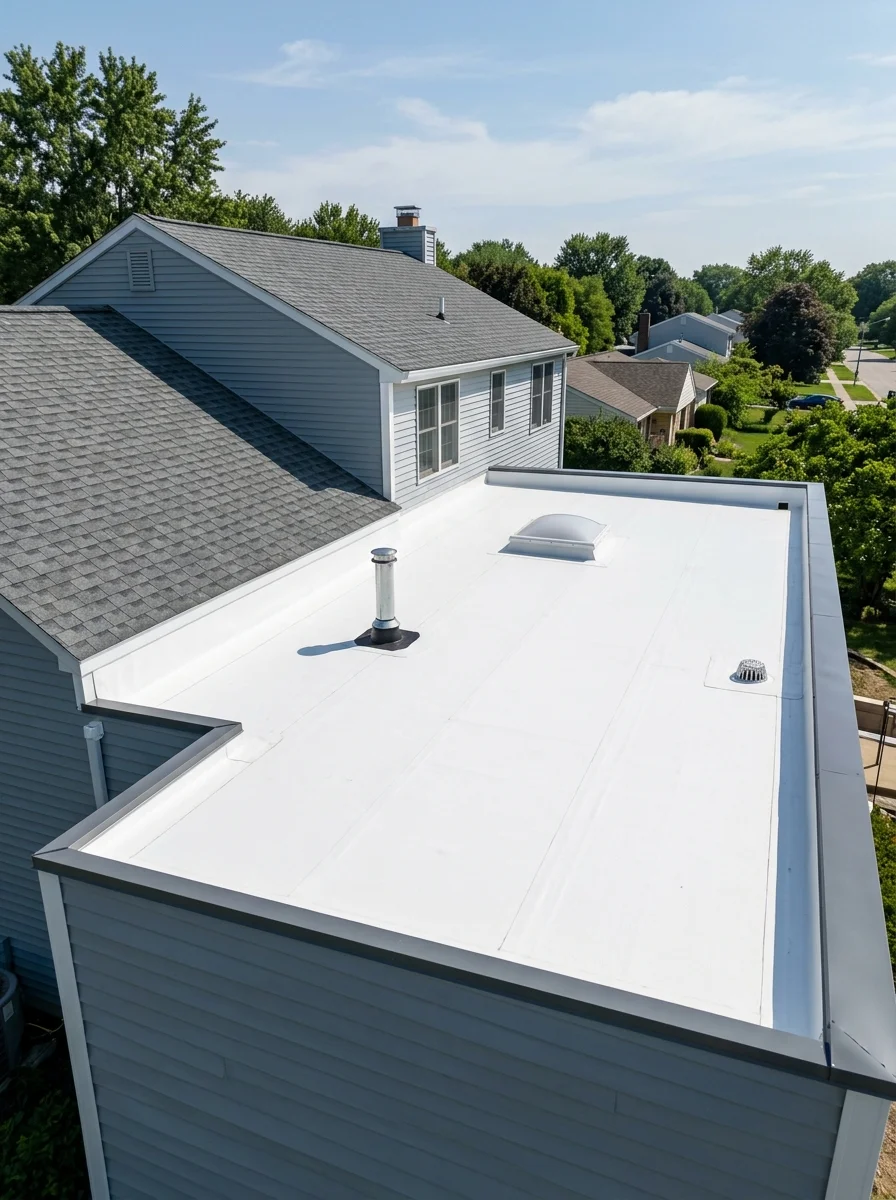
Shingles aren’t an option on a flat or low-slope roof — these need a continuous waterproof membrane instead, most commonly TPO (a single-ply white membrane) or EPDM (rubber roofing). These systems are the standard for home additions, porch roofs, and modern flat-roof designs, and quality varies significantly by installer and material grade.
Note: Most New Jersey homes use one primary material for the main roof and a matching flat membrane on any additions or porch roofs. Our team can help you match materials across your whole roofline — see our roof replacement cost guide for a deeper cost breakdown once you’ve picked a material.
Not sure which roofing material fits your home?Get a free, no-obligation roof consultation.
Get My Free QuoteCost & Lifespan Comparison
Here’s a side-by-side look to help you budget for a typical 2,000 sq. ft. roof (roughly 20–22 roofing squares) on a New Jersey home.
| Material | Cost per Sq. Ft. | Full Roof Cost (2,000 sq. ft.) | Lifespan |
|---|---|---|---|
| 3-Tab Asphalt | $2 – $4 | $4,000 – $8,000 | 15 – 20 years |
| Architectural Asphalt | $2.50 – $4.50 | $5,000 – $9,000 | 20 – 30 years |
| Flat/Low-Slope Membrane | $4 – $9 | $8,000 – $18,000 | 15 – 30 years |
| Metal (Standing Seam) | $5 – $12 | $10,000 – $24,000 | 30 – 80 years |
| Cedar Shake / Synthetic | $6 – $11 | $12,000 – $22,000 | 20 – 30 years |
| Slate | $10 – $20 | $20,000 – $40,000 | 50 – 200 years |
Note: These are general planning ranges — your final number depends on roof pitch, number of layers being removed, decking condition, and current material pricing. For a number based on your actual roof, see our full roof replacement cost guide.
How to Choose the Right Roofing Material
A few questions can quickly narrow the decision:
- How long do you plan to stay in the home? Architectural asphalt offers the best value for a 15–20 year horizon. Metal or slate make more sense if you’re planning to stay for decades and want to avoid replacing the roof again.
- What’s your roof pitch? Steep, traditional rooflines suit shingles, metal, slate, or cedar. Flat or low-slope sections (additions, porches, some ranch homes) need a membrane system instead — shingles simply won’t shed water properly below a certain pitch.
- What’s your budget for the whole job, not just materials? Premium materials like slate and metal often need reinforced structure or specialized installers, which affects total project cost beyond the per-square-foot material price.
- Are you also updating siding or windows? A full exterior renovation is the most efficient time to coordinate rooflines and colors with new siding or windows.
- Does your township or HOA restrict materials? Some historic districts require specific roofing materials (like slate or wood shake) or restrict others — check before you commit to a look.
Frequently Asked Questions
What is the most common roofing material in New Jersey?
Architectural (dimensional) asphalt shingles are by far the most common choice on New Jersey homes. They offer a strong balance of cost, appearance, and a 20–30 year lifespan, with good wind resistance for the region’s storms.
Is metal roofing worth it for a New Jersey home?
For homeowners planning to stay long-term, yes. Metal roofing typically lasts 30–80 years — two to four times longer than asphalt — sheds snow well, and holds up better in high wind, which makes the higher upfront cost pay off over time.
Can I install shingles on a flat roof?
No. Asphalt shingles rely on gravity and roof pitch to shed water, and they’ll leak on a flat or low-slope section. Flat roofs need a continuous waterproof membrane system such as TPO or EPDM instead, which is standard on home additions and porch roofs.
How long does a roof replacement take?
Most standard asphalt shingle roof replacements on a single-family New Jersey home take 1–3 days, weather permitting. Slate, tile, or complex multi-pitch roofs can take longer due to the specialized labor involved.
Does my New Jersey township require a permit for a new roof?
Yes, nearly every New Jersey municipality requires a permit for a full roof replacement, along with an inspection once complete. A licensed roofing contractor should handle this as part of the job.
Ready to Choose the Right Roof for Your Home?
From material selection to a clean, watertight install, our team handles every step of your roofing project — with a clear, upfront quote before any work begins.
Fill out the form and get a custom roofing estimate for your home today.