
Not all replacement windows are created equal — and the biggest decision isn’t always the material (vinyl vs. wood vs. composite), it’s the style. A double-hung window and a casement window can cost the same and use the same materials, yet behave completely differently in a New Jersey winter, a shore-town nor’easter, or a century-old Colonial with settled framing.
This guide walks through the most common window types homeowners choose across New Jersey, what each one is actually good at, and how to pick the right style before you get quotes. If you already know your material preference and just want pricing, our Replacement Window Cost Guide breaks down vinyl vs. wood vs. composite pricing in detail.
In This Guide
The Most Common Window Types in New Jersey Homes
Every window style is a trade-off between ventilation, view, energy efficiency, and how well it fits your home’s architecture. Here’s how the most popular options stack up.
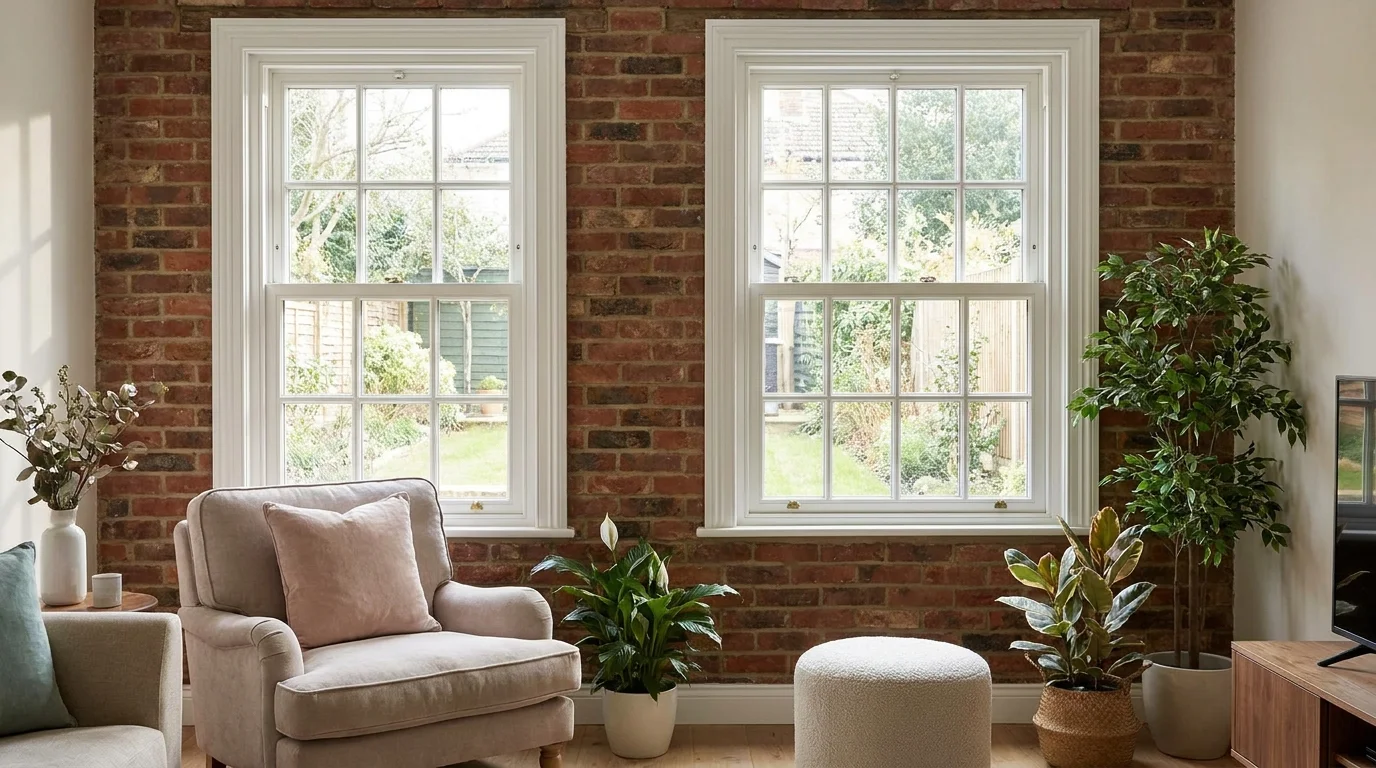
Double-Hung Windows
The window most people picture when they hear “replacement window.” Two sashes slide up and down independently, and on most modern versions, both sashes tilt inward for cleaning from inside the house.
Best for: Traditional Colonial, Cape Cod, and Victorian-style homes, which make up a large share of New Jersey’s older housing stock. Double-hung windows keep that classic look while modernizing performance.
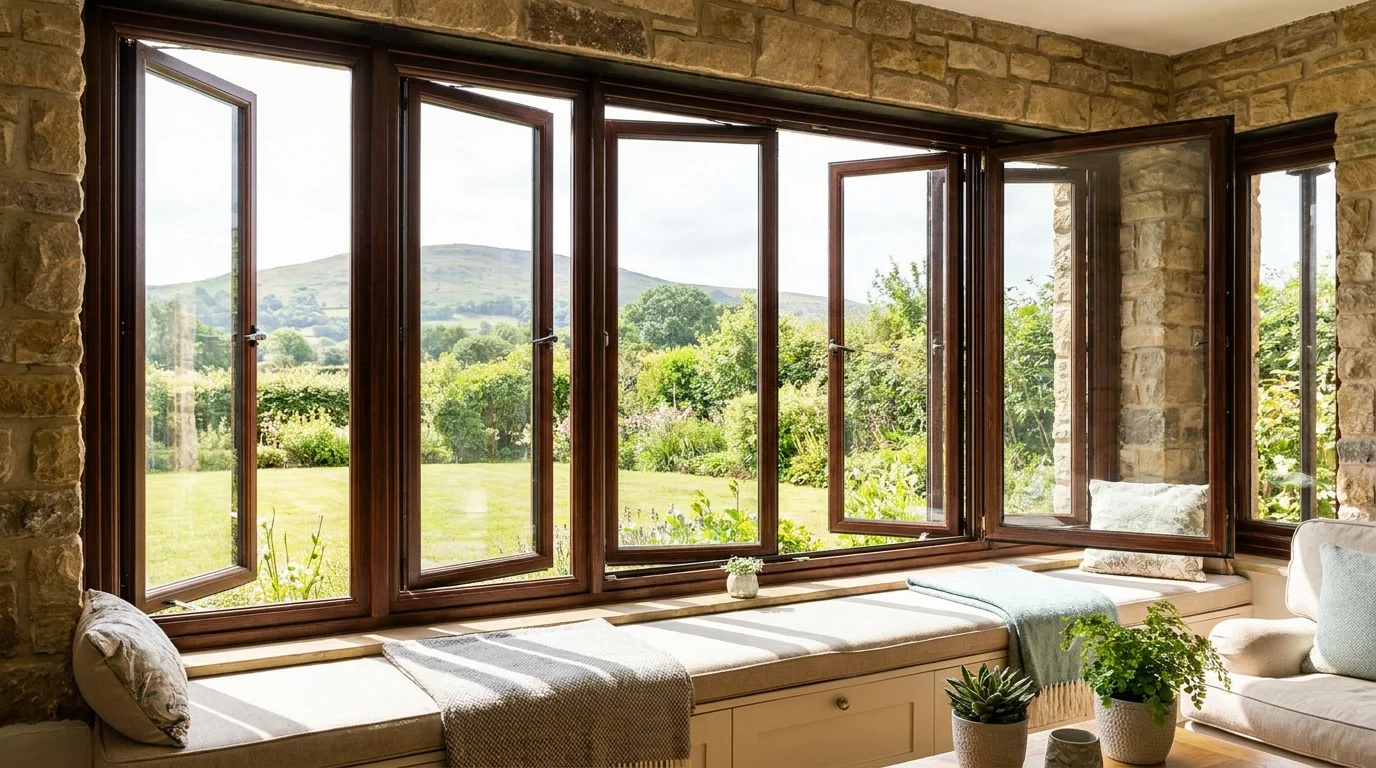
Casement Windows
Hinged on one side and cranked open outward like a door, casement windows form a very tight seal when closed, which makes them one of the most energy-efficient styles available.
Best for: Rooms where you want maximum airflow — over a kitchen sink or in a sunroom — and homeowners prioritizing energy efficiency above all else.
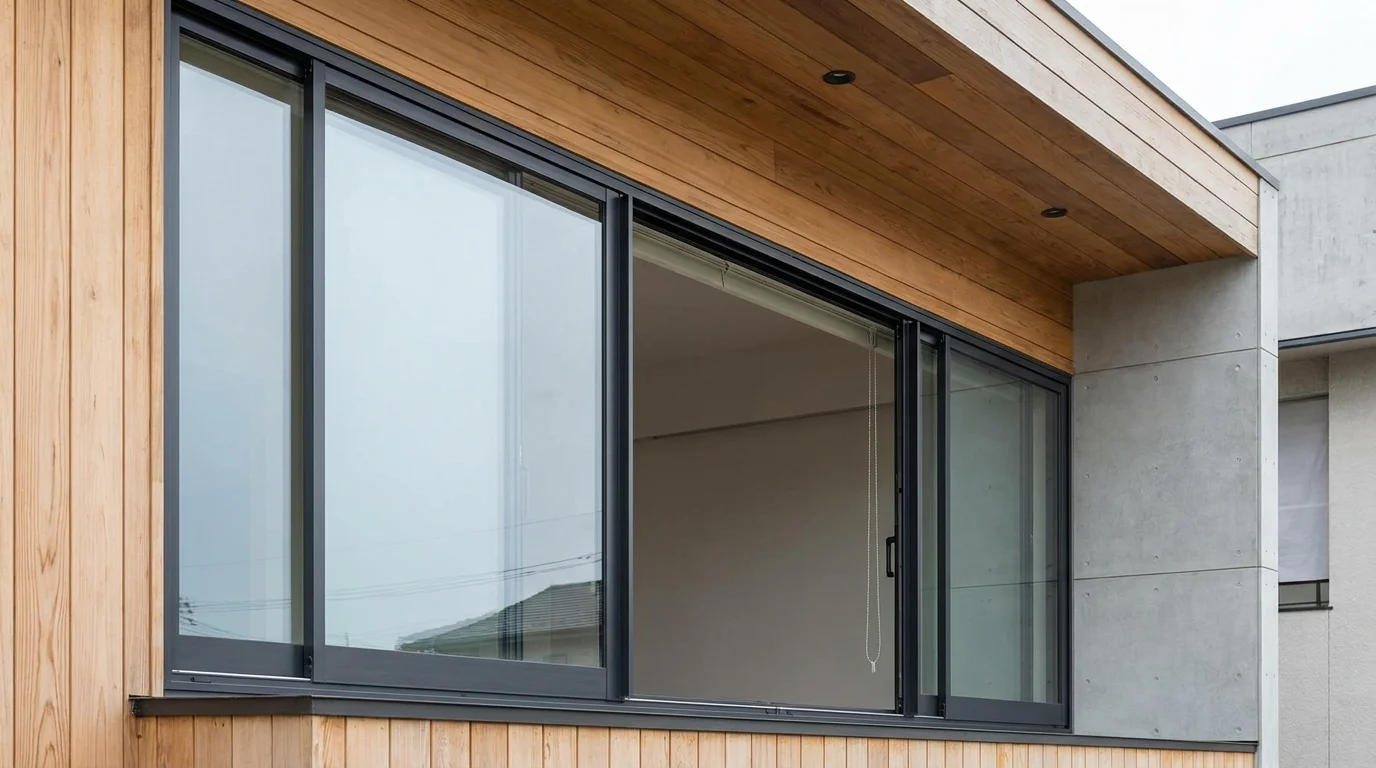
Sliding Windows
One or both sashes slide horizontally along a track. Simple mechanically, which generally makes them one of the more affordable styles and low-maintenance over time.
Best for: Wide openings where a taller window would be awkward — above a kitchen counter, in a basement, or along a hallway wall.
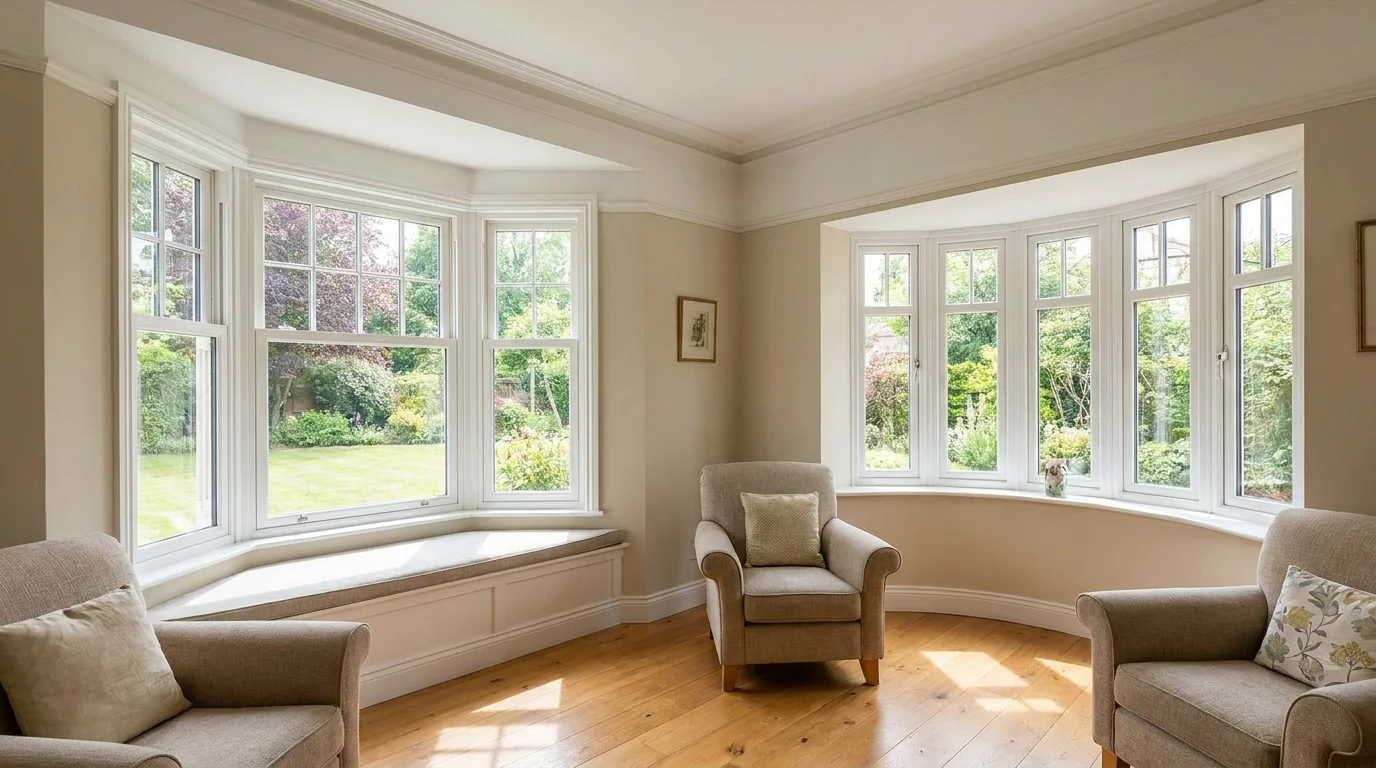
Bay & Bow Windows
These project outward from the exterior wall, made up of three or more angled panels (bay) or a gentle curve of panels (bow). Beyond the view, they physically add a few extra square feet of interior floor space — often used for a window seat or reading nook.
Best for: Living rooms and primary bedrooms where you want a focal point, or homeowners looking to add light and a sense of space without a full addition.
Awning Windows
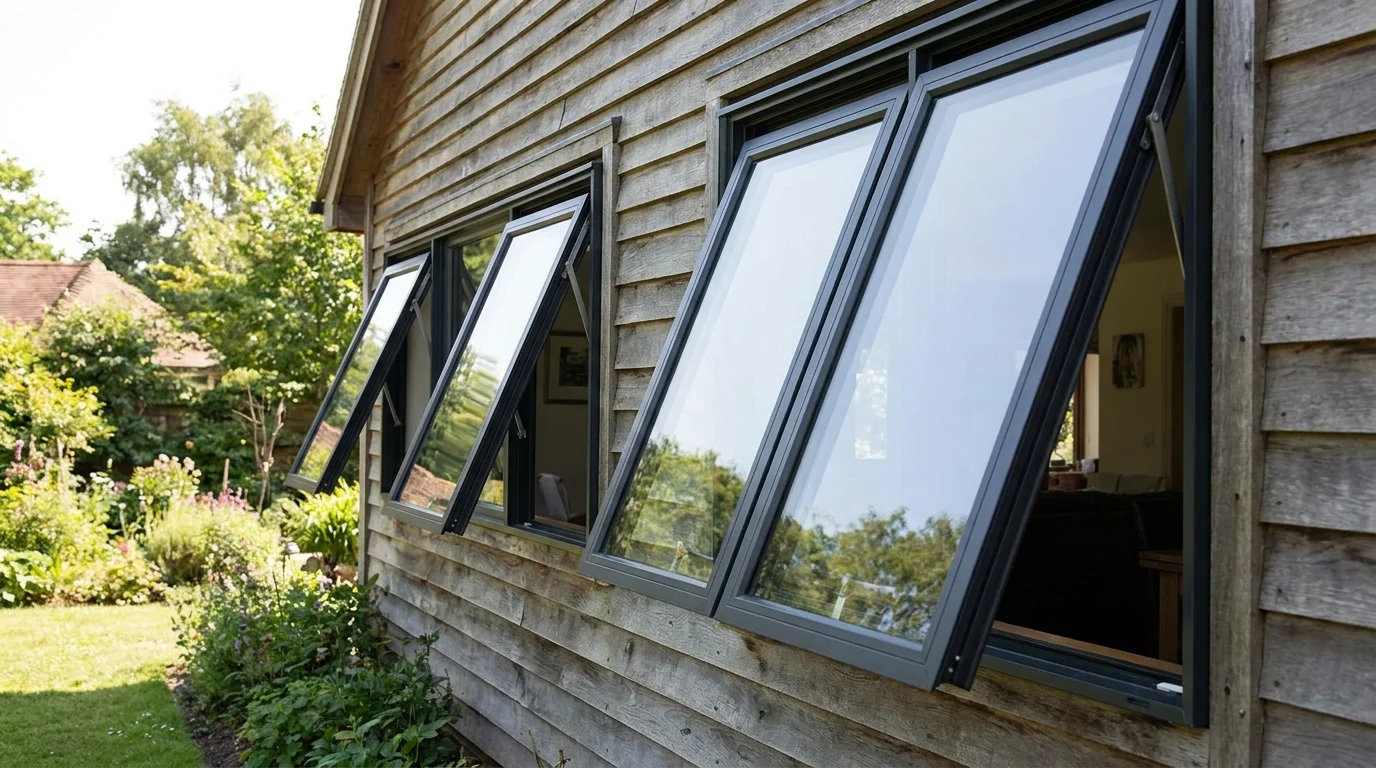
Hinged at the top and opening outward from the bottom, awning windows can stay cracked open during a light rain without letting water in — the glass acts like a small overhang.
Best for: Bathrooms, basements, and spots above a kitchen sink where you want ventilation without worrying about a sudden downpour.
Picture Windows
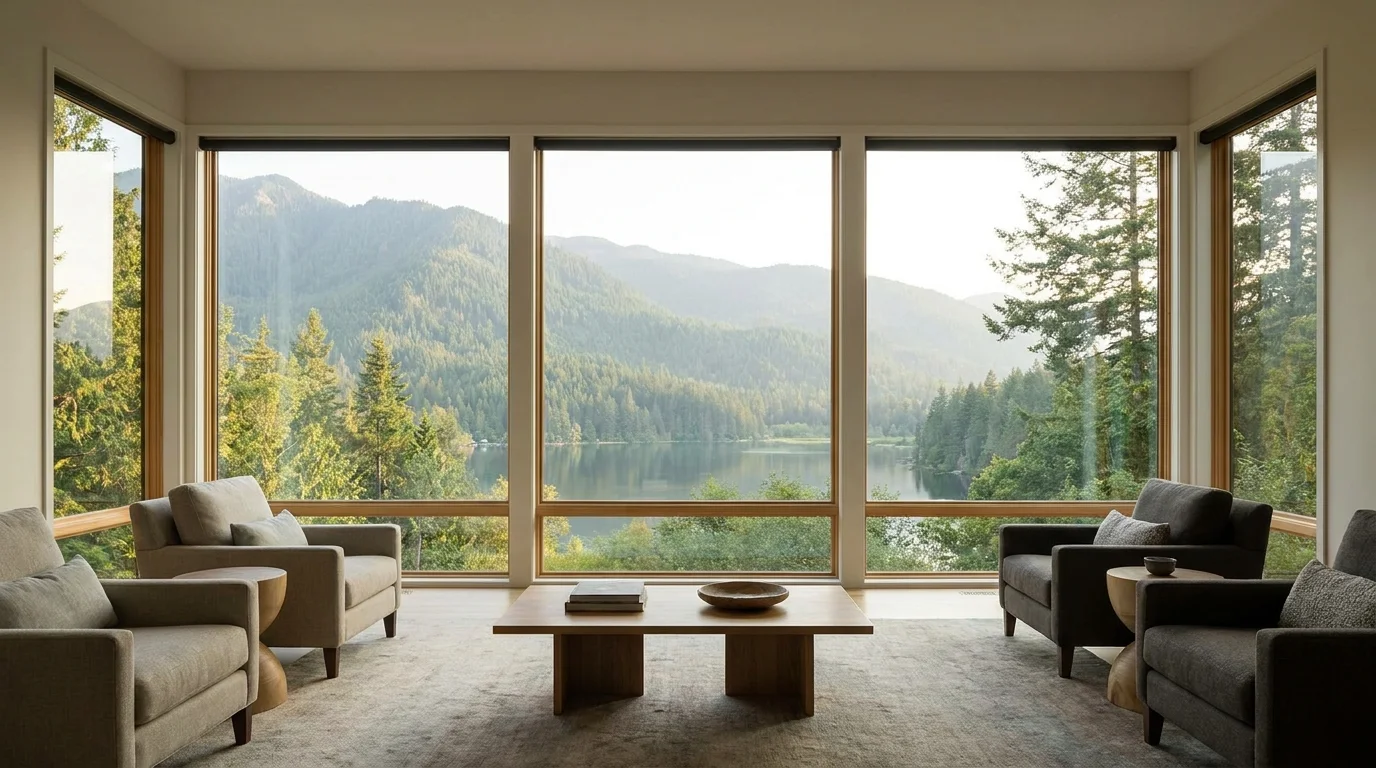
Fixed panes of glass that don’t open at all. Because there’s no operable hardware or moving seal, picture windows are typically the most energy-efficient and least expensive-per-square-foot option — but they provide zero airflow on their own.
Best for: Framing a great backyard or wooded view, often paired with an operable window on either side for ventilation.
Garden Windows
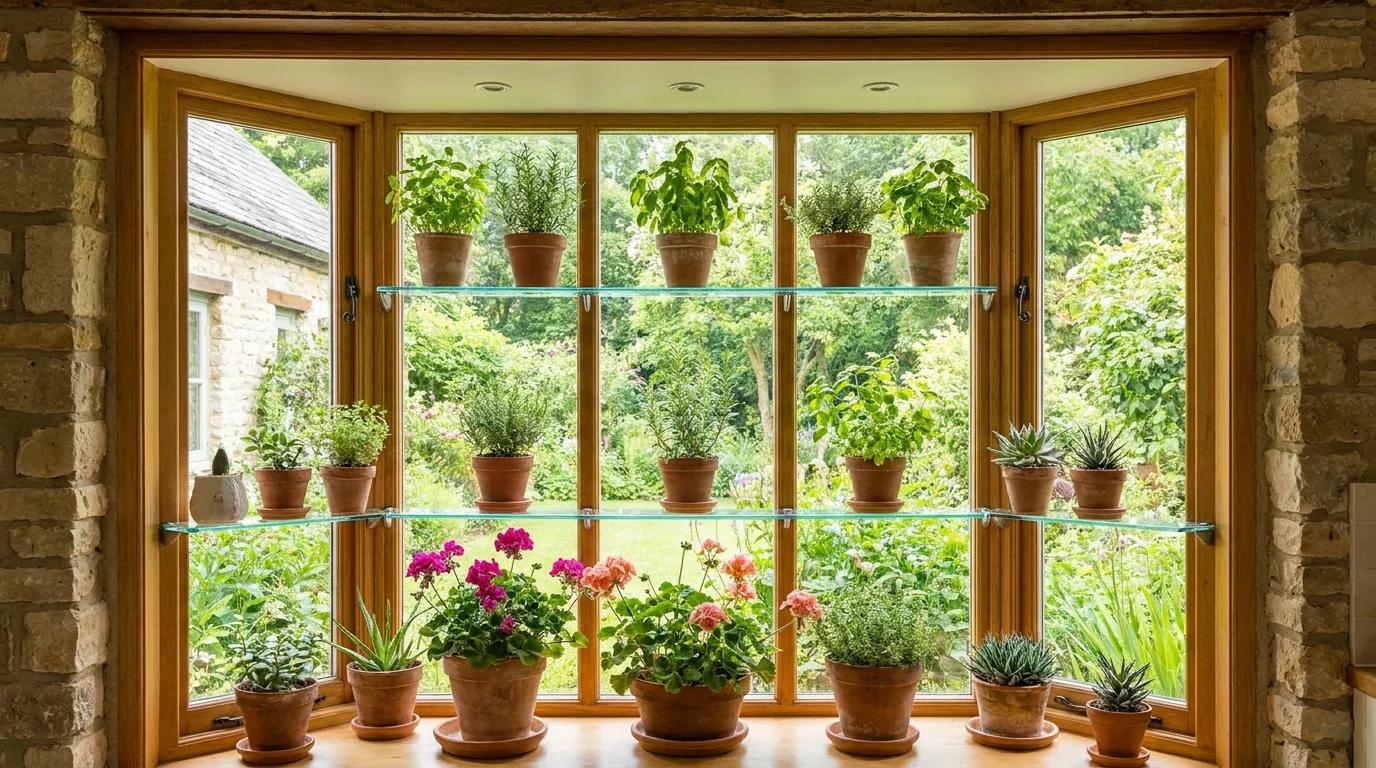
A small box-shaped window that projects outward, usually with a built-in shelf — perfect for growing herbs or displaying plants right above the sink, with glass on three sides for extra light.
Best for: Kitchens, and specifically the wall above the sink where a bay or bow window would be overkill.
Egress Windows
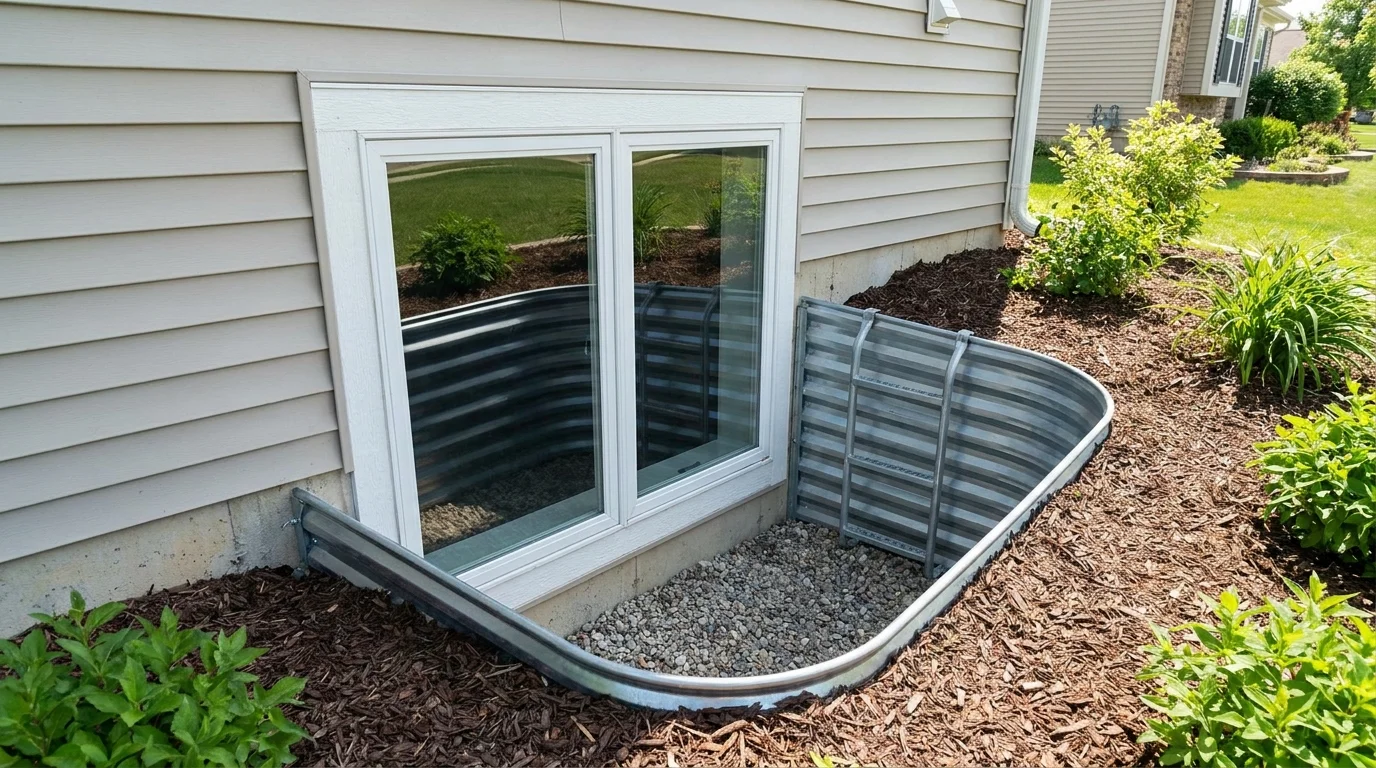
Not a style so much as a code requirement — any basement or below-grade bedroom needs an egress window large enough for emergency exit, at a maximum height off the floor. Casement and sliding styles are the most common shapes used to meet egress code.
Best for: Any basement finishing project that includes a bedroom. If you’re planning that kind of project, our basement pre-finishing checklist covers egress requirements in more detail.
Quick Comparison: Which Window Type Fits Your Project?
Here’s a side-by-side look at how each style compares on the factors that matter most. For full material and installation pricing, see our Replacement Window Cost Guide.
| Window Type | Ventilation | Energy Efficiency | Best Use Case |
|---|---|---|---|
| Double-Hung | Good | Moderate | Traditional homes, most rooms |
| Casement | Excellent | Excellent | Kitchens, sunrooms |
| Sliding | Moderate | Moderate | Wide openings, basements |
| Bay / Bow | Good | Good | Living rooms, primary bedrooms |
| Awning | Good | Good | Bathrooms, above sinks |
| Picture | None | Best | Framing a view |
| Garden | Fair | Fair | Kitchen sink wall |
| Egress | Good | Varies | Basement bedrooms (code requirement) |
Frequently Asked Questions
What’s the most energy-efficient window type?
Picture windows are the most efficient overall since they have no moving parts or seams to leak air, but among operable styles, casement windows perform best because their crank mechanism compresses the sash tightly against the frame when closed.
Do I need a permit to replace windows in New Jersey?
Simple like-for-like replacements (same size, same opening) often don’t require a permit in many NJ municipalities, but this varies by town. If you’re changing the size of the opening, adding a new window, or working in a historic district, a permit is almost always required. A licensed contractor can confirm what your specific municipality needs.
Which windows are best for older New Jersey homes?
Double-hung windows are the most common match for Colonial, Cape Cod, and Victorian homes since that’s typically what was originally installed. Many manufacturers now offer double-hung windows with modern glass and hardware while preserving the traditional grid pattern and proportions homeowners want to keep.
How long does window replacement take?
A standard whole-house window replacement (10–15 windows) typically takes 2–4 days once materials arrive, though most of that lead time is spent waiting on custom-manufactured windows, which can take several weeks to arrive after ordering.
Not Sure Which Window Style Is Right for Your Home?
Our team can walk your home, talk through your priorities, and recommend the right window style and material for your budget — with a clear, no-pressure quote.
Get Your Free Window Consultation