Your driveway is one of the largest surfaces on your property, and one of the hardest working. It carries daily traffic, takes a beating from New Jersey’s freeze-thaw winters and road salt, and plays a big role in your home’s curb appeal.
This guide compares the most common driveway materials used on New Jersey homes in 2026, with installed costs, lifespans, and where each one makes the most sense.
In This Guide
Key Takeaways
- Asphalt is the most common and affordable paved option, but it needs periodic sealing and can crack in freeze-thaw winters.
- Concrete costs more upfront but lasts 25–40 years with minimal maintenance, as long as it has proper joints and a solid base.
- Pavers are the premium choice: individually repairable, extremely long-lasting, and the best-looking, at the highest price.
- A properly compacted base and good drainage matter more than the surface material for long-term performance.
Why Driveway Material Matters in NJ
Water gets into small cracks, freezes, expands, and widens them a little more every winter. Add road salt, heavy vehicles, and tree roots, and a poorly built driveway can crack, heave, and sink within just a few seasons.
The right material, installed on a properly compacted base with good drainage, determines whether your driveway stays smooth for decades. Drainage matters too: see our guide to drainage solutions if water is pooling near your home.
Driveway Materials Compared
Here’s how the four most common residential driveway materials stack up.
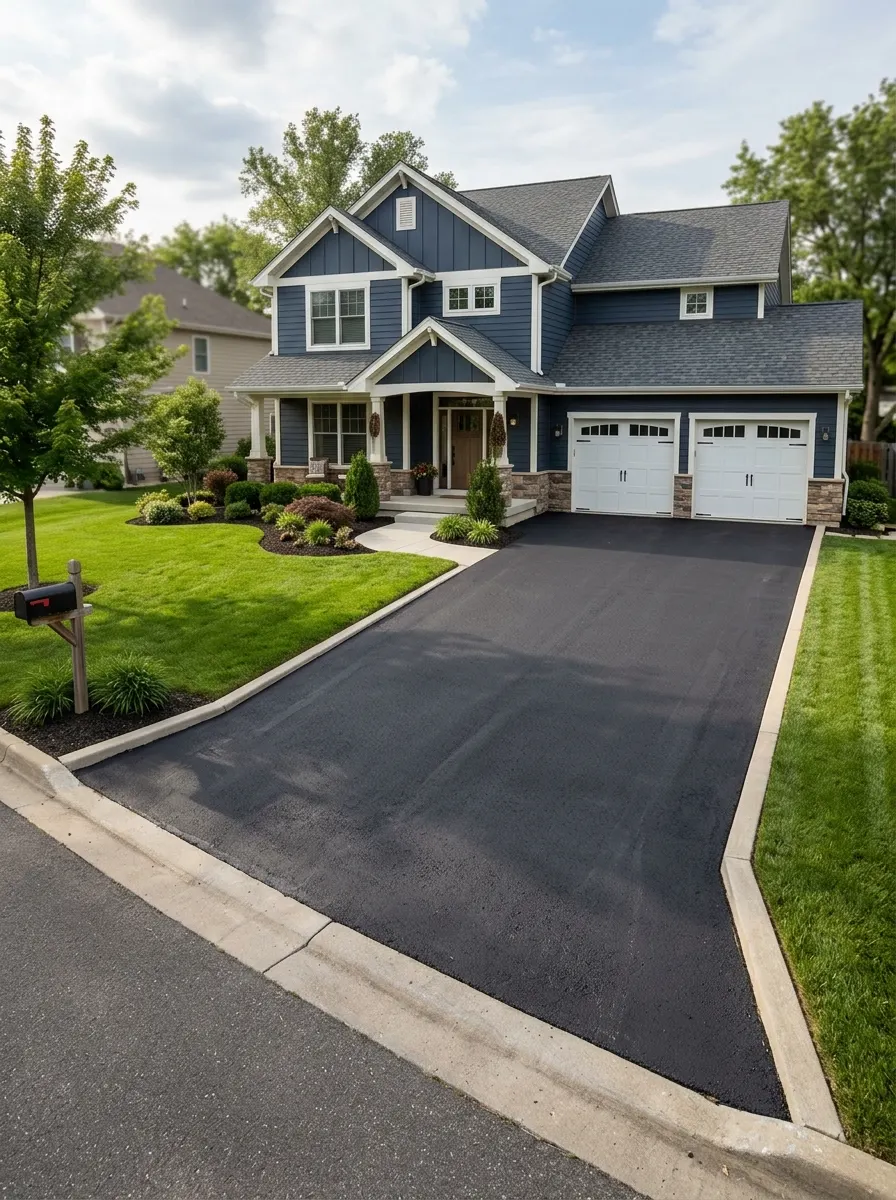
Asphalt
The classic choice for many New Jersey homes. Asphalt goes down quickly, stays slightly flexible, and costs less than concrete or pavers. It needs sealing every few years, and in freeze-thaw winters it can crack, so proper base preparation is key.
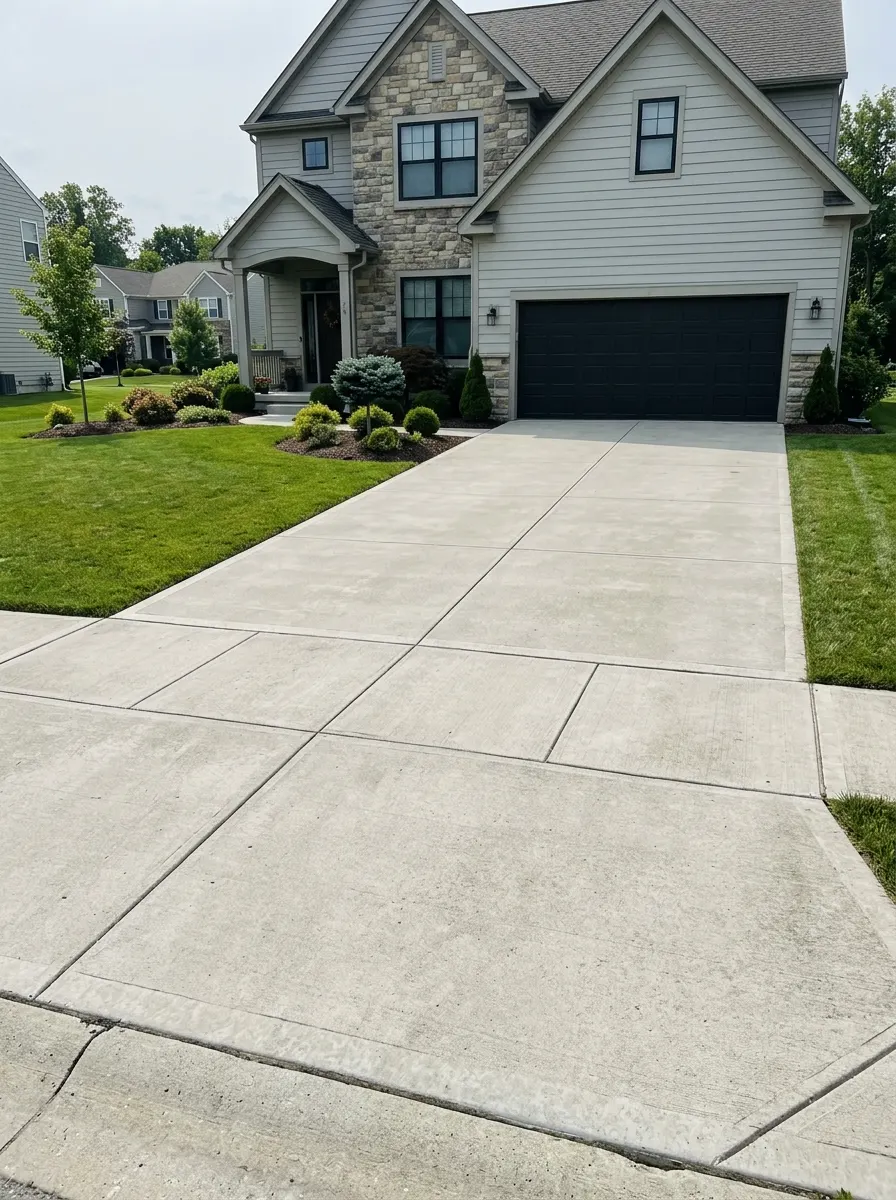
Concrete
A durable, clean-looking surface that lasts decades with little upkeep. Concrete needs properly placed control joints and a solid base to handle New Jersey freeze-thaw cycles, and decorative finishes like stamping or coloring add about $2–$8 per square foot.
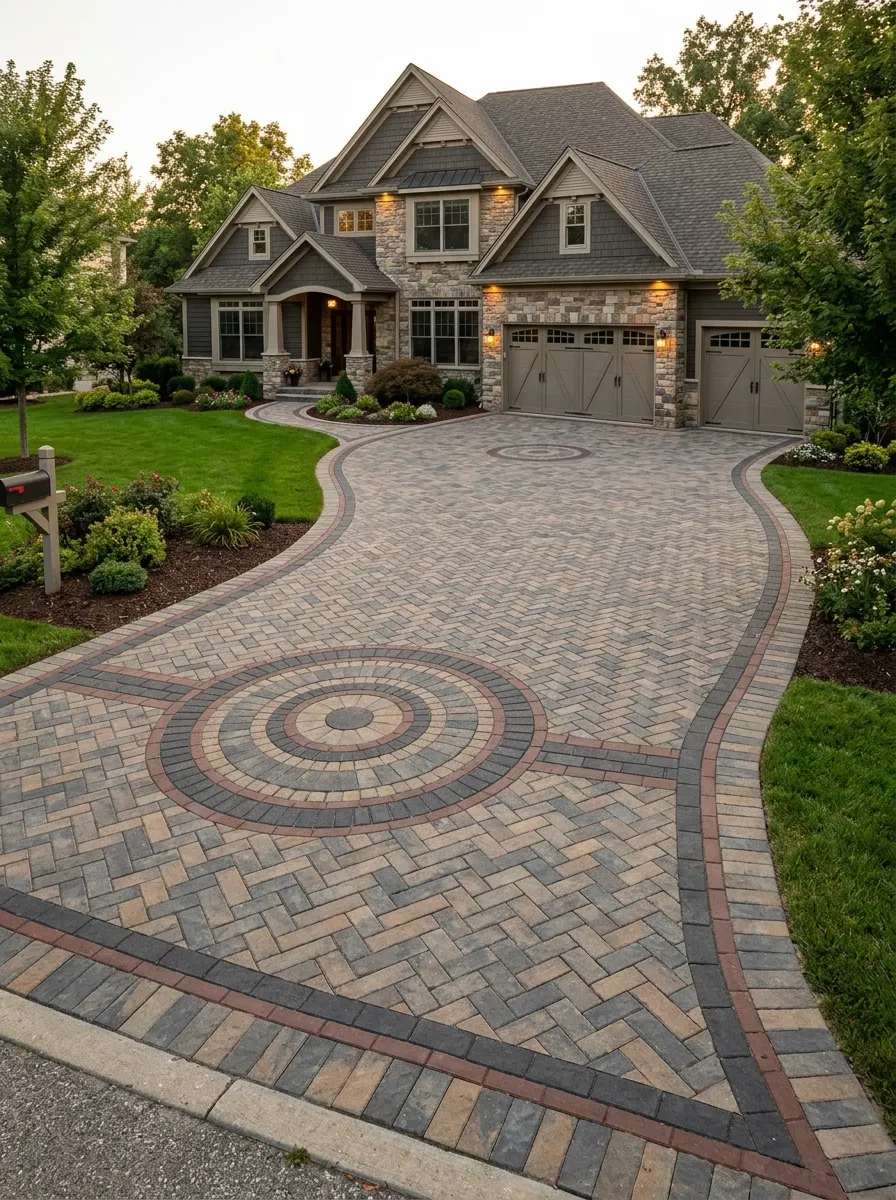
Pavers
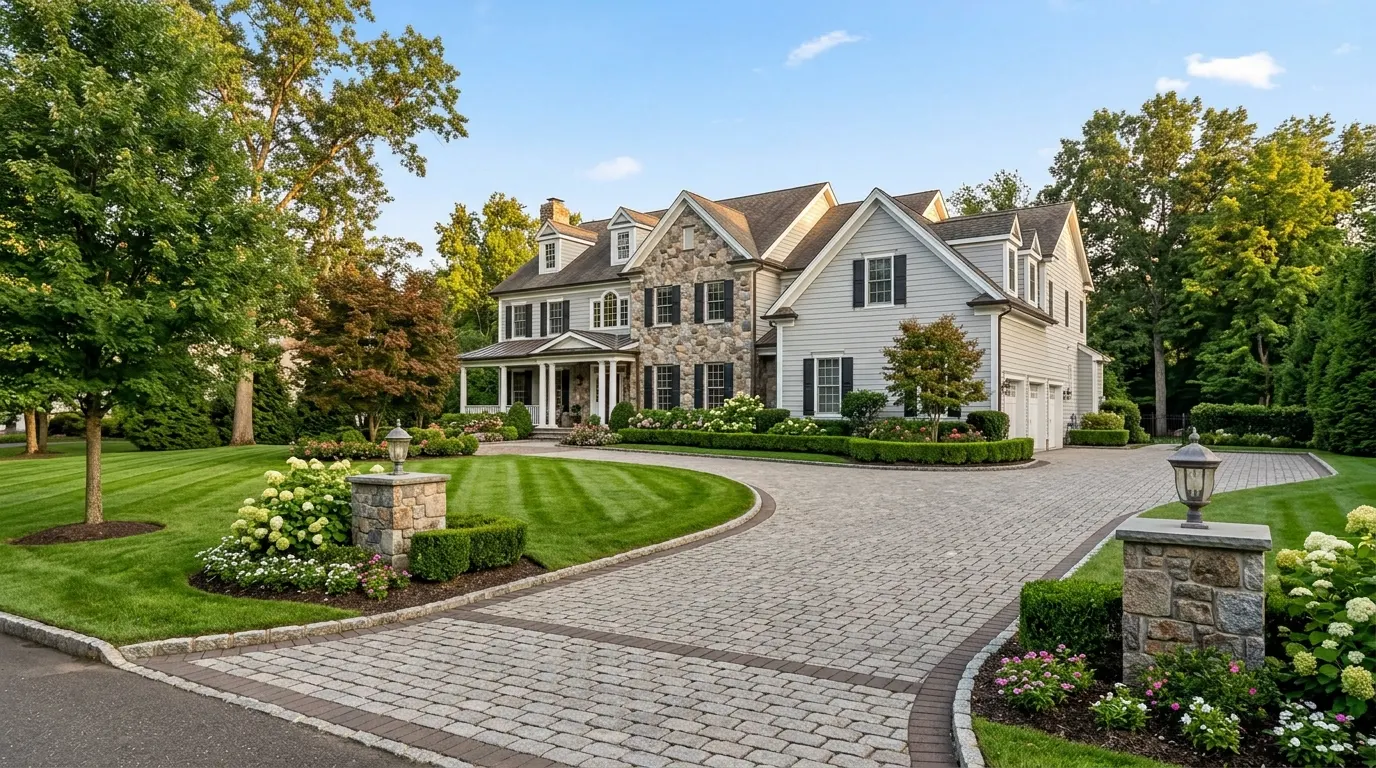
Interlocking concrete, brick, or natural stone units that handle ground movement without cracking. If one gets stained or damaged, it can be replaced without redoing the whole driveway. They cost the most upfront but offer the longest life and the best curb appeal.
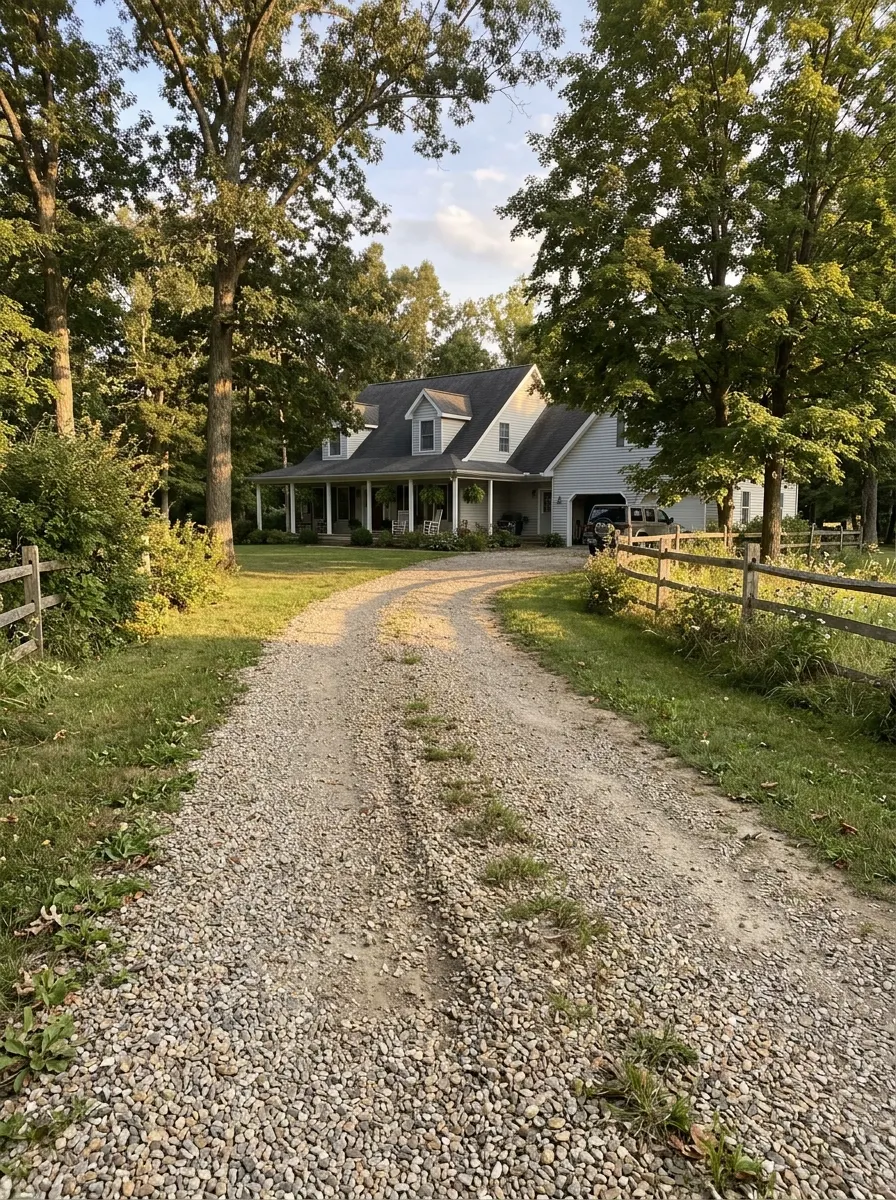
Gravel
The lowest-cost option, with excellent drainage and a rustic look. Gravel needs regular raking and top-ups, and it can be difficult to plow in winter, so it fits long rural driveways better than snowy suburban ones.
Note: Many properties combine materials, such as an asphalt or concrete driveway with a paver apron or walkway for extra curb appeal. Our outdoor living team can help you plan a layout that fits your home and budget.
Not sure which driveway fits your home and budget?Get a free, no-obligation consultation and quote.
Get My Free QuoteCost & Lifespan Comparison
Here’s a side-by-side look at what a typical 600 sq. ft. two-car driveway costs by material.
| Material | Cost per Sq. Ft. | 600 Sq. Ft. Driveway | Lifespan | Maintenance |
|---|---|---|---|---|
| Gravel | $2 – $6 | $1,200 – $3,600 | Needs top-ups | Moderate |
| Asphalt | $7 – $15 | $4,200 – $9,000 | 15 – 25 years | Seal every 2–5 years |
| Concrete | $8 – $18 | $4,800 – $10,800 | 25 – 40 years | Low |
| Pavers | $15 – $35 | $9,000 – $21,000 | 30 – 50+ years | Low to moderate |
Note: Pricing varies by source and region, and the Northeast tends to run higher. These are driveway surface and installation ranges; excavation, base work, drainage, removal of an old driveway, curbs, and apron work are additional. Our team provides a full quote after a site visit.
How to Choose the Right Driveway
A few questions can quickly narrow the decision:
- What’s your budget? Gravel and asphalt are the most affordable. Concrete costs more but needs less upkeep, and pavers are the premium investment.
- How long will you stay? Over a 20-year span, concrete and pavers often close the gap with asphalt once sealing and repairs are counted.
- How harsh are your winters? New Jersey freeze-thaw and de-icing salt are tough on all paved surfaces. A well-compacted base and proper joints help, and harsh de-icers are best avoided on newer concrete.
- Do you want repairability? Pavers can be lifted and replaced one at a time. Asphalt and concrete are patched or resurfaced.
- Are you planning other outdoor work? Driveways often go in with new walkways and patios. See our patio materials guide to coordinate the look.
Frequently Asked Questions
What’s the best driveway material for New Jersey?
It depends on your priorities. Concrete offers the best long-term value with low maintenance, pavers handle freeze-thaw movement best and look the most upscale, and asphalt is the most budget-friendly paved option. Whichever you choose, a well-compacted base matters most.
How much does a new driveway cost in New Jersey?
A typical two-car driveway of about 600 square feet generally runs from around $4,200 for asphalt up to $21,000 for premium pavers, with concrete in between. Gravel is the cheapest at roughly $1,200 to $3,600.
How long does an asphalt driveway last?
Typically 15 to 25 years with regular sealing every two to five years. Freeze-thaw cycles can shorten that if the base isn’t properly prepared.
Will a concrete driveway crack in New Jersey winters?
Any concrete can crack over time, but a compacted base, proper slab thickness, and correctly placed control joints greatly reduce the risk. Quality installation matters as much as the material.
Do I need a permit for a new driveway?
Often yes, especially if you’re widening the driveway, changing the curb cut, or adding impervious surface. Requirements vary by municipality, and our team confirms them before work begins.
Ready to Build Your New Driveway?
From material selection to proper base preparation and drainage, our team handles every step of your driveway project, with a clear, upfront quote before any work begins.
Fill out the form and get a custom driveway estimate for your home today.