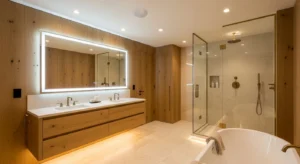
Tile is one of the most durable surfaces you can put in a bathroom, but “tile” covers a wide range of materials with very different prices, looks, and upkeep. Picking the right one affects how your shower holds up to daily moisture, how easy it is to clean, and what the job costs.
This guide compares the four most common bathroom tile materials used in New Jersey remodels in 2026, with installed costs, lifespans, and where each one makes the most sense.
In This Guide
Key Takeaways
- Ceramic is the budget-friendly choice for walls and low-traffic floors, while porcelain is denser and the better pick for showers and floors.
- Natural stone looks one-of-a-kind but is porous, so it needs sealing and regular care.
- Glass tile is a great accent, but it costs the most and is best used in smaller areas like niches and backsplashes.
- Labor is a big part of the bill, so installation quality and waterproofing matter as much as the tile itself.
Why Tile Choice Matters in a Bathroom
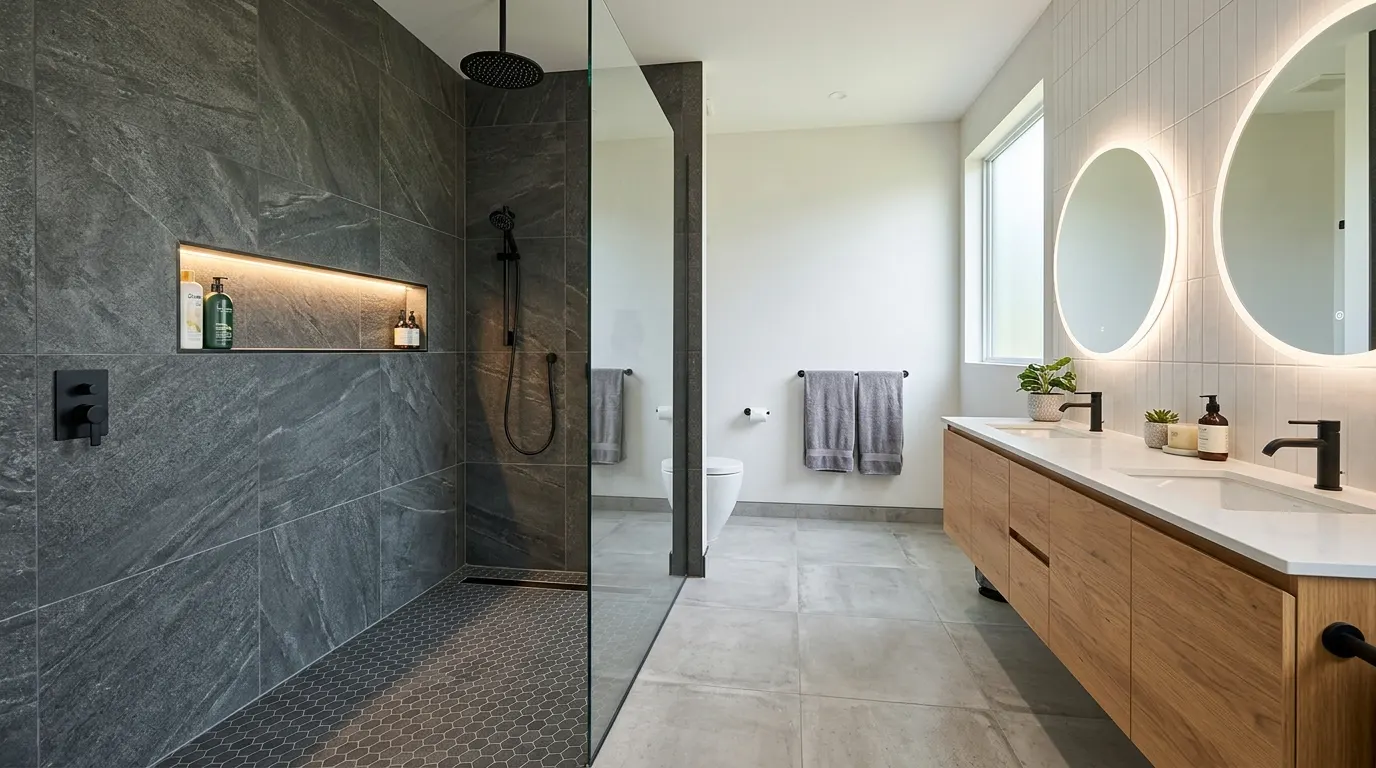
Bathroom tile lives in one of the wettest rooms in the house. The material you choose determines how much water it absorbs, how slippery it is underfoot, how often it needs sealing, and how well it holds up over the years.
Whatever tile you pick, the waterproofing behind it is just as important. If you’re planning a larger bathroom project, our team can help you choose tile and price the whole job together.
Bathroom Tile Materials Compared
Here’s how the four most common bathroom tile materials stack up.
Ceramic
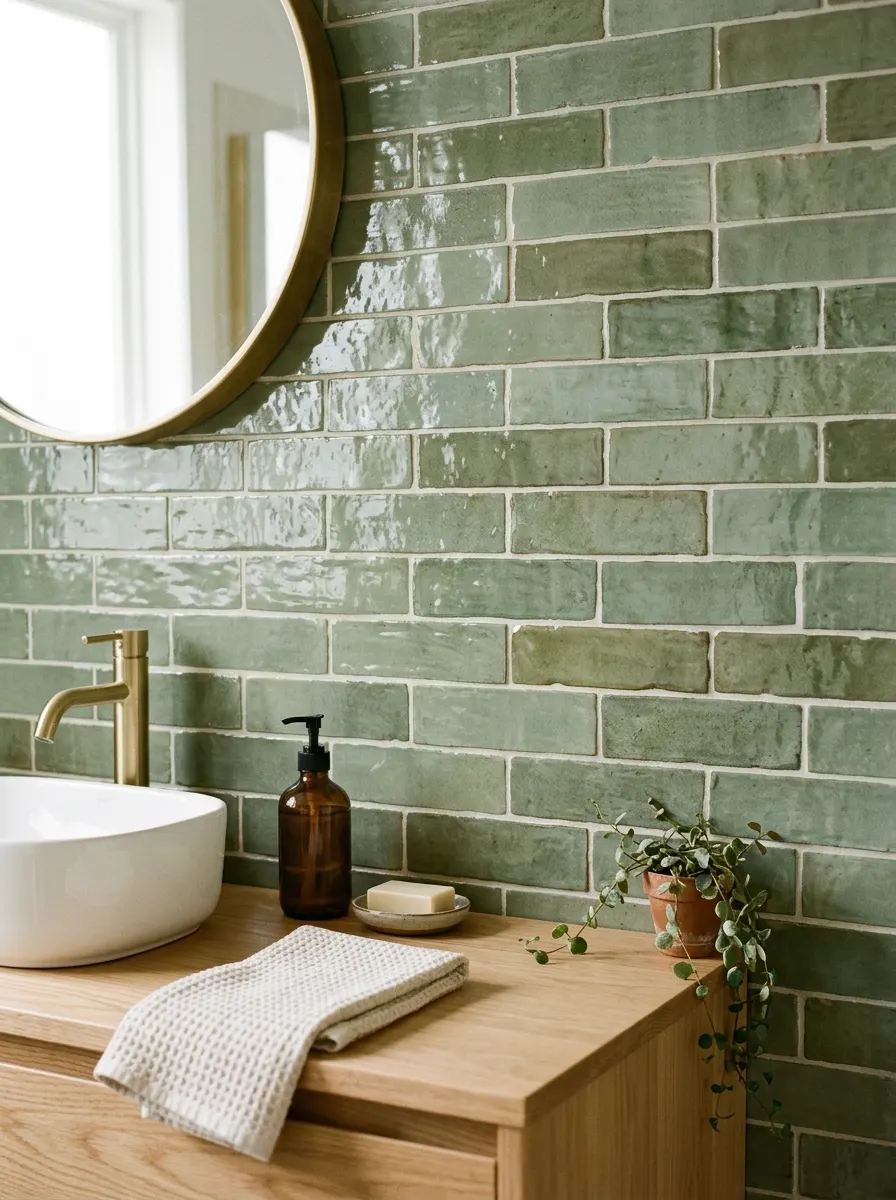
The most affordable option, available in nearly every color, size, and pattern. Ceramic is softer and more porous than porcelain, so it suits shower walls, backsplashes, and low-traffic floors better than heavily used floors.
Porcelain
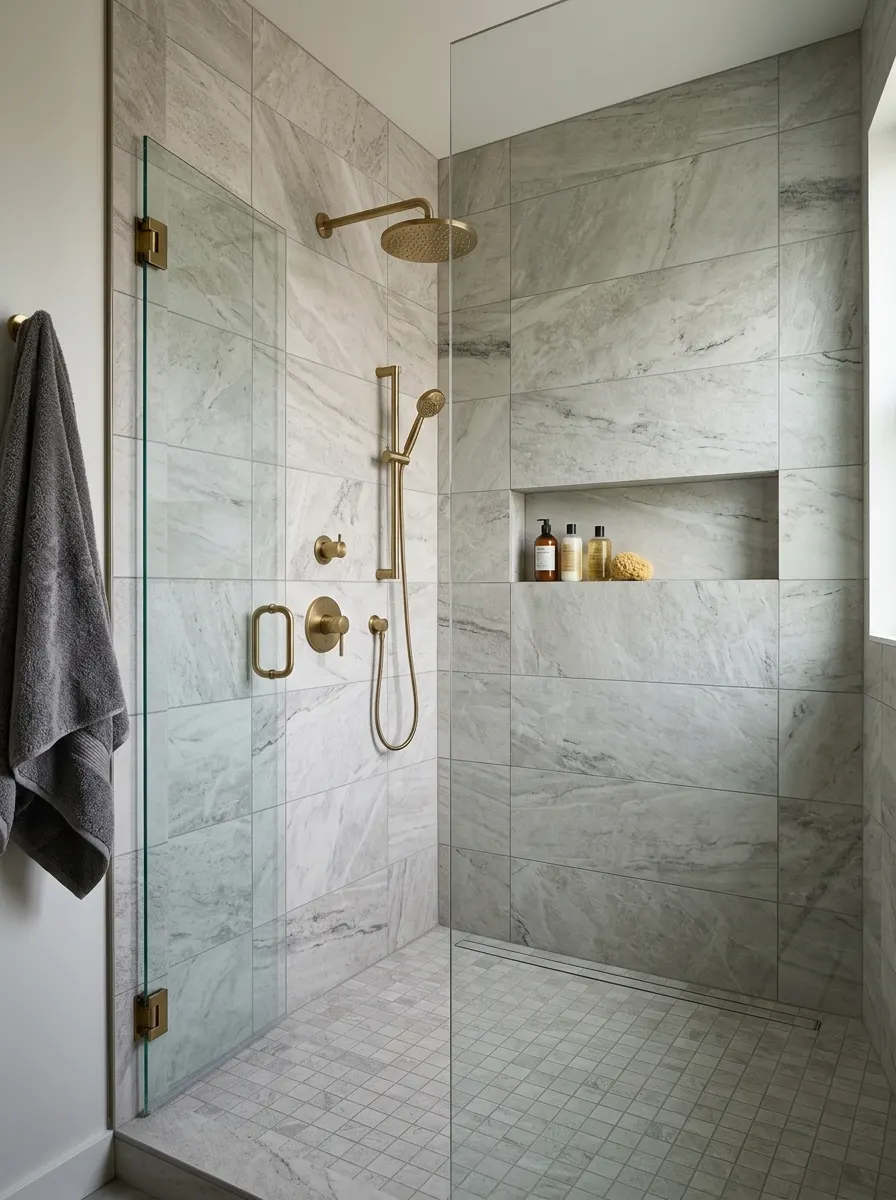
Fired at higher temperatures, porcelain is denser and absorbs very little water, which makes it a go-to for showers and floors. It can mimic wood and stone convincingly, but it is harder to cut, which can raise labor costs.
Natural Stone
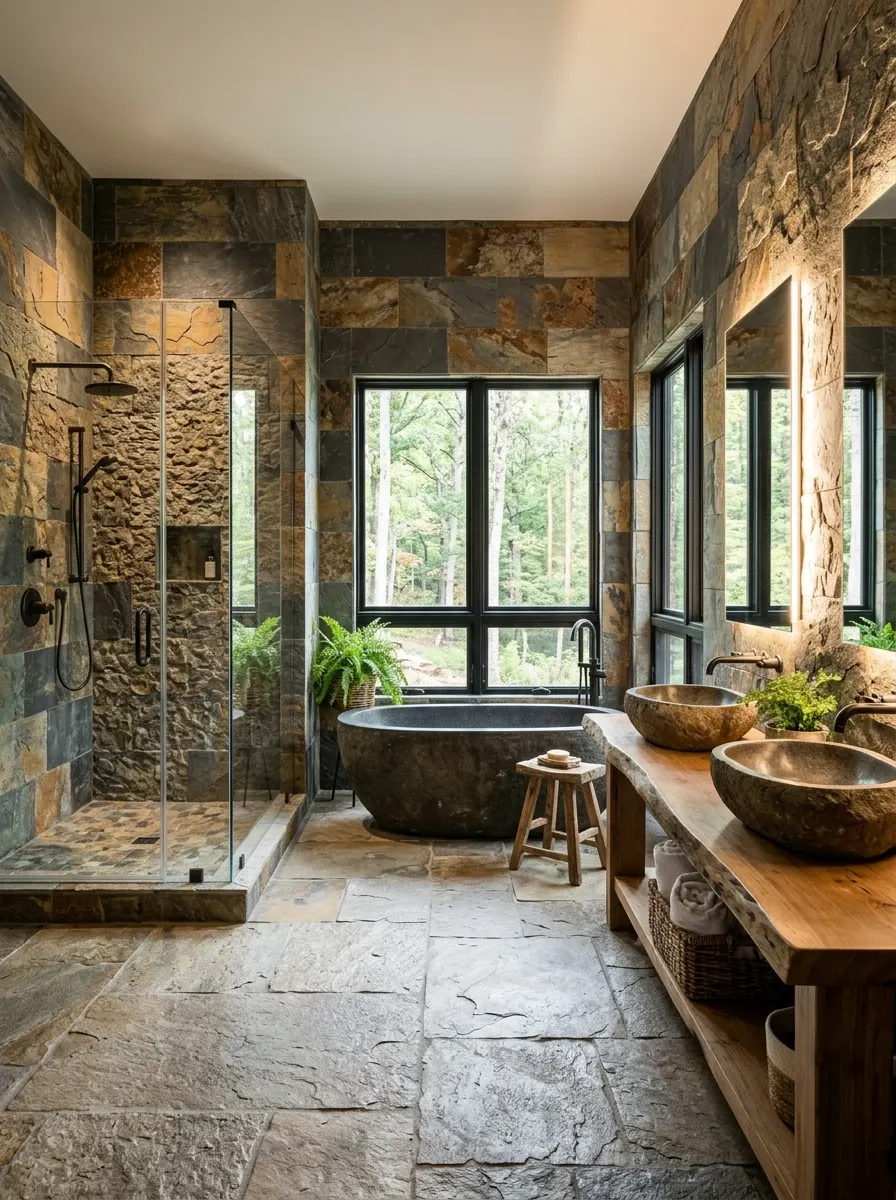
Marble, travertine, slate, and granite bring a unique, high-end look. Stone is porous, so it needs sealing at install and periodic resealing, and some types can stain or etch from common bathroom products.
Glass Tile
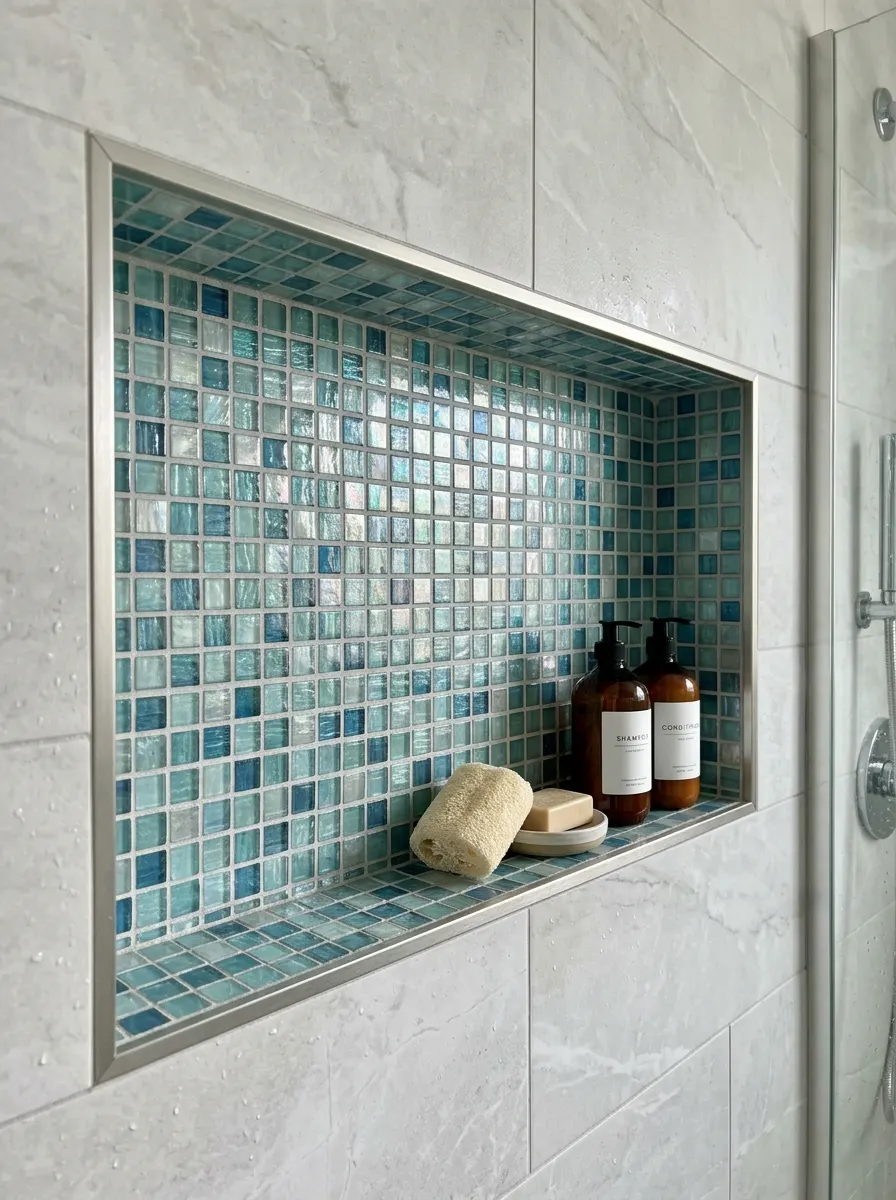
Glass tile does not absorb water and adds depth and light. It is usually installed as mosaics or accents in niches, borders, and backsplashes, and it carries the highest price and the most demanding installation.
Note: Many bathrooms mix materials, such as porcelain on the floor and walls with a glass or stone accent in the niche. Our team can help you balance the look with your budget.
Not sure which tile fits your bathroom and budget?Get a free, no-obligation consultation and quote.
Get My Free QuoteCost & Lifespan Comparison
Here’s a side-by-side look at what tile costs by material, along with a sample 100 sq. ft. area (a typical shower and floor combined).
| Material | Material Only | Installed per Sq. Ft. | 100 Sq. Ft. Installed | Lifespan |
|---|---|---|---|---|
| Ceramic | $1 – $3.50 | $5 – $12 | $500 – $1,200 | 20 – 40 years |
| Porcelain | $3 – $10 | $7 – $20 | $700 – $2,000 | 30 – 50+ years |
| Natural Stone | $5 – $25+ | $12 – $40 | $1,200 – $4,000 | 25 – 50+ years |
| Glass Tile | $7 – $30 | $15 – $50 | $1,500 – $5,000 | 20 – 40 years |
Note: Pricing varies by source, and the Northeast tends to run higher. Lifespans are general estimates that depend on installation quality and care. Waterproofing, demolition, subfloor repair, and niches or specialty trim are additional. Our team provides a full quote after a site visit.
How to Choose the Right Tile
A few questions can quickly narrow the decision:
- What’s your budget? Ceramic is the most affordable, porcelain is the best all-around value, and stone and glass sit at the premium end.
- Where will it go? Porcelain is a safe choice for showers and floors. Glass and stone often work best as accents or on walls.
- How much upkeep are you willing to do? Porcelain, ceramic, and glass are easy to clean. Natural stone needs sealing and gentler cleaners.
- Think about grip. Floors, especially in showers, benefit from a textured finish or smaller tiles with more grout lines for traction.
- Plan for the install. Large-format, stone, and glass tile demand a flat surface and skilled setting, which affects the final price.
Frequently Asked Questions
What is the best tile for a shower?
Porcelain is the most popular choice because it is dense and absorbs very little water. Ceramic works well on shower walls, and glass makes a great accent. Natural stone can work too, but it must be sealed and maintained.
What is the difference between ceramic and porcelain tile?
Porcelain is made from finer clay fired at higher temperatures, so it is denser, harder, and absorbs less water than ceramic. It usually costs more and is harder to cut, while ceramic is easier to install and cheaper.
How much does it cost to tile a bathroom?
Installed tile generally runs from about $5 per square foot for basic ceramic to $50 per square foot for glass or premium stone. Labor commonly adds about $4 to $10 per square foot, and total project cost depends on size, layout, and waterproofing.
Does natural stone tile need to be sealed?
Yes. Natural stone is porous, so it is typically sealed during installation and resealed periodically to resist stains and moisture. Your installer can recommend a sealing schedule for the stone you choose.
How long does bathroom tile last?
Tile itself can last decades, often 20 to 50 years or more, but grout, caulk, and waterproofing may need attention sooner. Proper installation and routine maintenance make the biggest difference.
Ready to Tile Your Dream Bathroom?
From choosing the right tile to waterproofing and expert installation, our team handles every step of your bathroom project, with a clear, upfront quote before any work begins.
Fill out the form and get a custom bathroom estimate for your home today.