
Insulation is one of the few home upgrades that pays you back every single month. The right material in the right place cuts heating and cooling bills, evens out room temperatures, quiets the house, and helps prevent ice dams and moisture problems. The wrong choice, or gaps in the right one, quietly wastes energy for decades.
This guide compares the most common insulation types used in New Jersey homes in 2026, with installed costs, R-values, and where each one works best.
In This Guide
Key Takeaways
- New Jersey code calls for R-49 in attics, and ENERGY STAR suggests up to R-60 for an uninsulated attic in older homes.
- Fiberglass and cellulose are the budget-friendly workhorses; spray foam and mineral wool cost more but solve specific problems like air leaks, moisture, fire, and noise.
- Air sealing matters as much as the material. Gaps and leaks let conditioned air escape even through thick insulation.
- Different areas call for different products: attics, walls, rim joists, and basements each have a best-fit material.
Why Insulation Matters in NJ
New Jersey sees cold, damp winters and hot, humid summers, so a home works hard in both directions. Poor insulation sends heat straight out through the attic in January and lets it pour in during July, forcing your heating and cooling system to run harder and longer.
Good insulation also reduces ice dams on the roof, cuts drafts, and keeps interior surfaces warmer so condensation and mold are less likely. If you’re also weighing a new system, see our guide to HVAC replacement costs in New Jersey, since better insulation can let you size equipment smaller.
Insulation Types Compared
Here’s how the five most common residential insulation types stack up.
Fiberglass (Batt & Blown-In)
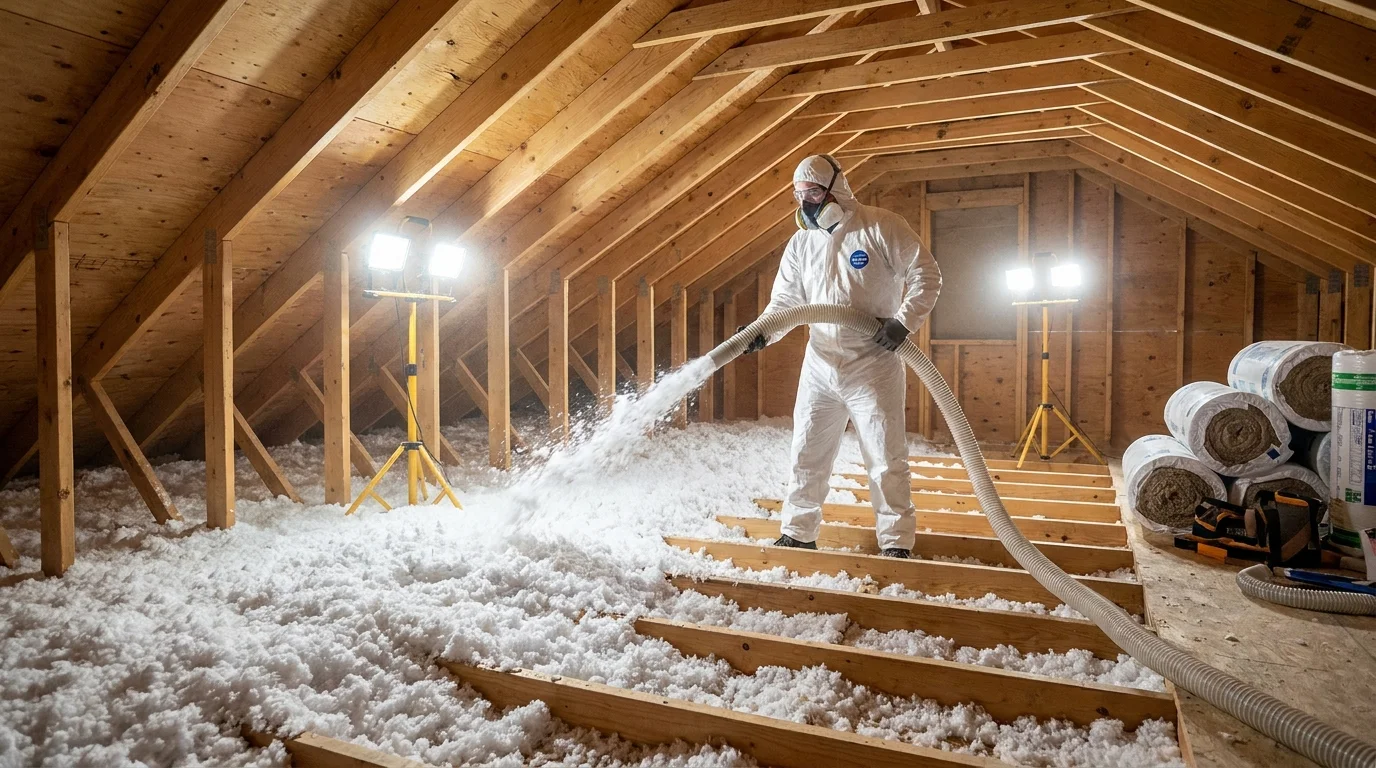
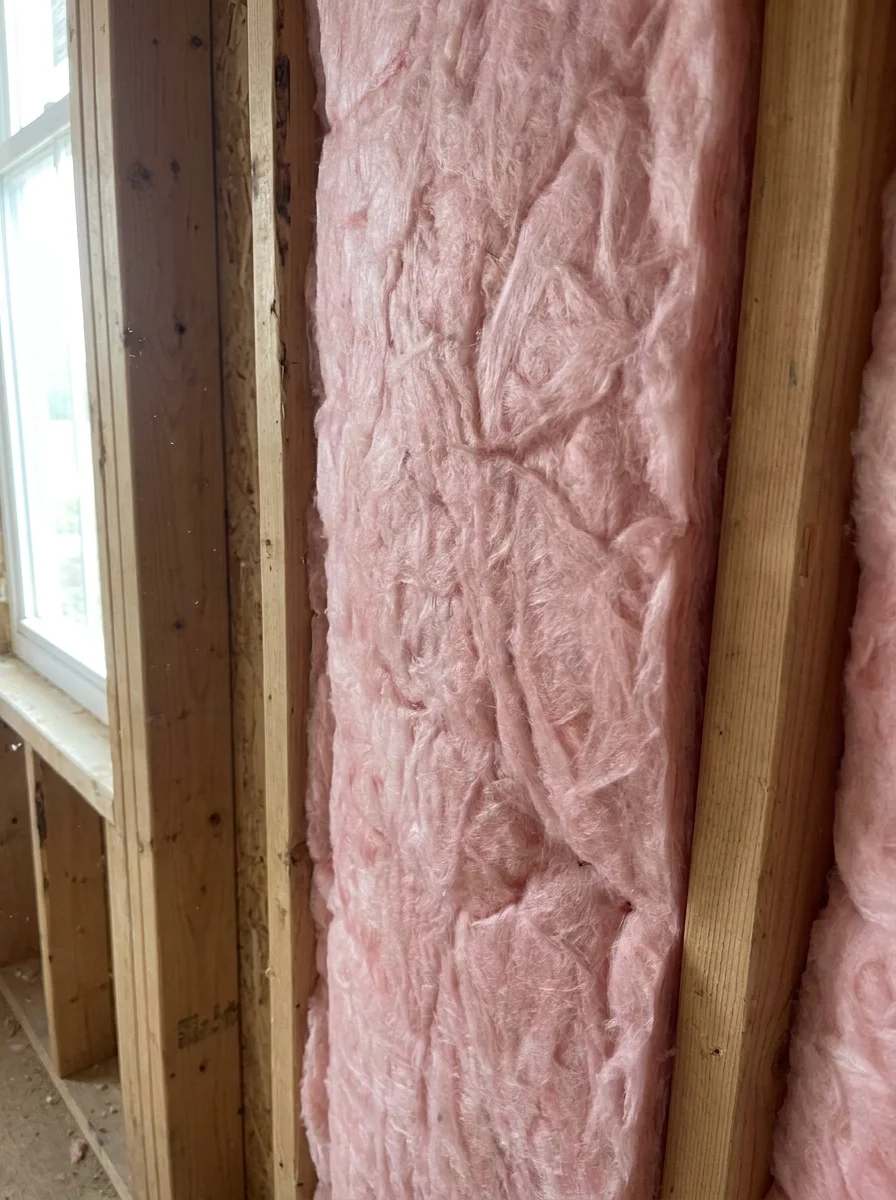
The most widely used insulation in American homes. Batts are cut to fit between studs and joists, while blown-in fiberglass fills attics and hard-to-reach cavities. It’s affordable and effective when installed without gaps or compression, but air leaks around it go unchecked.
Blown-In Cellulose
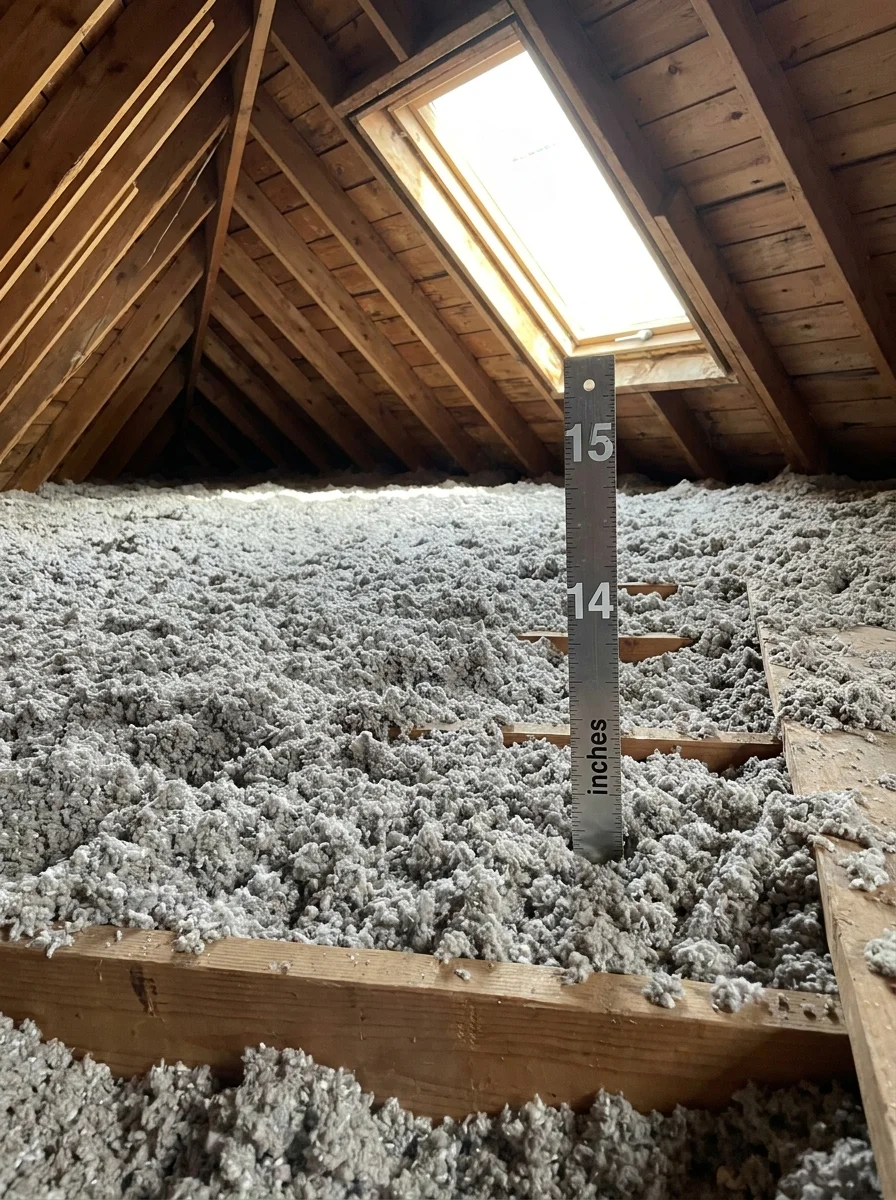
Made largely from recycled paper treated for fire and pest resistance. It packs densely into attics and existing wall cavities without tearing anything open, which makes it a favorite for upgrading older New Jersey homes.
Spray Foam (Open & Closed Cell)
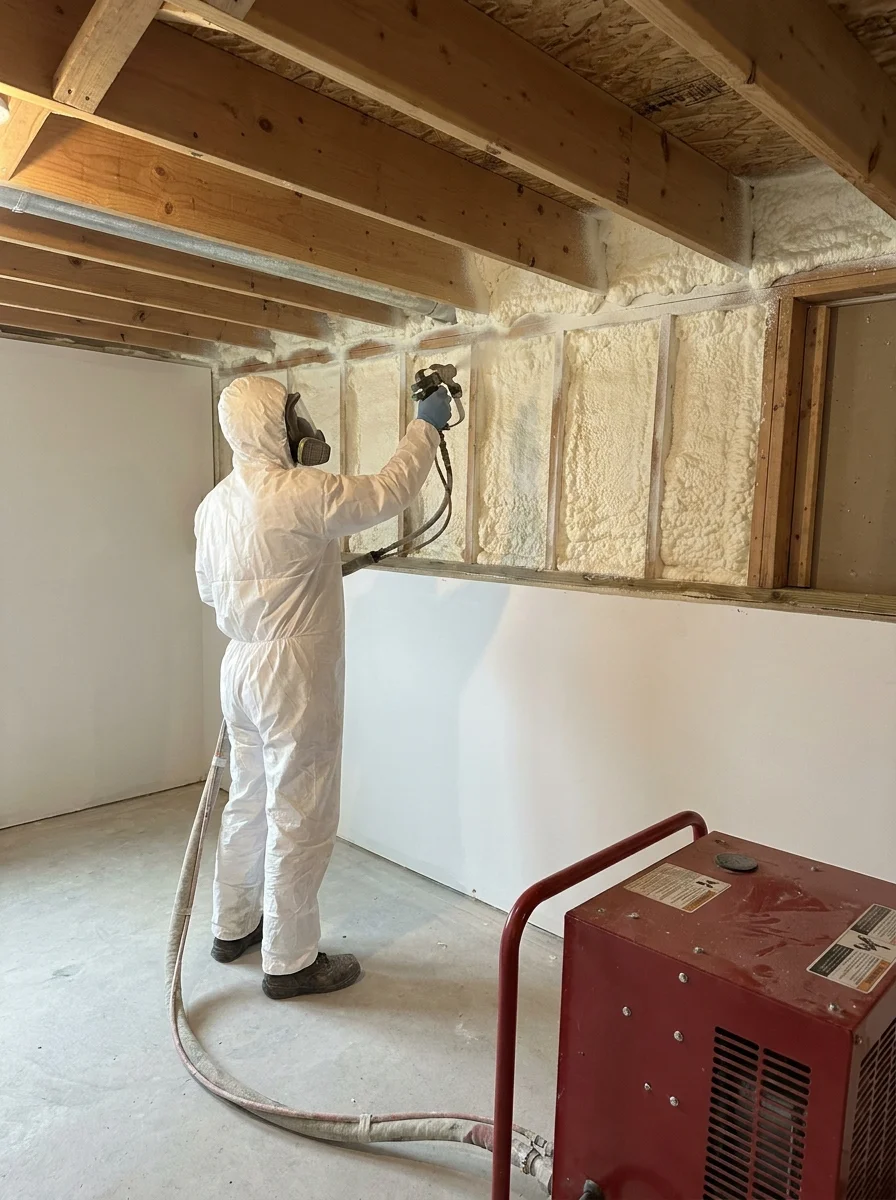
Sprayed as a liquid that expands to seal every gap, so it insulates and air-seals in one step. Open-cell is lighter and more affordable; closed-cell packs far more R-value per inch and adds moisture resistance, which is why it’s common in basements and rim joists.
Rigid Foam Board
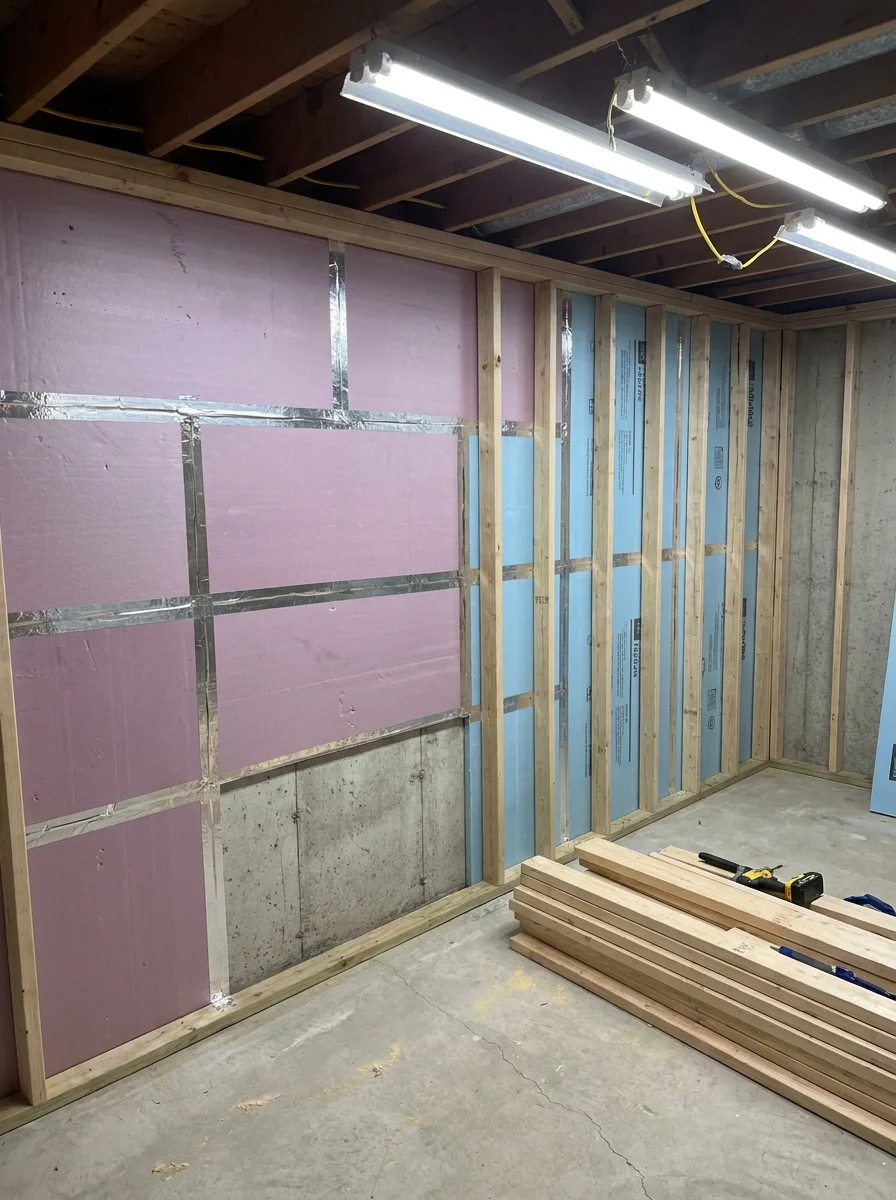
Stiff panels of polystyrene or polyiso that add continuous insulation over studs, slabs, and foundation walls. They resist moisture well and help break thermal bridging through framing, making them a go-to for finished basements.
Mineral Wool
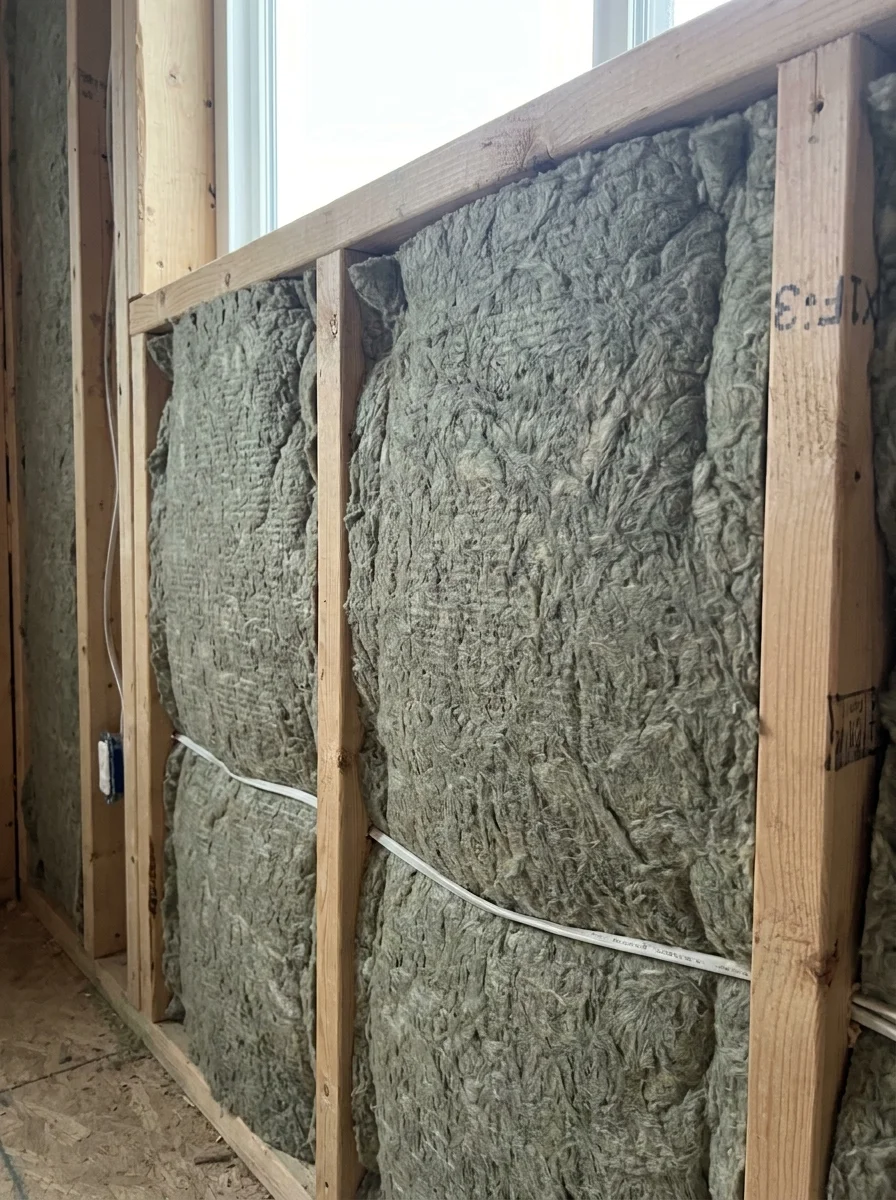
Made from spun rock or slag, mineral wool shrugs off fire and water and is excellent at damping sound. It costs more than fiberglass but is a smart pick for fire-rated assemblies, garages, and rooms where noise control matters.
Note: Many homes use a combination, such as blown-in cellulose in the attic, spray foam at the rim joists, and rigid foam on basement walls. Our team can recommend the right mix for each part of your house.
Not sure what your home needs?Get a free, no-obligation consultation and quote.
Get My Free QuoteCost & R-Value Comparison
A higher R-value means better resistance to heat flow. Here’s a side-by-side look at the major types.
| Type | Installed Cost | R-Value / Inch | Best Location |
|---|---|---|---|
| Fiberglass Batt | $0.30 – $1.50 / sq. ft. | ~2.5 – 3.8 | Open wall and floor cavities |
| Blown-In Fiberglass | $1 – $1.50 / sq. ft. | ~2.2 – 2.9 | Attics |
| Blown-In Cellulose | $0.60 – $2.30 / sq. ft. | ~3.5 | Attics, existing walls |
| Open-Cell Spray Foam | $0.44 – $0.65 / board ft. | ~3.5 | Interior walls, roof decks |
| Closed-Cell Spray Foam | $1 – $1.50 / board ft. | ~6 – 7 | Rim joists, basements |
| Rigid Foam Board | $0.25 – $2 / board ft. | ~3.2 – 3.8+ | Basement walls, slabs |
| Mineral Wool | $1.40 – $4 / sq. ft. | ~3.4 | Fire/sound-rated assemblies |
Note: The national average to insulate a whole house is roughly $1,860, with most projects falling between about $1,100 and $2,650. Attic projects typically run $1,500–$6,000. Spray foam and rigid foam are priced per board foot (one square foot, one inch thick), so they aren’t directly comparable to per-square-foot prices. Site prep can add $150–$900.
Recommended R-Values for NJ
New Jersey sits in climate zones 4A and 5A. Northern counties like Bergen, Morris, Passaic, Sussex, Warren, Hunterdon, and Somerset are in zone 5A, while most of the central and southern counties are in zone 4A. These are the common targets for each part of the house:
| Area | Zone 4A | Zone 5A |
|---|---|---|
| Attic / ceiling | R-49 | R-49 |
| Wood-framed walls | R-30 cavity (or R-20 + R-5 continuous) | R-30 cavity (or R-20 + R-5 continuous) |
| Floors over unheated space | R-19 | R-30 |
| Basement / crawl space walls | R-10 continuous or R-13 cavity | R-15 continuous or R-19 cavity |
Note: These reflect current new-construction code and ENERGY STAR guidance. For an existing, uninsulated attic, ENERGY STAR suggests R-60. Always confirm requirements with your local building department.
How to Choose the Right Insulation
A few questions can quickly narrow the decision:
- Which area are you insulating? Attics favor blown-in cellulose or fiberglass. Rim joists and basement walls favor closed-cell spray foam or rigid foam. Open framing during a remodel works well with batts or mineral wool.
- Is the space open or finished? Blown-in products can be added to existing walls and attics without demolition. Batts and spray foam are easier when studs are exposed.
- Is moisture a concern? Basements and crawl spaces do best with moisture-resistant materials like closed-cell foam and rigid board. Pair them with proper waterproofing; see our guide to heating and cooling a finished basement.
- Are you converting space? Turning an attic into living space raises the stakes on insulation. See our attic conversion cost guide for the full picture.
- Is a new roof coming up? It’s the ideal time to fix ventilation and attic insulation together. Our roofing materials guide covers your options.
Frequently Asked Questions
What’s the best insulation for New Jersey homes?
There isn’t one best product. Blown-in cellulose or fiberglass is usually the best value for attics, closed-cell spray foam or rigid foam works well in basements and rim joists, and batts or mineral wool suit open walls during a remodel. The best result comes from matching the material to each area.
How much does it cost to insulate a house in New Jersey?
Nationally, most whole-house projects land between roughly $1,100 and $2,650, with attic-only jobs running about $1,500 to $6,000. Spray foam and mineral wool cost more per square foot than fiberglass or cellulose, and larger or harder-to-access homes cost more.
What R-value do I need in my attic?
New Jersey code targets R-49 for attics. For an existing home with little or no attic insulation, ENERGY STAR recommends up to R-60. That works out to roughly 14 to 18 inches of blown-in insulation, depending on the product.
Is spray foam worth the extra cost?
It can be, in the right places. Spray foam air-seals and insulates in one step, which pays off at rim joists, in basements, and in tight or irregular spaces. For wide-open attic floors, cheaper blown-in insulation often gives better value per dollar.
How long does insulation take to install?
An attic is often finished in one to three days. Insulating walls or a whole house during a renovation takes longer and is usually scheduled alongside other work. Our team confirms the timeline in your quote.
Ready to Upgrade Your Insulation?
From attic top-ups to full-home upgrades, our team helps you choose the right materials for each part of your house, with a clear, upfront quote before any work begins.
Fill out the form and get a custom insulation estimate for your home today.