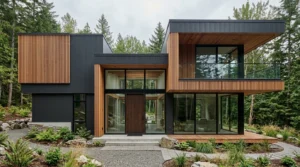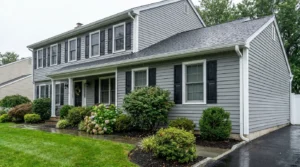
Siding does more than give your home its curb appeal — in New Jersey it’s the first line of defense against humid summers, coastal storms, freeze-thaw winters, and everything in between. Pick the wrong material and you’re repainting, patching, or replacing it again in a decade. Pick the right one and it can outlast the mortgage.
So which siding is actually worth it? From budget-friendly vinyl to premium stone veneer, this guide breaks down every major siding material used on New Jersey homes — real 2026 installed costs, lifespan, and maintenance for each — so you can choose with confidence, not guesswork.
In This Guide
Key Takeaways
- Vinyl siding is the most budget-friendly option at $3–$10 per sq. ft. installed, with insulated versions cutting energy bills.
- Fiber cement (like James Hardie) costs more upfront but lasts 30–50 years and holds up best against NJ’s freeze-thaw cycles.
- Siding replacement is consistently one of the highest-ROI exterior projects a homeowner can make.
- Wood siding offers unmatched character but needs the most ongoing maintenance in a humid climate.
- Most full-home siding jobs take 3–7 days, depending on square footage and trim detail.
- Premium options like stucco, brick, and stone veneer can last 50+ years but cost significantly more per square foot.
Why Your Siding Choice Matters in NJ’s Climate
New Jersey homes deal with a wide swing of conditions across a single year — humid, storm-prone summers along the coast, and hard winter freeze-thaw cycles inland and in North Jersey. That combination is tough on exterior materials: humidity invites moisture and mold behind poorly installed siding, while repeated freezing and thawing causes cheaper materials to crack, warp, or pull away from the wall over time.
The right siding material — installed correctly with proper house wrap and flashing — protects your home’s structure, keeps energy costs down, and is one of the few renovations that pays for itself at resale. The wrong one becomes a recurring repair bill.
Siding Materials Compared
Here’s how the most common siding materials used on New Jersey homes stack up — from the most affordable to the most premium.
Vinyl Siding
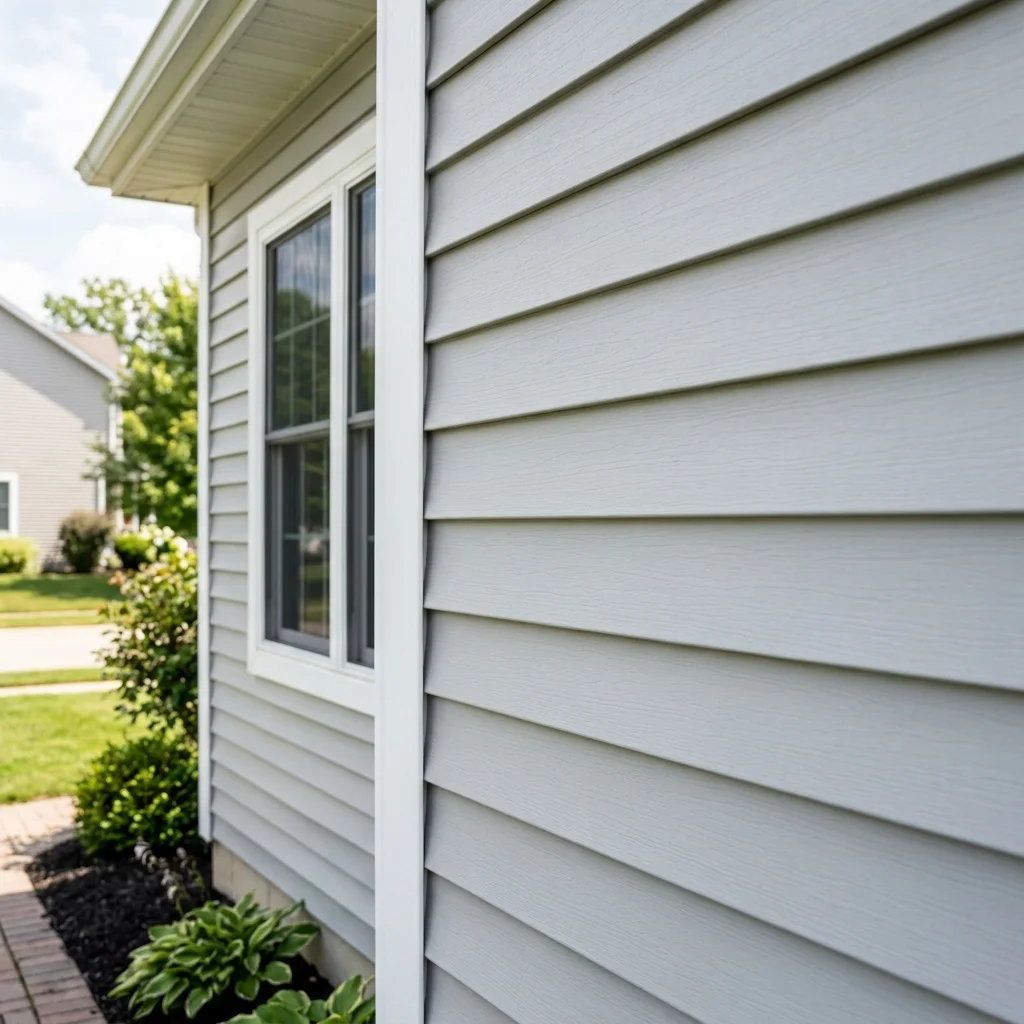
Vinyl remains the most popular siding choice in New Jersey, and for good reason — it’s affordable, never needs painting, and modern profiles (board-and-batten, shake, Dutch lap) look far better than the vinyl of decades past. Insulated vinyl adds a foam backing that improves energy performance and dent resistance.
Fiber Cement Siding
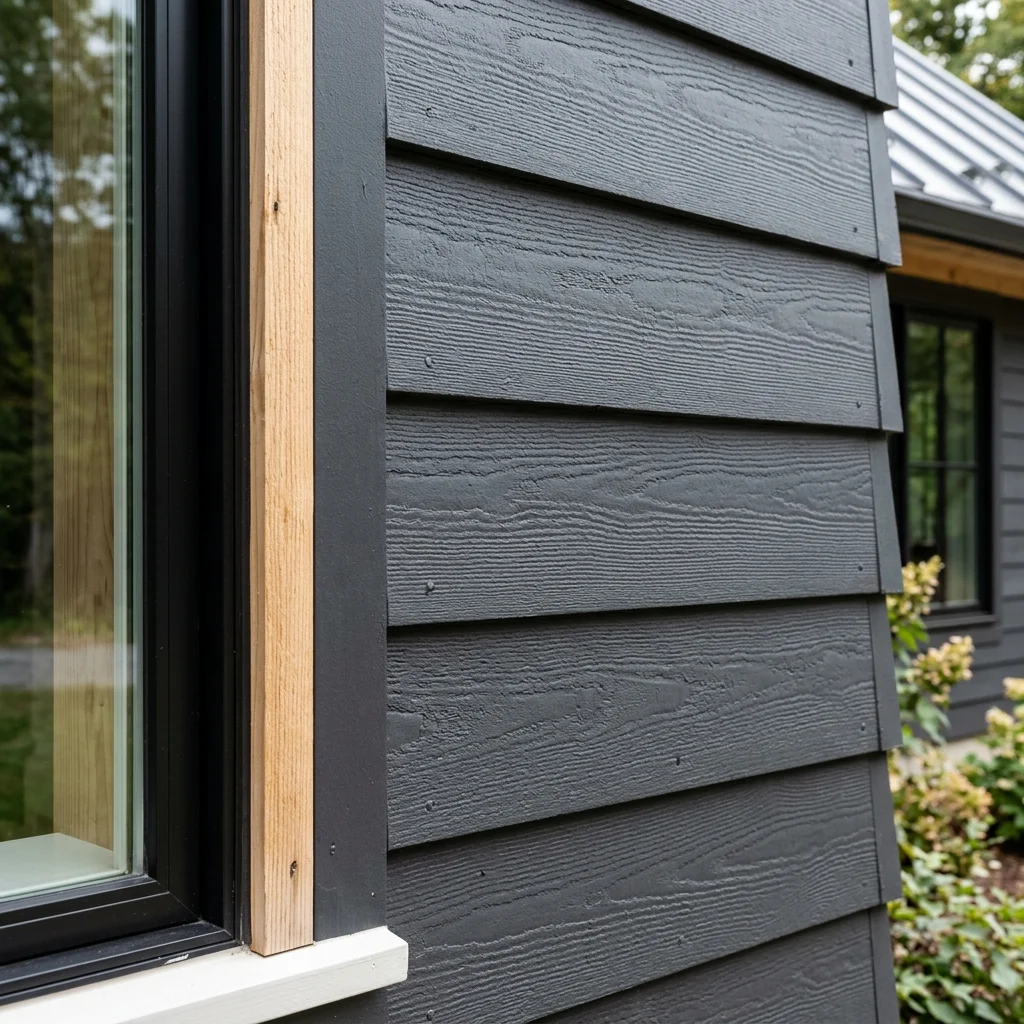
Fiber cement — most homeowners know it by the brand name James Hardie — is a blend of cement, sand, and cellulose fibers engineered to resist moisture, rot, insects, and fire. It holds paint far longer than wood and shrugs off NJ’s freeze-thaw cycles better than any other common material, which is why it’s increasingly the go-to for full renovations and new builds.
Natural Wood & Cedar Siding
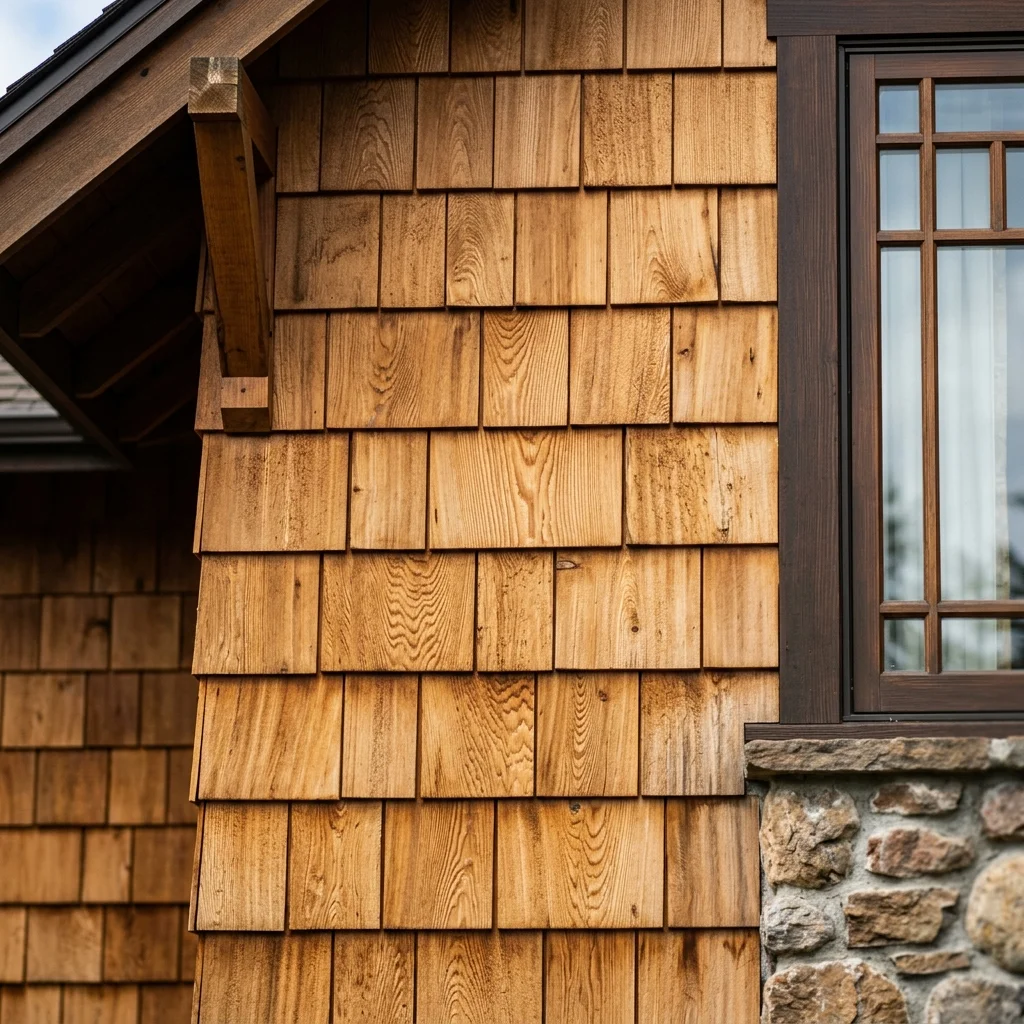
Nothing quite matches the warmth of real cedar or clapboard siding, and it’s a common choice for craftsman and colonial-style NJ homes. The tradeoff is maintenance: real wood needs repainting or restaining every 3–7 years and is more vulnerable to moisture and insects than manufactured alternatives.
Engineered Wood Siding
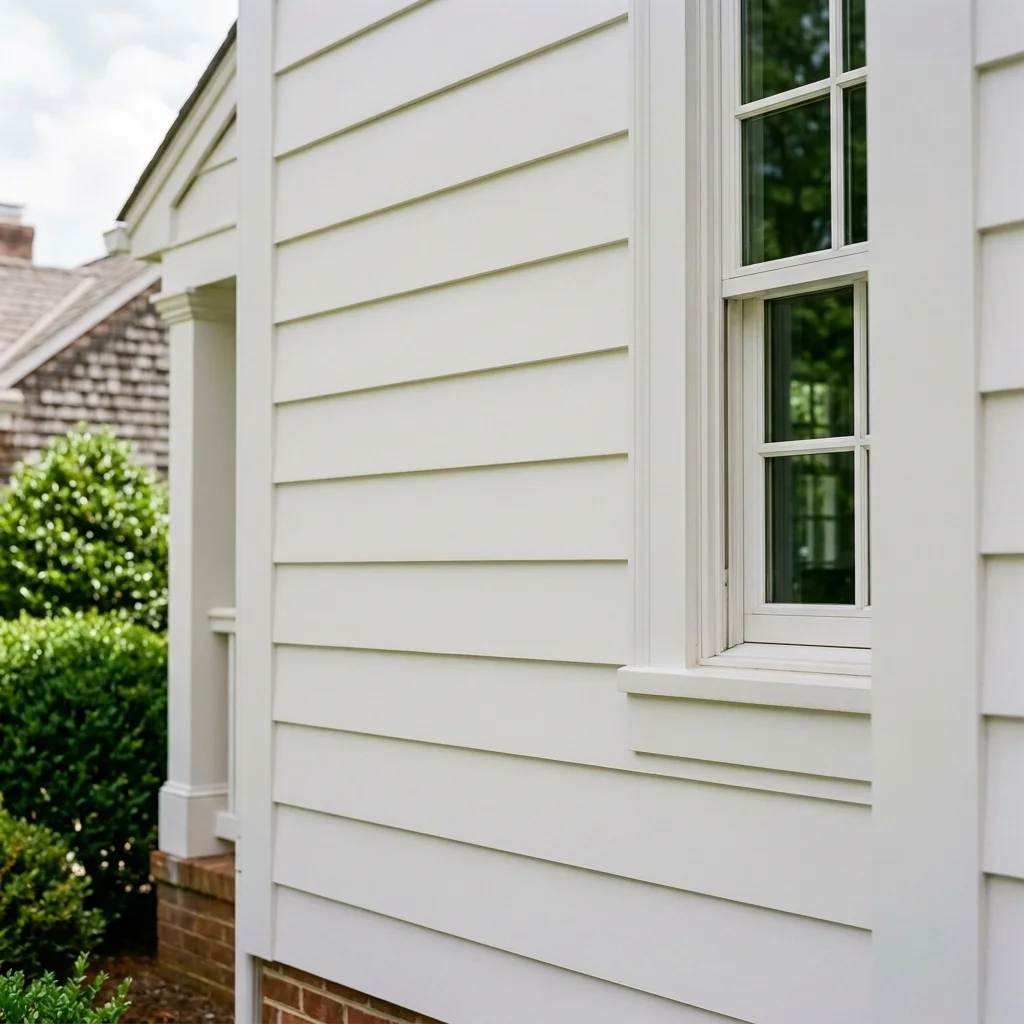
Engineered wood (like LP SmartSide) is made from wood strands bonded with resin and treated to resist moisture, fungal decay, and insects. It gives you the look and workability of real wood — you can nail, cut, and paint it the same way — at a lower price and with far less maintenance than solid lumber.
Stucco
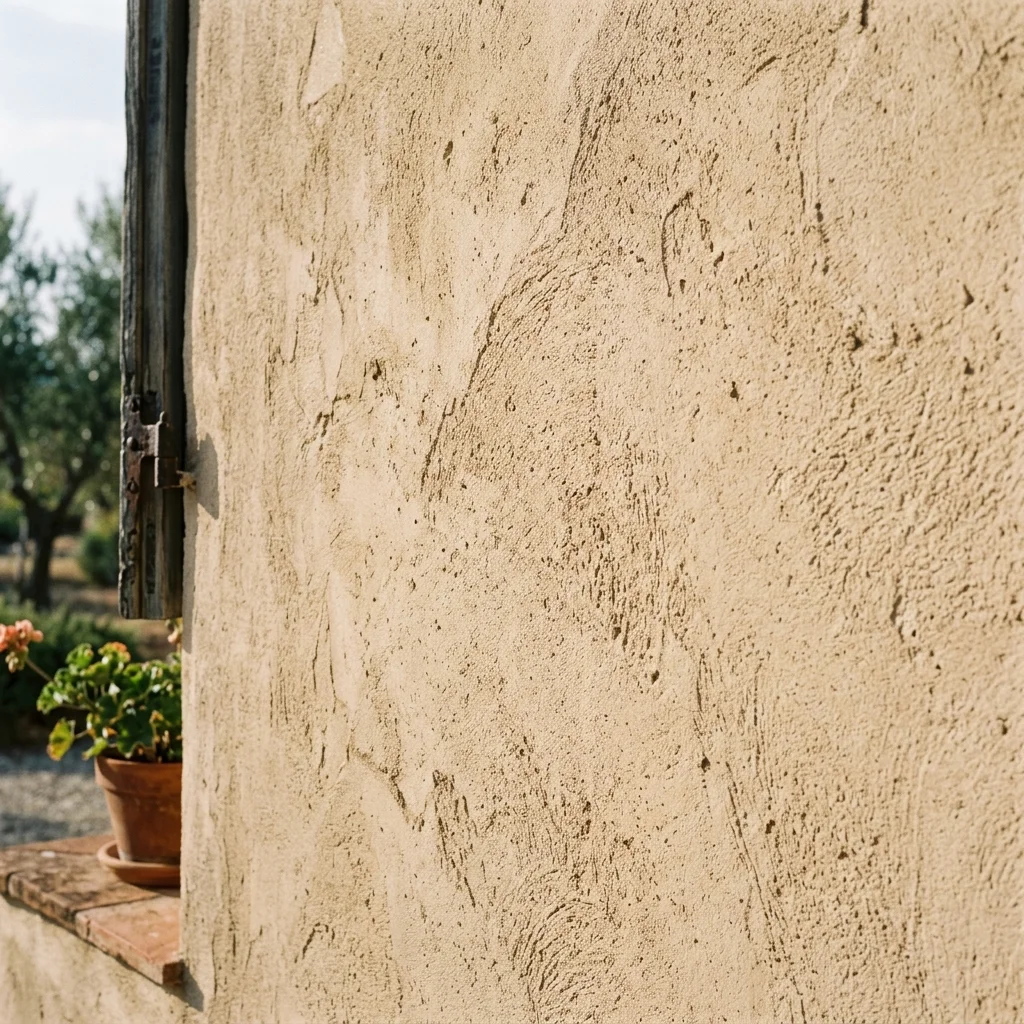
Stucco is a cement-based plaster troweled directly onto the wall in layers over a wire lath, rather than installed as individual boards or panels. It creates a smooth or textured seamless surface with no visible seams, and holds up exceptionally well when properly applied and sealed — though NJ’s freeze-thaw cycles make correct installation and moisture barriers critical.
Brick Veneer
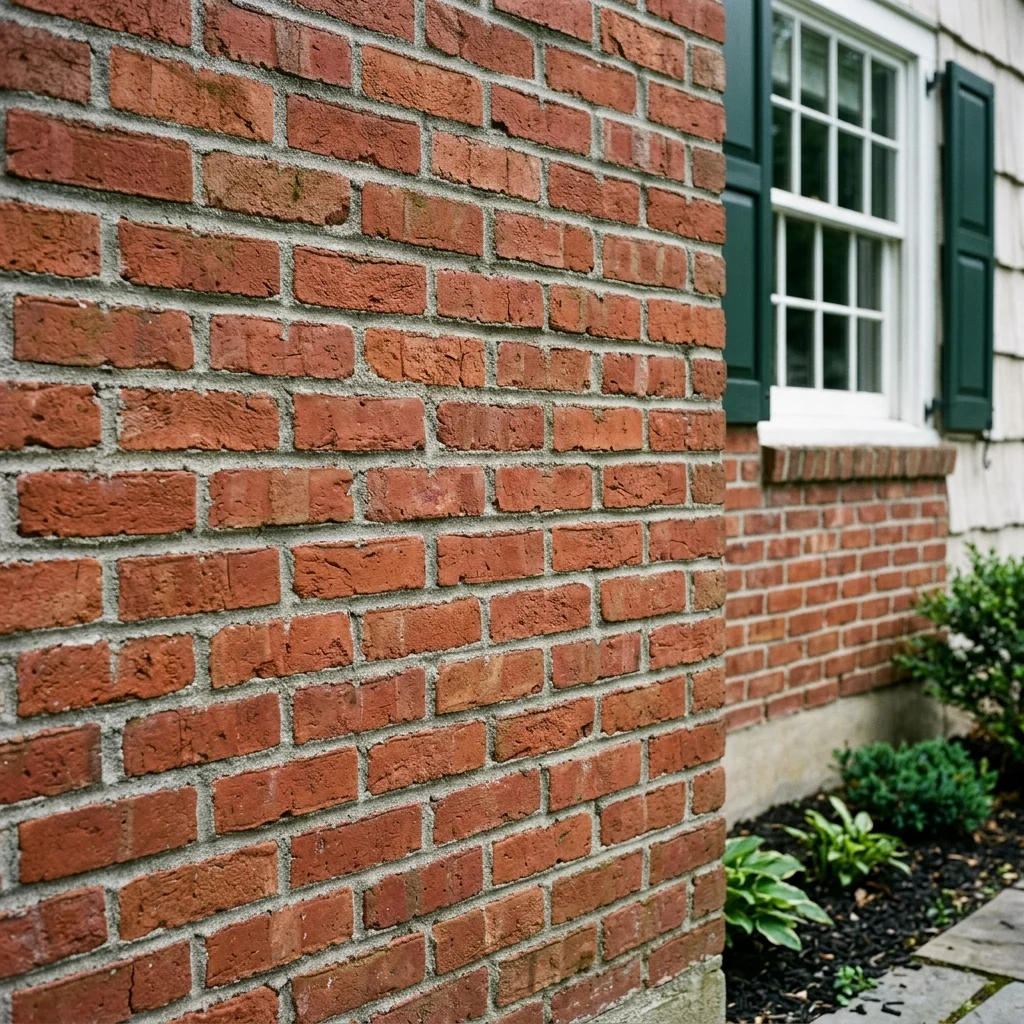
Brick veneer is a thin layer of real (or thin-cut) brick attached to the home’s existing wall framing — different from full structural brick construction, but giving the same timeless look. It’s a common choice for colonial and traditional New Jersey homes, and full-size brick veneer is among the most durable siding options available.
Stone Veneer
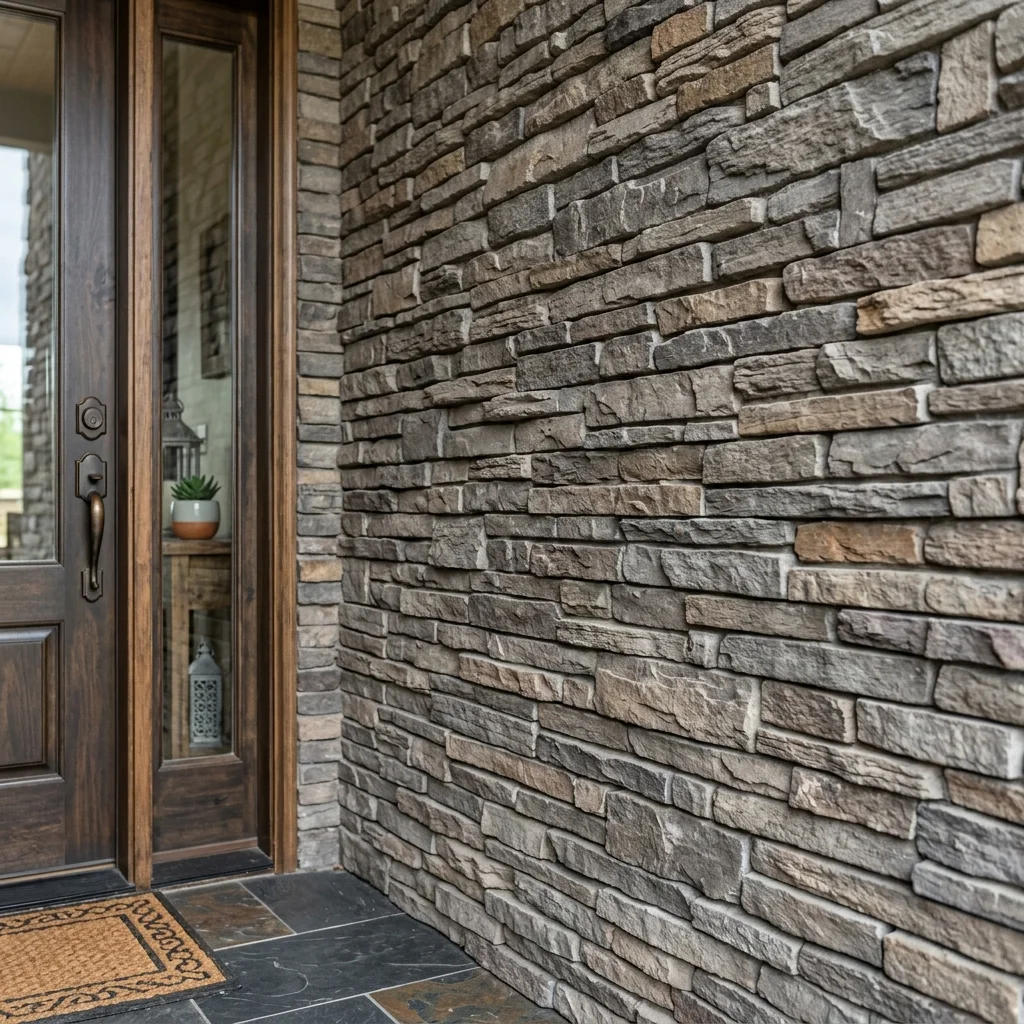
Manufactured (cultured) stone veneer is a lightweight concrete product molded and colored to look like natural stacked stone, installed over the wall sheathing. In New Jersey it’s most often used as an accent — a front entry, porch columns, or a lower wall band — paired with vinyl, fiber cement, or stucco on the rest of the home.
Metal Siding (Aluminum & Steel)
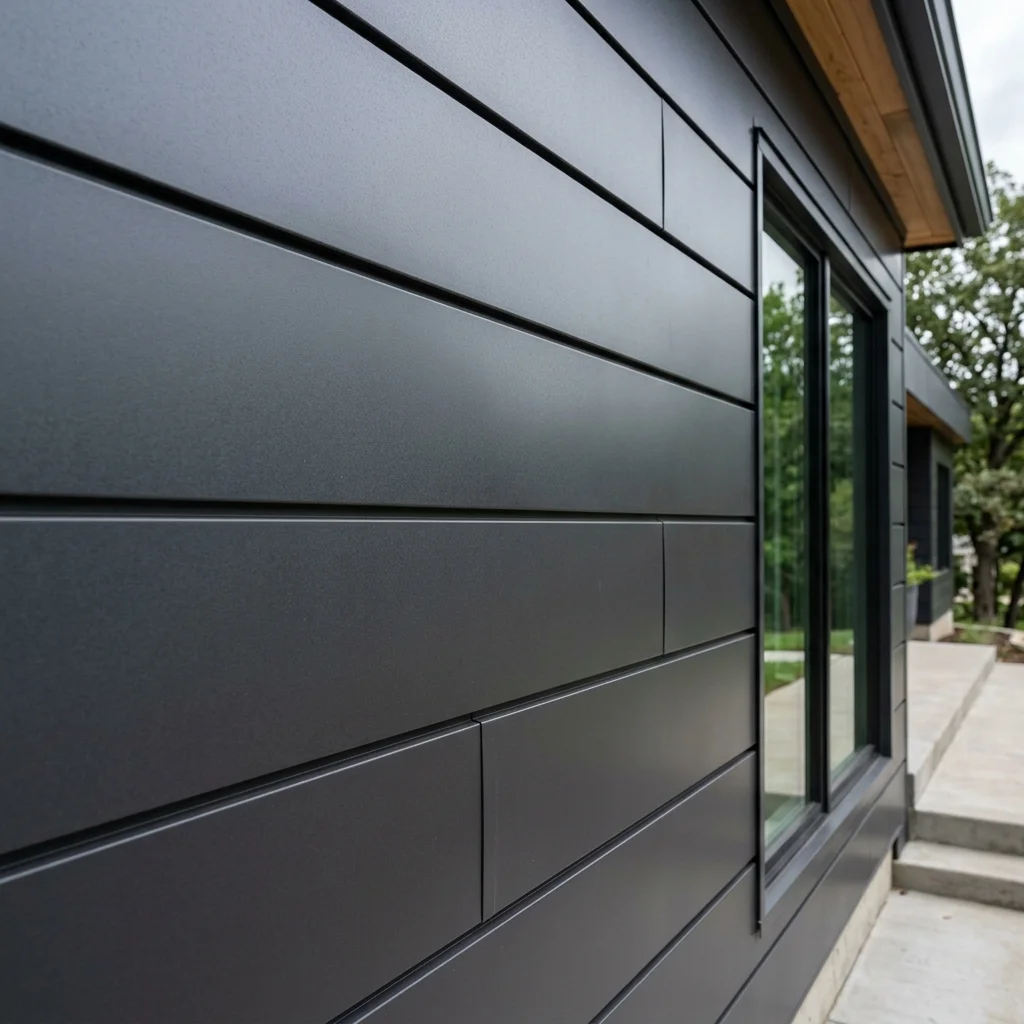
Steel and aluminum panel siding have moved beyond the industrial look and are now popular for modern and contemporary New Jersey homes, often mixed with wood accents. Steel is the stronger, more dent-resistant option; aluminum is lighter and naturally resists rust, though it dents more easily. Both are non-combustible and require essentially no maintenance.
Note: Many New Jersey homes mix materials — for example, fiber cement or vinyl on the main walls with a stone veneer or brick accent at the entry. Our Windows, Doors & Accessories team can help you plan an exterior package that combines materials for the right look and budget.
Not sure which siding fits your home and budget?Get a free, no-obligation exterior consultation.
Get My Free QuoteCost & Lifespan Comparison
Here’s a side-by-side look to help you budget for a typical 2,000 sq. ft. New Jersey home.
| Material | Cost per Sq. Ft. | Full Home Cost (2,000 sq. ft.) | Lifespan |
|---|---|---|---|
| Vinyl (standard) | $3 – $8 | $6,000 – $16,000 | 20 – 40 years |
| Vinyl (insulated) | $5 – $10 | $10,000 – $20,000 | 25 – 40 years |
| Engineered Wood | $5 – $10 | $10,000 – $20,000 | 25 – 40 years |
| Natural Wood / Cedar | $6 – $12 | $12,000 – $24,000 | 15 – 30 years |
| Fiber Cement | $8 – $14 | $16,000 – $28,000 | 30 – 50 years |
| Metal (Steel / Aluminum) | $6 – $16 | $12,000 – $32,000 | 40 – 70+ years |
| Stucco | $7 – $17 | $14,000 – $34,000 | 50+ years |
| Brick Veneer | $8 – $24 | $16,000 – $48,000 | 50+ years |
| Stone Veneer | $10 – $35 | $20,000 – $70,000 | 50 – 75 years |
Note: These are general planning ranges — your final number depends on your home’s size, trim detail, whether existing siding needs removal, and current material pricing. For a number based on your actual house, see our exterior services page.
How to Choose the Right Siding for Your Home
A few questions can quickly narrow the decision:
- How long do you plan to stay in the home? If you’re selling within 5–10 years, vinyl’s low cost and strong ROI make it hard to beat. If this is a forever home, fiber cement’s 30–50 year lifespan spreads the cost out further.
- What’s your maintenance tolerance? Vinyl and fiber cement are both low-maintenance. Real wood looks incredible but needs a repaint or restain roughly every 3–7 years to stay protected.
- What does your neighborhood or HOA expect? Historic districts and some HOAs in New Jersey restrict siding materials or require specific profiles — check before you fall in love with an option.
- Are you also replacing windows or doors? A full exterior refresh is the most cost-efficient time to update siding, trim, windows, and doors together — our window replacement cost guide and our window styles guide are a good next read if that’s on your list too.
- Is your roof due soon as well? Bundling siding with a roof replacement can save on scaffolding, permitting, and scheduling versus doing them as two separate projects.
Frequently Asked Questions
What is the most cost-effective siding for a New Jersey home?
Standard vinyl siding is the most cost-effective option at $3–$8 per square foot installed, and modern profiles look far better than older vinyl. Insulated vinyl costs a bit more but can reduce energy bills, often paying back the difference over time.
Is fiber cement siding worth the extra cost?
For most homeowners planning to stay long-term, yes. Fiber cement typically lasts 30–50 years versus 20–40 for vinyl, resists fire and insects, and holds up especially well against New Jersey’s freeze-thaw winters. The higher upfront cost is offset by fewer replacements over the life of the home.
Does new siding really increase home value?
Yes. Siding replacement is consistently ranked among the highest return-on-investment exterior renovations a homeowner can make, since it improves curb appeal instantly and signals to buyers that the exterior envelope is well maintained. Exact ROI varies by local market and material chosen.
How long does a full siding replacement take?
Most 2,000–2,500 sq. ft. homes take 3–7 days for a full re-side, depending on trim detail, whether old siding needs to be removed, and weather. Larger homes or complex rooflines with lots of corners and dormers can take longer.
Can I install new siding over my existing siding?
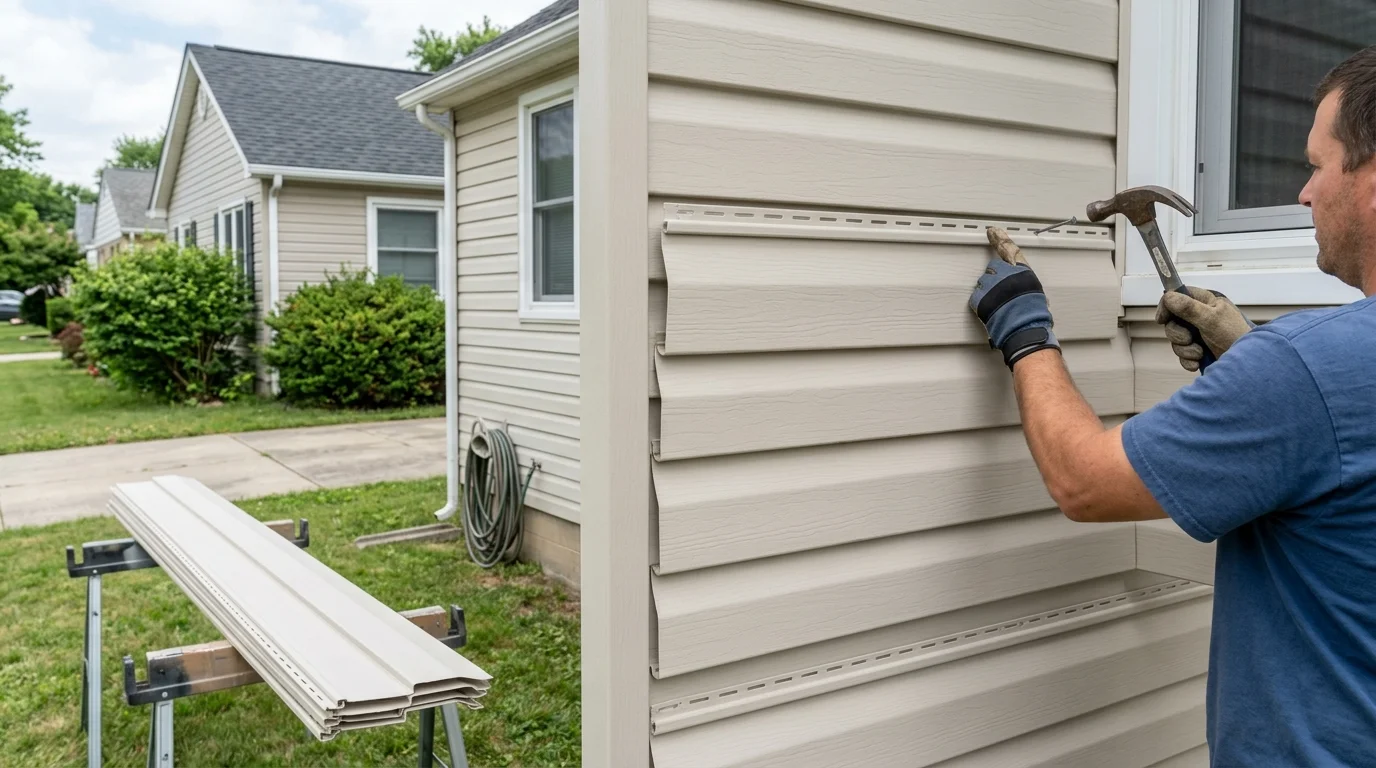
In some cases vinyl can be installed over existing siding, but we generally recommend removing the old material first. This lets your contractor inspect the sheathing for hidden moisture damage, add proper house wrap, and ensure the new siding lies flat — steps that get skipped when installing over an old layer.
Ready to Give Your Home a New Exterior?
From material selection to a clean, weather-tight install, our team handles every step of your siding project — with a clear, upfront quote before any work begins.
Fill out the form and get a custom siding estimate for your home today.