Hot water is one of the quiet workhorses of your home, and water heating accounts for roughly 14% to 18% of a typical utility bill. Most water heaters last about 10 to 15 years, so sooner or later every homeowner faces the replacement decision, often when the old tank springs a leak.
This guide compares the three most common water heater types for New Jersey homes in 2026, with installed costs, lifespans, efficiency, and where each one makes the most sense.
In This Guide
Key Takeaways
- Storage tank heaters have the lowest upfront cost and are the easiest swap, but they lose heat while they sit.
- Tankless units heat on demand, can last longer, and are roughly 8% to 34% more efficient, but cost more to install.
- Heat pump water heaters use 2 to 3 times less energy than standard electric models, but need the right space to work well.
- The best choice depends on your household size, fuel type, available space, and budget.
Why Your Water Heater Choice Matters
A water heater runs every day for a decade or more, so its efficiency affects your energy bills long after the installation. Size, fuel type, and available space also determine whether you get plenty of hot water or run out halfway through the second shower.
Replacing a failed unit is often urgent, but planning ahead gives you time to compare options. If you’re updating other home systems, our team can help you plan the work together.
Water Heater Types Compared
Here’s how the three most common residential water heater types stack up.
Storage Tank
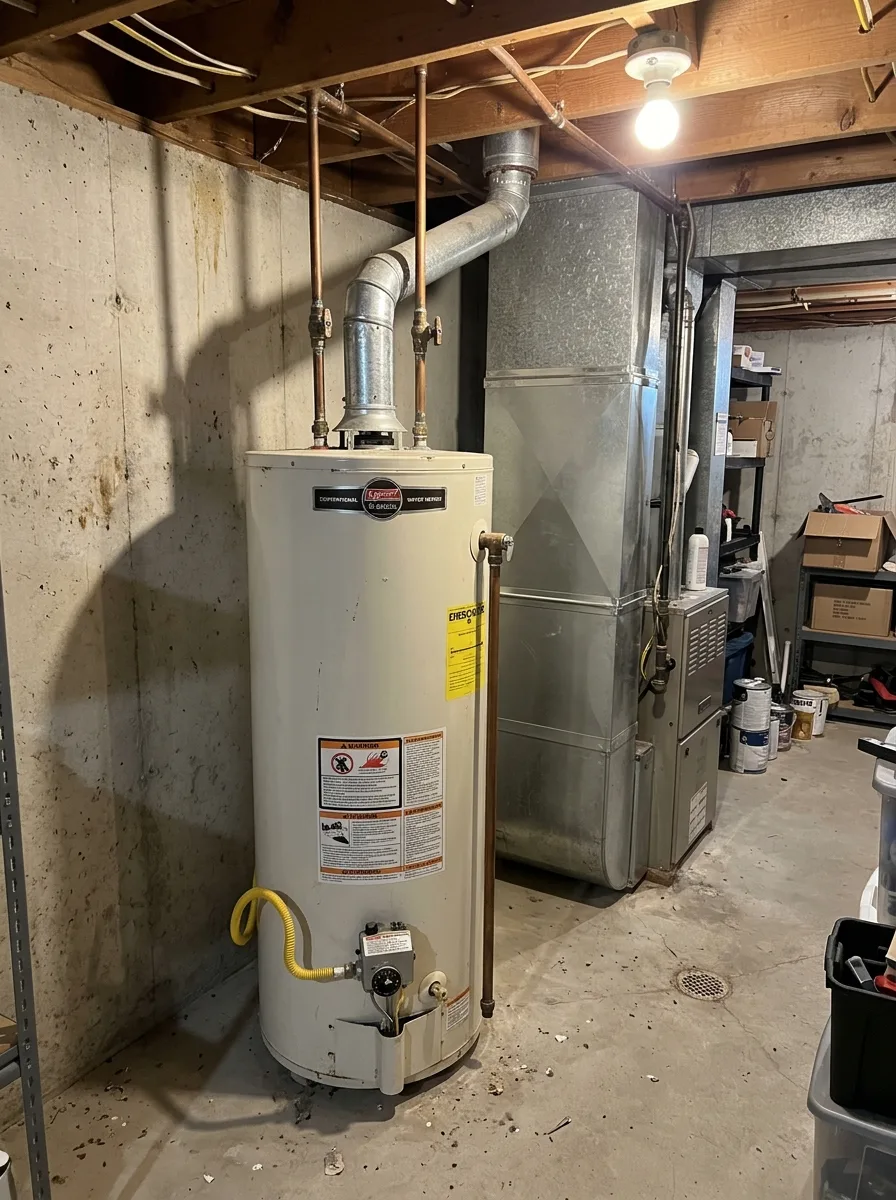
The traditional choice. A tank keeps a supply of hot water ready, so it can serve several uses at once, but it loses heat while it waits (standby loss) and can run out during heavy use. Available in gas and electric models.
Tankless
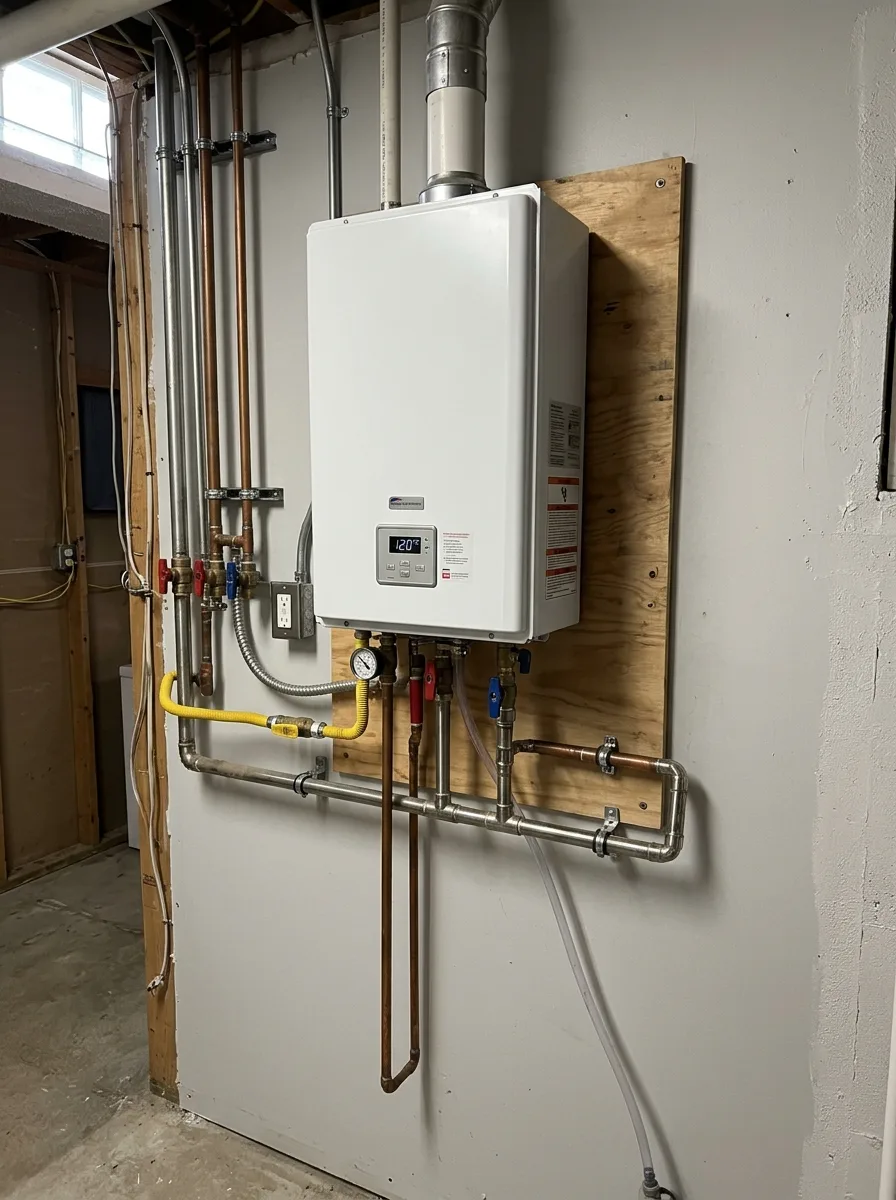
Heats water only when you need it, with no standby loss and an endless supply for a single use. Output is limited to roughly 2 to 5 gallons per minute, so larger households may need more than one unit, and installation costs more.
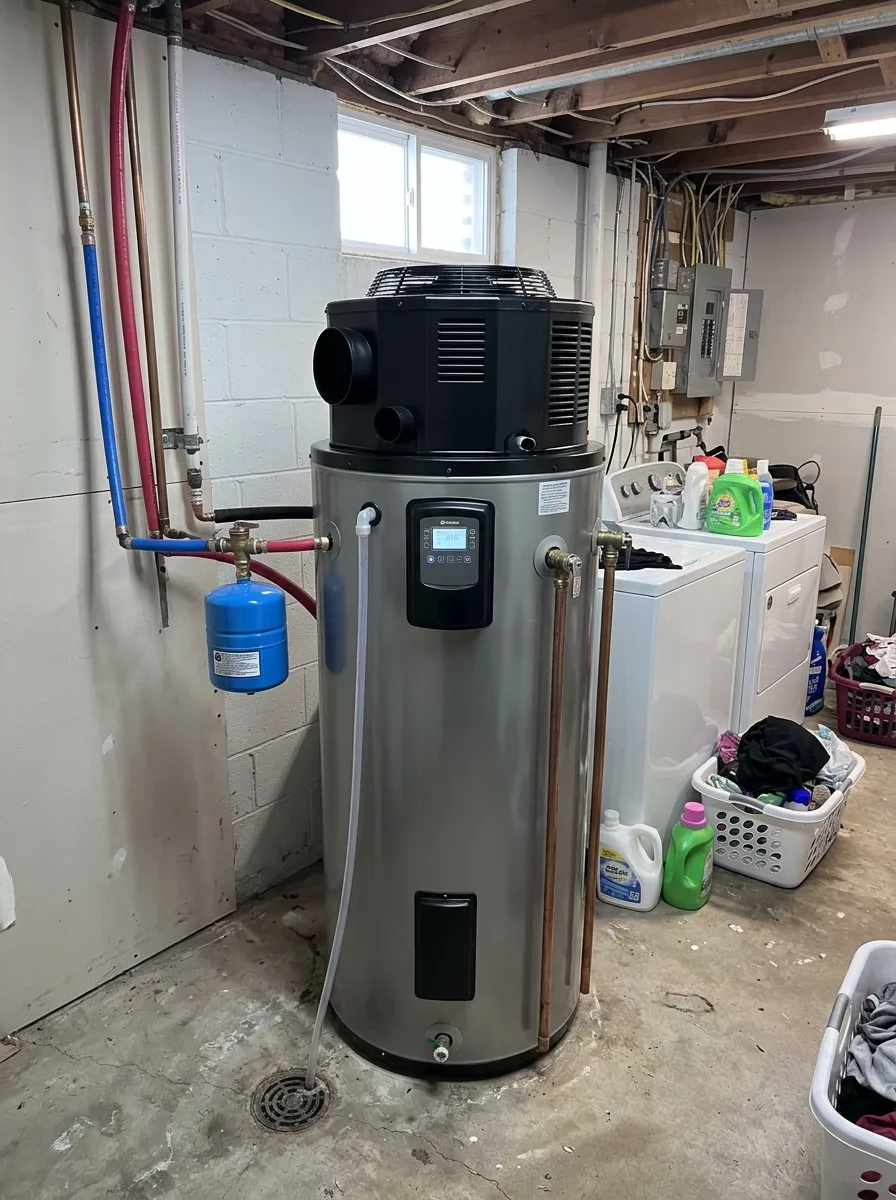
Heat Pump (Hybrid)
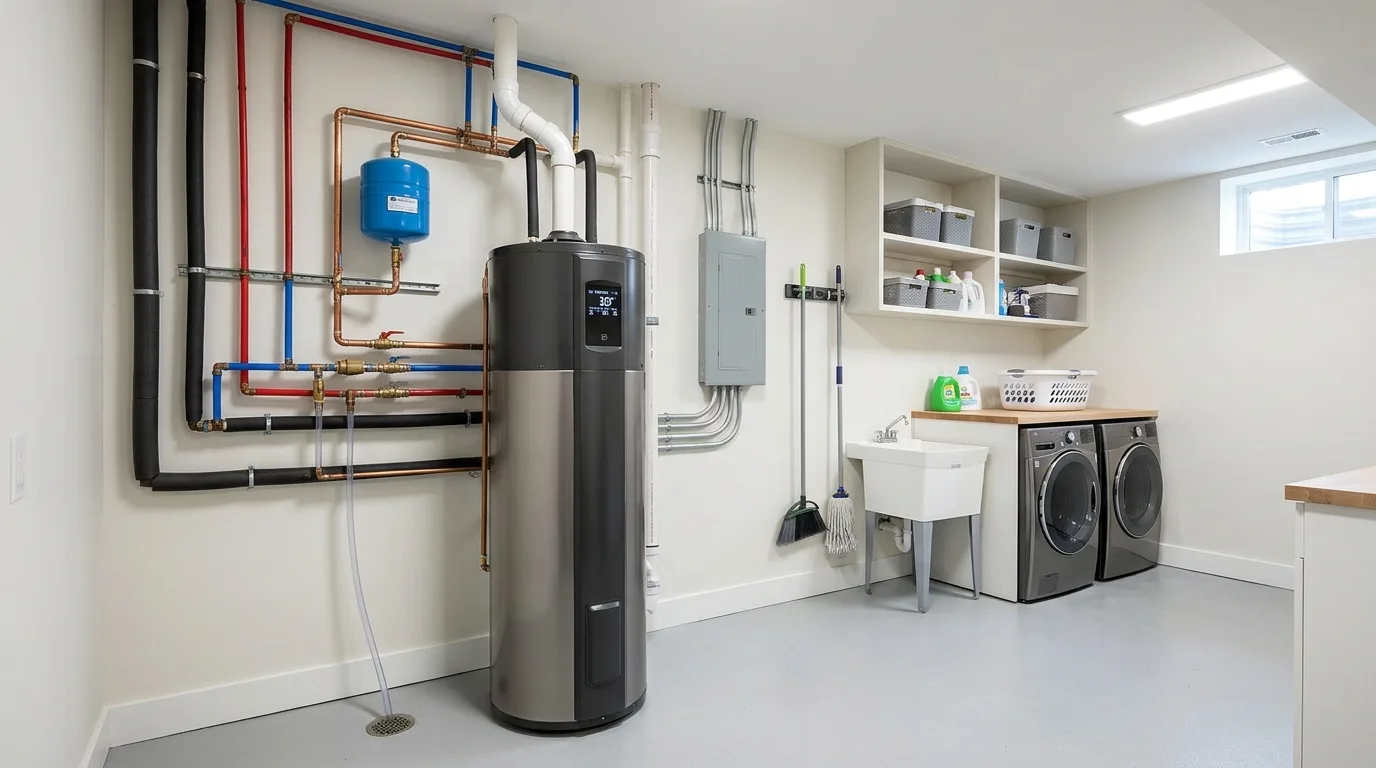
Moves heat from the surrounding air instead of generating it directly, using about one-half to one-third the energy of a standard electric tank. It needs a space that stays between roughly 40°F and 90°F and enough surrounding air, and it can cool the room it sits in.
Note: Sources vary widely on cost. Prices depend on tank size, fuel type (gas or electric), venting, gas line or electrical upgrades, and local permits. Installing a new type, such as switching from a tank to tankless, often costs more than a like-for-like swap.
Not sure which water heater fits your home and budget?Get a free, no-obligation consultation and quote.
Get My Free QuoteCost & Efficiency Comparison
Here’s a side-by-side look at typical installed costs, lifespans, and operating notes.
| Type | Installed Cost | Lifespan | Efficiency | Key Consideration |
|---|---|---|---|---|
| Storage Tank | $1,500 – $3,000 | 10 – 15 years | Baseline (standby loss) | Can run out of hot water |
| Tankless (Gas) | $3,300 – $6,250 | ~20 years | 8% – 34% better than tank | Higher upfront cost; limited flow rate |
| Heat Pump | $1,800 – $4,500 | 10 – 15 years | 2 – 3× electric tank | Needs space and moderate temperatures |
Note: Pricing and lifespan estimates vary by source, and the Northeast tends to run higher. Heat pump installed cost is an estimate based on published unit prices and typical installation. ENERGY STAR heat pump models can save up to roughly $300 per year on electric bills, and ENERGY STAR tankless models may save $100 or more per year. Rebates and tax credits change, so ask us about what is currently available. In New Jersey, gas tankless installs frequently land around $3,850 to $6,495 because of energy code compliance, specialized venting, and gas line pressure testing. Our team provides a full quote after a site visit.
How to Choose the Right Water Heater
A few questions can quickly narrow the decision:
- How many people live in your home? Larger households that use several fixtures at once may need a bigger tank or more than one tankless unit.
- What fuel do you have? Switching between gas and electric can require new venting, gas lines, or electrical upgrades, which add to the cost.
- Where will it go? Heat pump units need adequate air space and a moderate temperature, while tankless units can free up floor space.
- What’s your budget and timeline? A tank is the quickest, cheapest swap. Tankless and heat pump models cost more upfront but can reduce energy use.
- How long will you stay? The longer you stay in your home, the more time efficiency savings have to add up.
Frequently Asked Questions
How long does a water heater last?
A storage tank water heater typically lasts about 10 to 15 years, although some sources cite 8 to 12. Tankless models can last around 20 years with maintenance, and heat pump models are generally in the 10 to 15 year range.
How much does it cost to replace a water heater?
Installed costs range from roughly $1,500 to $3,000 for a storage tank and $3,300 to $6,250 for a gas tankless unit. In New Jersey, tankless installs often run higher, around $3,850 to $6,495, because of code-compliant venting and gas line requirements. Heat pump models generally fall in between. Fuel type, size, and installation complexity drive the final price.
Is a tankless water heater worth it?
It can be if you value endless hot water for a single use, a longer lifespan, and lower energy use. The higher upfront cost means savings take time to add up, and larger households may need more than one unit.
Is a heat pump water heater a good idea in New Jersey?
It can be a strong choice for homes with a suitable space, such as a basement that stays between about 40°F and 90°F. It can also add load to your heating in winter, so placement and climate matter.
What are signs my water heater needs replacing?
Common signs include rusty water, leaks or moisture around the tank, rumbling noises, inconsistent temperatures, and age past about 10 years. If you see water pooling, shut off the supply and call a professional.
Ready for a New Water Heater?
From choosing the right type and size to safe, code-compliant installation, our team handles every step of your water heater project, with a clear, upfront quote before any work begins.
Fill out the form and get a custom water heater estimate for your home today.