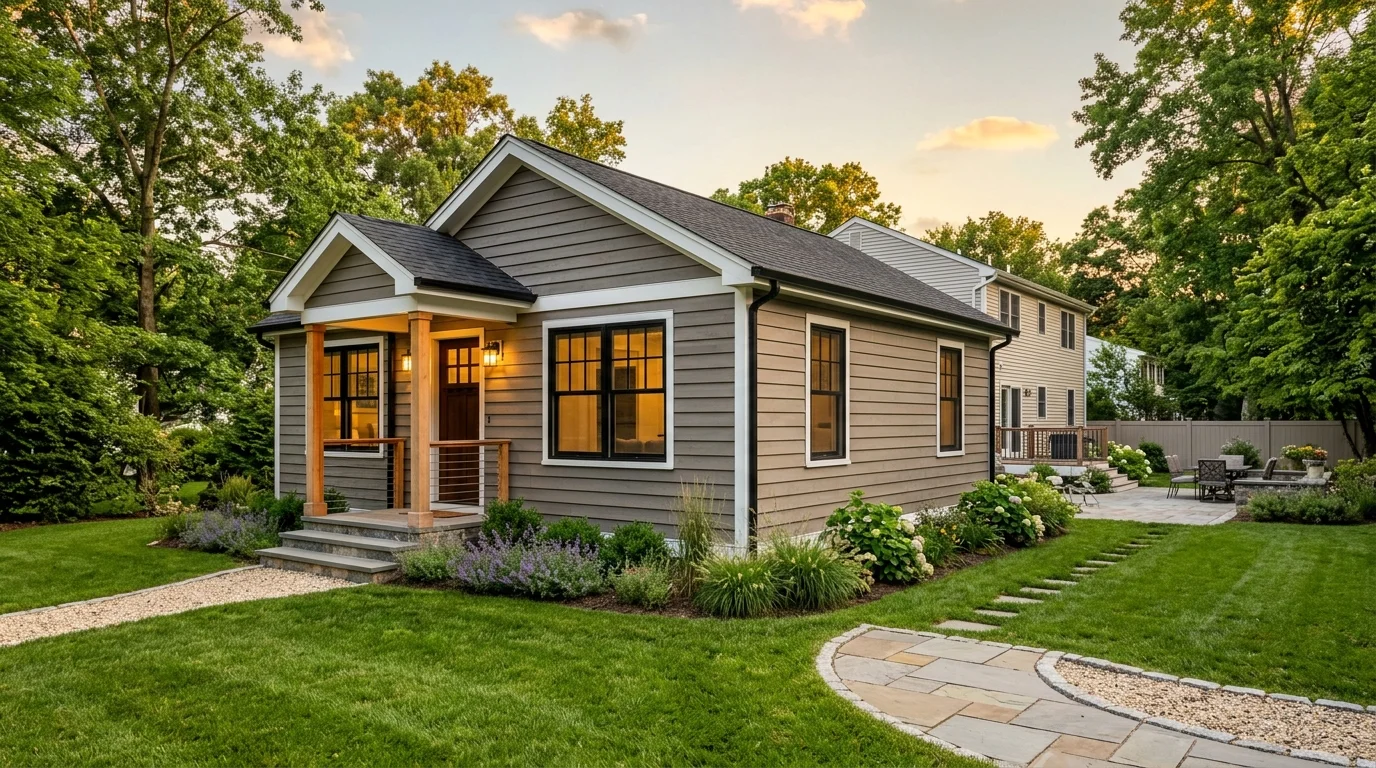
An Accessory Dwelling Unit — often called an ADU, in-law suite, granny flat, or backyard cottage — is a secondary, independent living space on a single-family property. More New Jersey homeowners are building them for rental income, multigenerational living, or simply to add long-term property value.
This guide breaks down the main ADU types, what each one really costs in 2026, how long construction takes, and the questions to ask before you commit.
In This Guide
Key Takeaways
- Garage and basement conversions are the most budget-friendly ADU types since they reuse existing structure and foundation.
- Detached new-construction ADUs cost the most but give you the most design freedom and privacy from the main house.
- Local zoning, setback rules, and utility hookups vary by township — checking these early avoids costly redesigns.
- Labor typically makes up 40–60% of total ADU cost, so an experienced local contractor matters more than material choice alone.
What Is an ADU?
An ADU is a fully self-contained living unit — with its own kitchen, bathroom, and entrance — built on the same lot as an existing single-family home. It can be a brand-new detached structure in the backyard, an addition attached to the main house, or a conversion of existing space like a garage or basement.
ADUs have become one of the most requested projects we see at Jazz Construction Group, largely because they solve several problems at once: extra income from a rental unit, a private space for aging parents or adult children, or simply more usable square footage without the cost of moving.
The Main ADU Types
Not all ADUs are built the same way, and the type you choose has the biggest impact on both cost and timeline. Here’s how the four most common approaches compare.
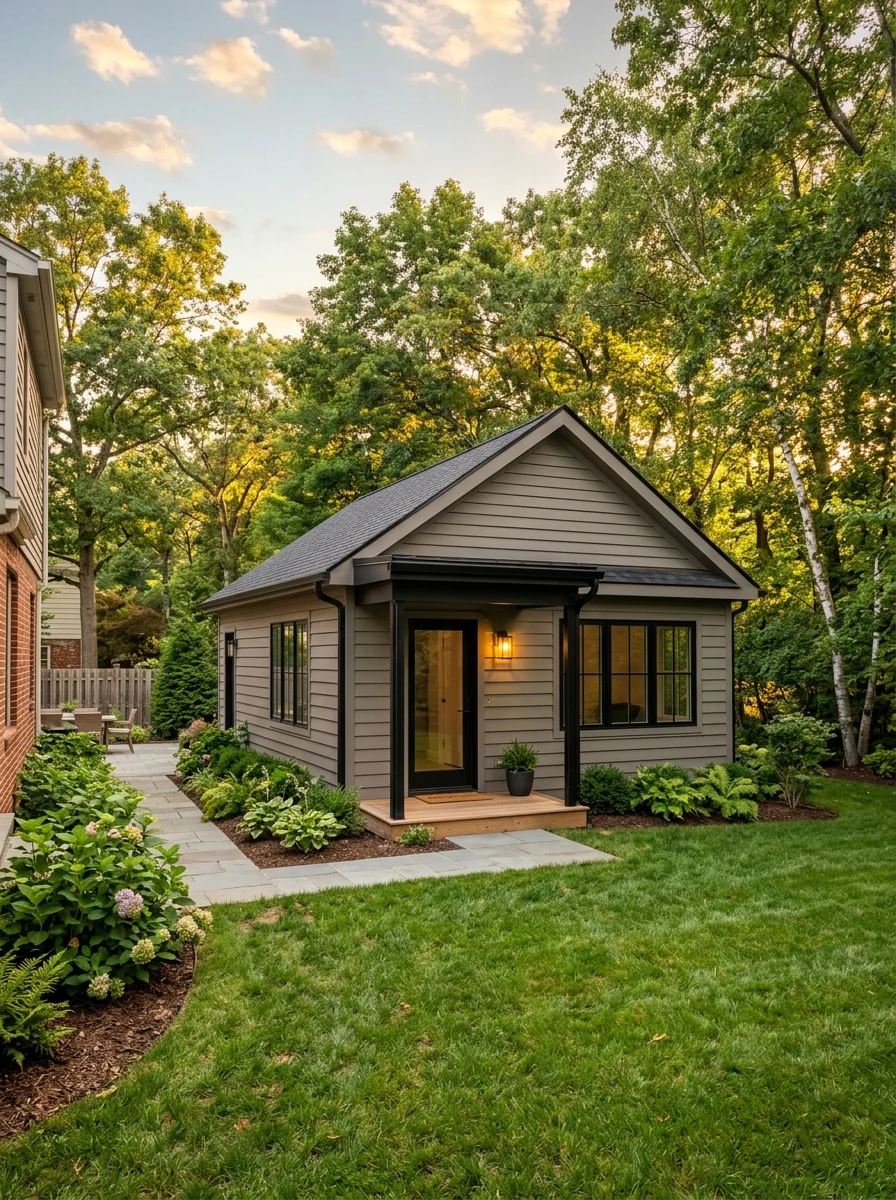
Detached New Construction
A standalone structure built from the ground up in the backyard or side yard. Offers the most privacy and design flexibility since it’s fully separate from the main house, but typically needs new utility hookups run to the site.
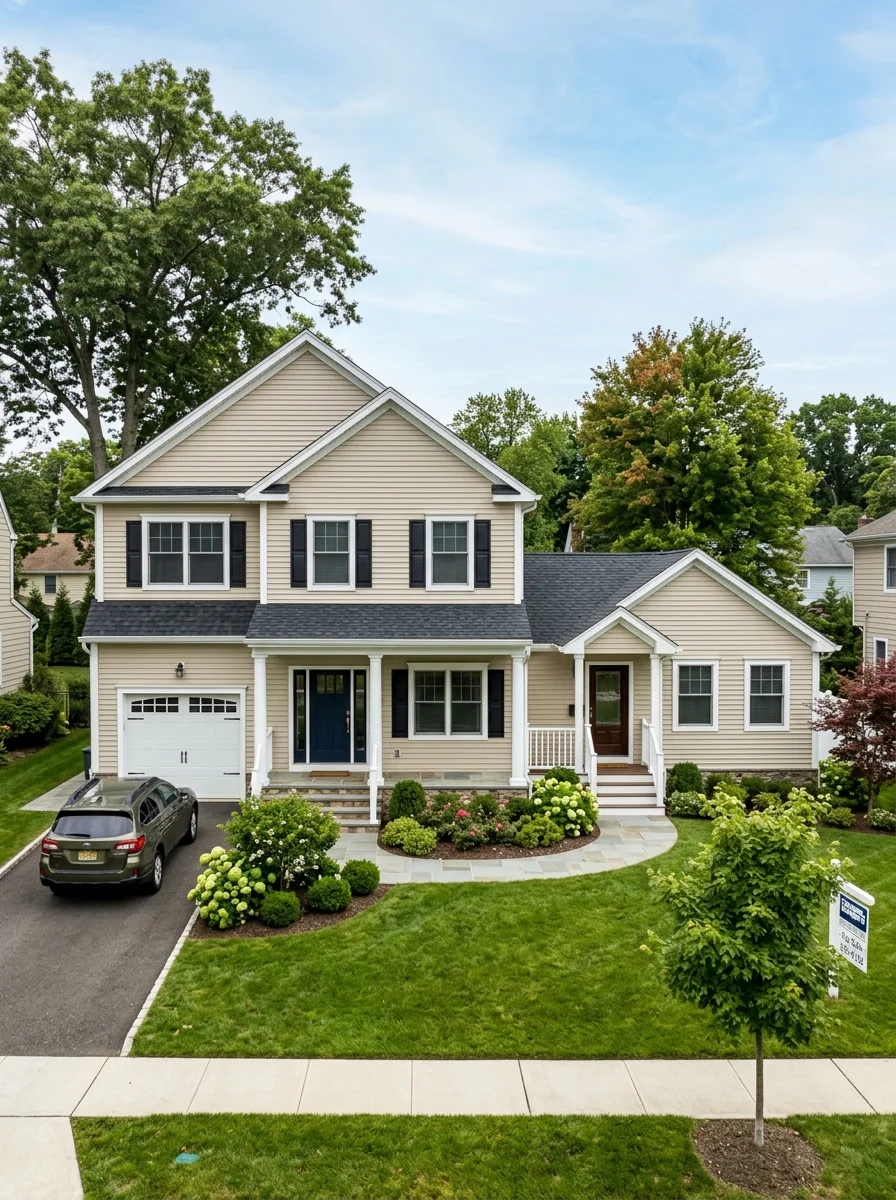
Attached ADU (Addition)
Built as an extension of the existing home, often sharing a wall or roofline. Can tap into existing utility lines, which trims some site-work cost compared to a detached build.
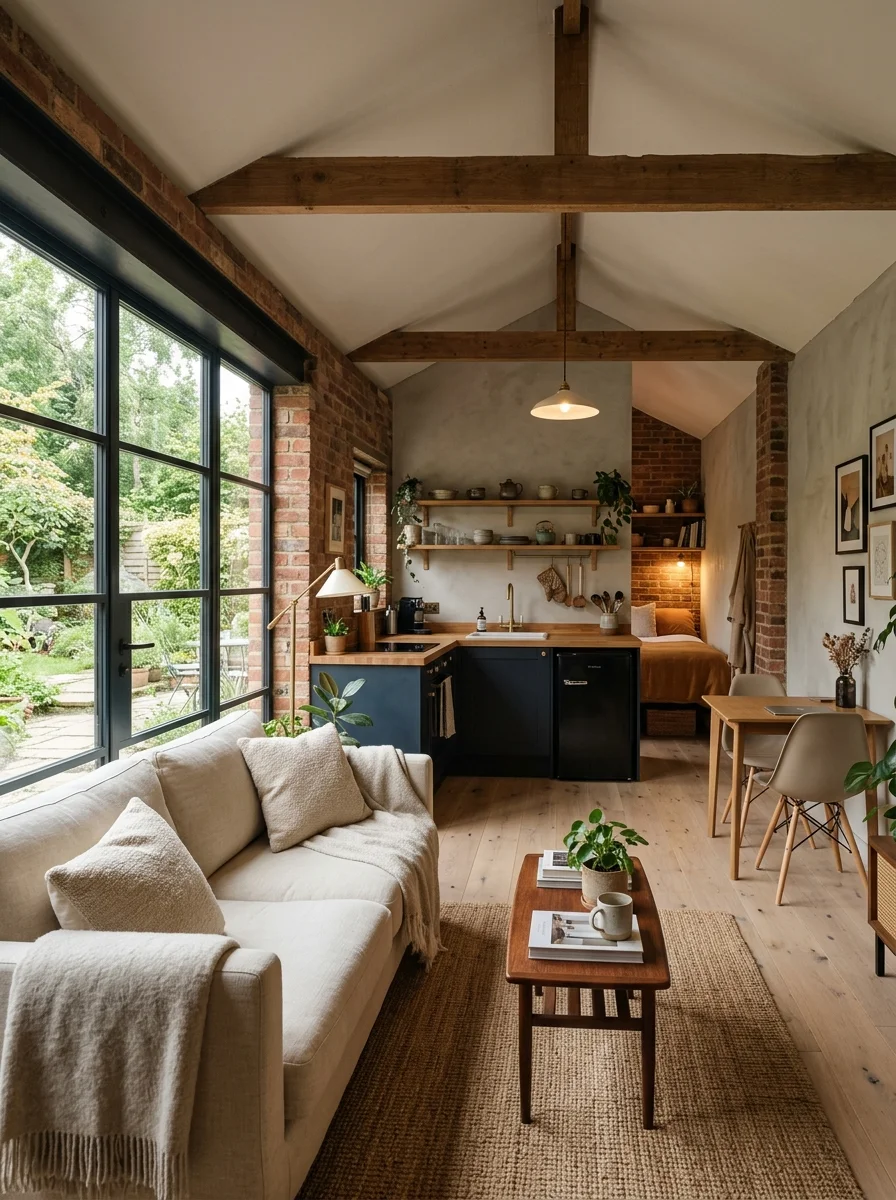
Garage Conversion
Transforms an existing attached or detached garage into living space. Reuses the foundation and shell, which keeps costs well below new construction.
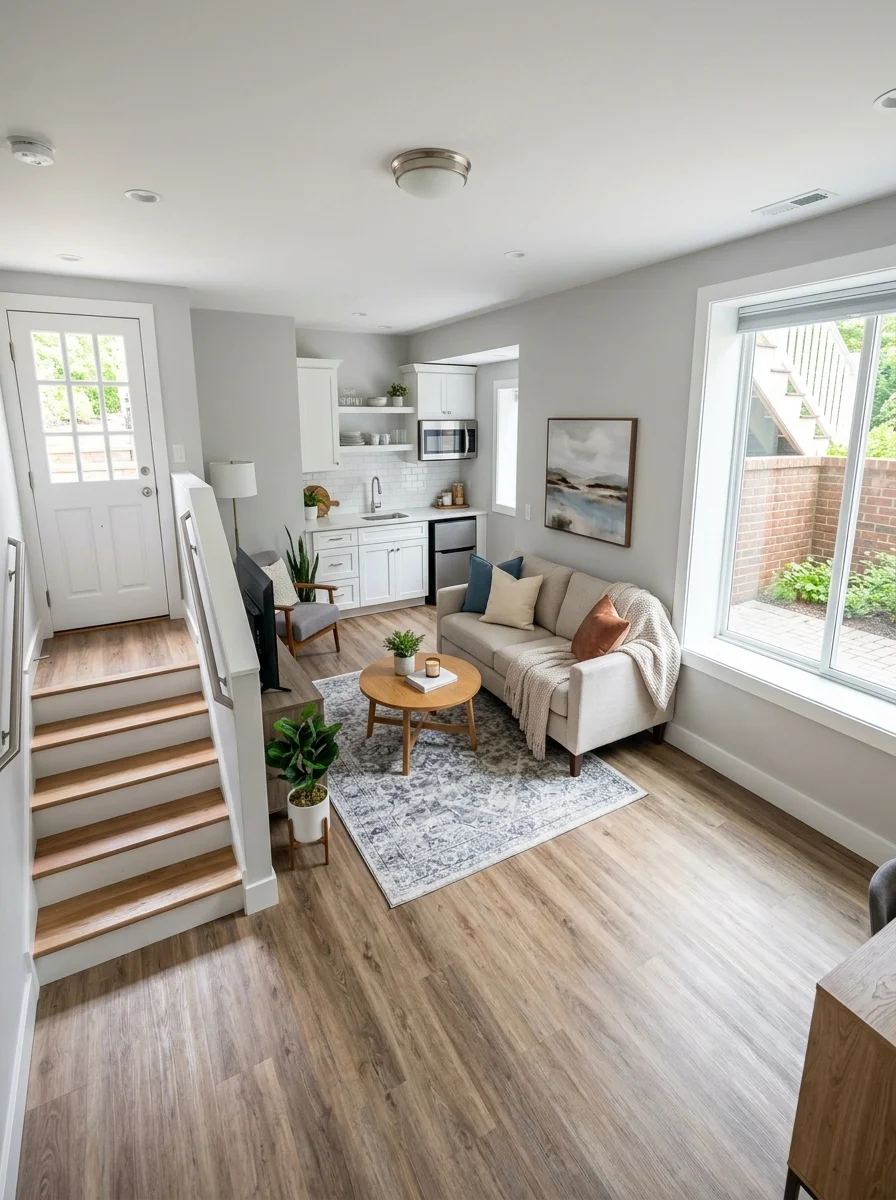
Basement Conversion
Finishes and separates existing basement space into a self-contained unit with its own entrance. Ideal for lots with little or no room to build outward.
Note: A prefab or modular ADU ($80–$160/sq. ft., 3–7 months) is also an option for some lots — our team can advise whether site-built or modular makes more sense for your property.
Save $2,500 on your ADU projectCurrently booking ADU projects — limited-time offer.
View the OfferCost & Timeline Comparison
Actual pricing always depends on your lot, finishes, and local permitting requirements, but here’s a realistic range for each ADU type based on current 2026 construction data.
| ADU Type | Cost per Sq. Ft. | Typical Total Cost | Timeline |
|---|---|---|---|
| Garage Conversion | $50 – $200 | $30,000 – $150,000 | 2 – 6 months |
| Basement Conversion | $50 – $100 | $30,000 – $150,000 | 3 – 6 months |
| Prefab / Modular Unit | $80 – $160 | $48,000 – $96,000 | 3 – 7 months |
| Attached ADU (Addition) | $125 – $225 | $75,000 – $216,000 | 5 – 10 months |
| Detached New Construction | $150 – $250 | $110,000 – $285,000 | 6 – 12 months |
Note: These ranges cover construction only — design fees, permitting, and site-specific utility work are additional. Our team provides a full project-specific quote after a site visit.
What Drives the Cost Up or Down
- Site work and utility hookups. A detached ADU often needs new water, sewer, and electrical connections run from the main house or street — this can add tens of thousands of dollars depending on distance and local utility requirements.
- Foundation type. Sloped, soft, or tight-access lots sometimes call for alternative foundation systems rather than a traditional poured footing. On sites like these, we often use helical piers, which install faster and with far less excavation than a conventional foundation — see our helical pier foundations guide for more.
- Finishes and size. A 1,200 sq. ft. detached ADU with high-end finishes can run two to three times the cost of a 500 sq. ft. garage conversion with standard finishes. Kitchen and bathroom fixtures are usually the biggest line items inside the unit itself.
- Permitting and zoning. New Jersey municipalities each set their own rules for ADU size limits, setbacks, parking requirements, and owner-occupancy conditions. Confirming what’s allowed on your lot before design work begins avoids expensive revisions later.
Is an ADU Worth It?
For most homeowners, yes — an ADU adds usable living space and long-term resale value, and in many cases it pays for itself through rental income over time. It’s also one of the more flexible ways to accommodate aging parents, adult children, or guests without giving up privacy in the main home.
The right type for your property comes down to your lot size, budget, and what you want the space for. A garage or basement conversion makes sense if you want the lowest upfront cost and already have usable structure to work with. A detached unit makes more sense if privacy, rental potential, or long-term flexibility matter most. If you’re also considering a larger addition, our home addition cost guide is a useful side-by-side comparison.
Frequently Asked Questions
Do I need a permit to build an ADU in New Jersey?
Yes. ADUs require building permits, and depending on your municipality, zoning approval as well. Requirements vary by township, including unit size caps, parking rules, and owner-occupancy conditions, so it’s worth checking with your local zoning office before finalizing a design.
What’s the cheapest way to add an ADU?
Garage and basement conversions are typically the most affordable, since they reuse an existing foundation and structure rather than building new from the ground up. Costs can run as low as $50 per square foot compared to $150–$250 for detached new construction.
Can I rent out my ADU?
In most New Jersey municipalities, yes, though some townships have owner-occupancy or rental restrictions tied to ADU approval. We recommend confirming local rules during the planning phase if rental income is part of your goal.
How long does it take to build an ADU?
Garage and basement conversions typically take 2–6 months from design to completion. Detached new-construction ADUs usually take 6–12 months once you factor in design, permitting, and full ground-up construction.
Does an ADU increase my property value?
Generally, yes. Added square footage and an independent living space are attractive to future buyers, particularly for multigenerational households or anyone interested in rental income. Actual value added varies by local market and ADU quality.
Thinking About Adding an ADU?
From garage conversions to full detached builds, our team handles every step of your ADU project — with a clear, upfront quote before any work begins.
Fill out the form and get a custom ADU estimate for your property today.