Fun fact: Did you know that new construction homes may be more affordable in terms of annual operating costs than previously built homes? That’s what a National Association of Home Builders (NAHB) 2021 study found when comparing new construction homes to homes built in the 1960s and earlier.
While this may sound obvious in hindsight, did you know that buying a new construction home may be a better investment in the long run than buying a previously owned home? Which type of home do you choose?
Jazz Construction here: we get it. Buying a new home is the opportunity of a lifetime.
But it can also be stressful, time-consuming, and challenging. If you’ve never built or bought a new home before, you probably have a ton of questions.
Feeling the pinch of finding your new home? Not to worry. This 11-step guide will walk you through what to expect as part of building and/or buying a new construction home.
If you’re thinking about a new home, this article is made for you. Let’s take a look at a few essential steps involved in buying a new construction home.
11 Steps for a smoother new construction home buying process
| 1. Step 1: Choose your new construction home 2. Step 2: Find a buyer’s agent, or reach out to your builder for recommendations 3. Step 3: Research which neighborhood you’d like to live in 4. Step 4: Opt for a lender that specializes in and knows new construction homes like the back of their hands 5. Step 5: Research prospective builders and choose the one that’s best for you 6. Step 6: Browse through your builder’s most recent construction developments 7. Step 7: Read through the fine print of your purchase agreement 8. Step 8: Explore all your options for style, appliances, items, and upgrades 9. Step 9: Create a plan for where you’ll live during construction 10. Step 10: Ensure you get your home inspected, and sign & review all applicable paperwork 11. Step 11: Conduct final walkthroughs and close out the new construction home process |
1. Decide which type of new construction home you’d like
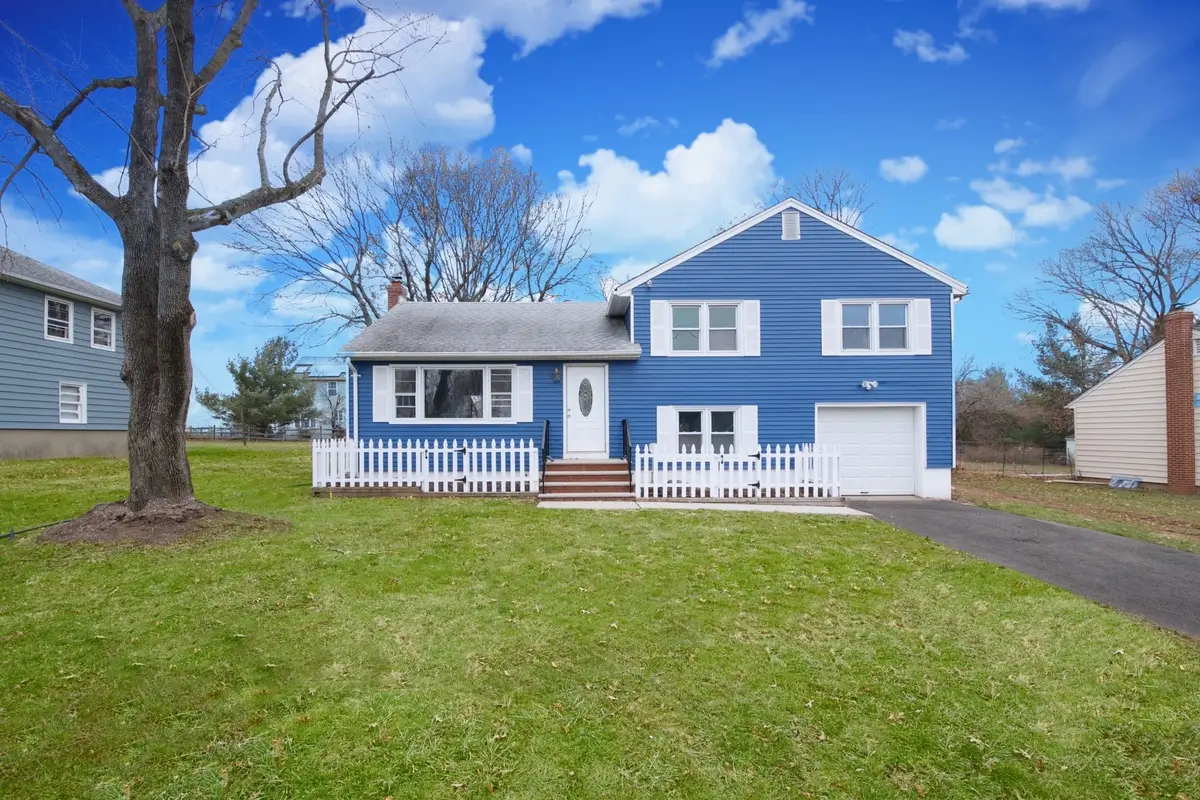
Buying a new construction home looks different depending on the home, the neighborhood, the developer, and whether you built a custom home on a pre-purchased empty lot. Some of the most common new construction homes include:
- Tract homes
- Spec homes
- Custom homes
Tract homes are homes that are built as part of a larger neighborhood development. These homes are often built on a large piece of land where a large complex of similar-looking homes is built to fill a new subdivision.
The advantages of choosing a tract home are that you’ll know exactly which features, floor plans, designs, and styles to choose from for their new home. Also, tract homes tend to be more affordable since they’re built in bulk, where building materials are discounted.
Similar to tract homes are spec homes. Spec homes are completed by builders, and these homes are move-in ready. The only difference is that you won’t have had the opportunity to be a part of the design process or choose the materials for the home.
Spec homes tend to be a smart option for those who want to buy a house, but don’t have the money to build a custom home from scratch.
Speaking of custom homes, they’rea another option for new construction homes. With a custom home, you’re in the driver’s seat. You choose the styles, designs, architectural blueprints, and every last detail of the home to make it your own.
The custom home-building process tends to be the most involved new home construction process of all three of these types of homes, but it’s also the best way to ensure you have everything you desire in your dream home.
2. Find a buyer’s agent — or consult your builder
If you’re choosing to buy a new construction home, you’ll want to choose a quality buyer’s agent or consult your builder. Both agents and home builders will work directly with you to find exactly what you’re looking for so that you get exactly what you dreamed of with your brand-new home.
What’s more, if you’ve found a home you really like, your team will work with you to ensure that you’re signing on to a home that meets your needs. Consider reaching out to your builders or real estate team to help you determine which new construction home is right for you.
3. Research which neighborhood you’d like to live in
Of course, a home isn’t a home if it’s not located in an area that suits your needs. You’ll always want to do your research when considering the location of your new home.
A few key considerations that might help you choose which location is best for your new home include:
- Proximity to your work location and local school districts
- Available grocery stores, restaurants, and modern-day conveniences
- Proximity to areas for recreation, like parks, pools, and playgrounds
- Available entertainment options (such as concerts, plays, sporting events, movie theaters, and more)
- Property taxes in the area
Your builder and real estate team can help you fine-tune a list of must-haves and optional items regarding where you want to live.
4. Choose a lender who works with new construction homes
If you’re like most people, buying a newly built home upfront with cash isn’t always an option. If you’re not paying cash for your new home, talk to your builder to determine which financing options are available. Many builders provide their own financing options.
Your builder will have long-standing partnerships with reputable banks and lending agencies who can help you decide what’s the most prudent and available option for purchasing your new home.
What’s more, new construction home loans are available. These loans are different from traditional mortgages, because instead of providing the entire loan amount at closing, the loan serves as a short-term loan.
Let us explain: with new construction home loans, you can release advances throughout the construction timeline to help you fund the new house. Furthermore, once the building is complete, the loan will be converted into a traditional mortgage, or your financing institution will ask you to apply for a traditional mortgage.
Either way, before signing with your lender, we can’t emphasize enough to you to do your research. Since you’re dealing with a six, seven, and eight-figure sticker price, you want to make sure the organization lending you money is stand-up, has a great reputation, offers exceptional client service, and is, above all, transparent.
In other words, at all stages of construction, you want all parties involved — including your financial lender — to be on the same page as you. Home loans should be one of the last items on your checklist you want to worry about on your new construction home journey.
5. Determine your builder
Whether building or buying a brand-new home, you definitely want to research who built the property. We recommend researching the builder’s reputation and credentials with reputable organizations such as the Better Business Bureau (BBB) or the state attorney general.
With the BBB or the state’s attorney general, you can also check whether complaints and positive testimonials were filed about the builder. Websites like Google Business Profile, Yelp, and Houzz often house (no pun intended) these reviews.
As part of your research, ask your prospective builder about their previous developments. Doing so will help you uncover strengths and areas for growth in their processes. Some builders may even have vacant or model homes you can explore free of charge.
In other words, before contracting out with a builder for a brand new home, do your research. Doing so will help you better understand the builder’s building process and the quality of the build.
6. Explore your builder’s recent construction developments
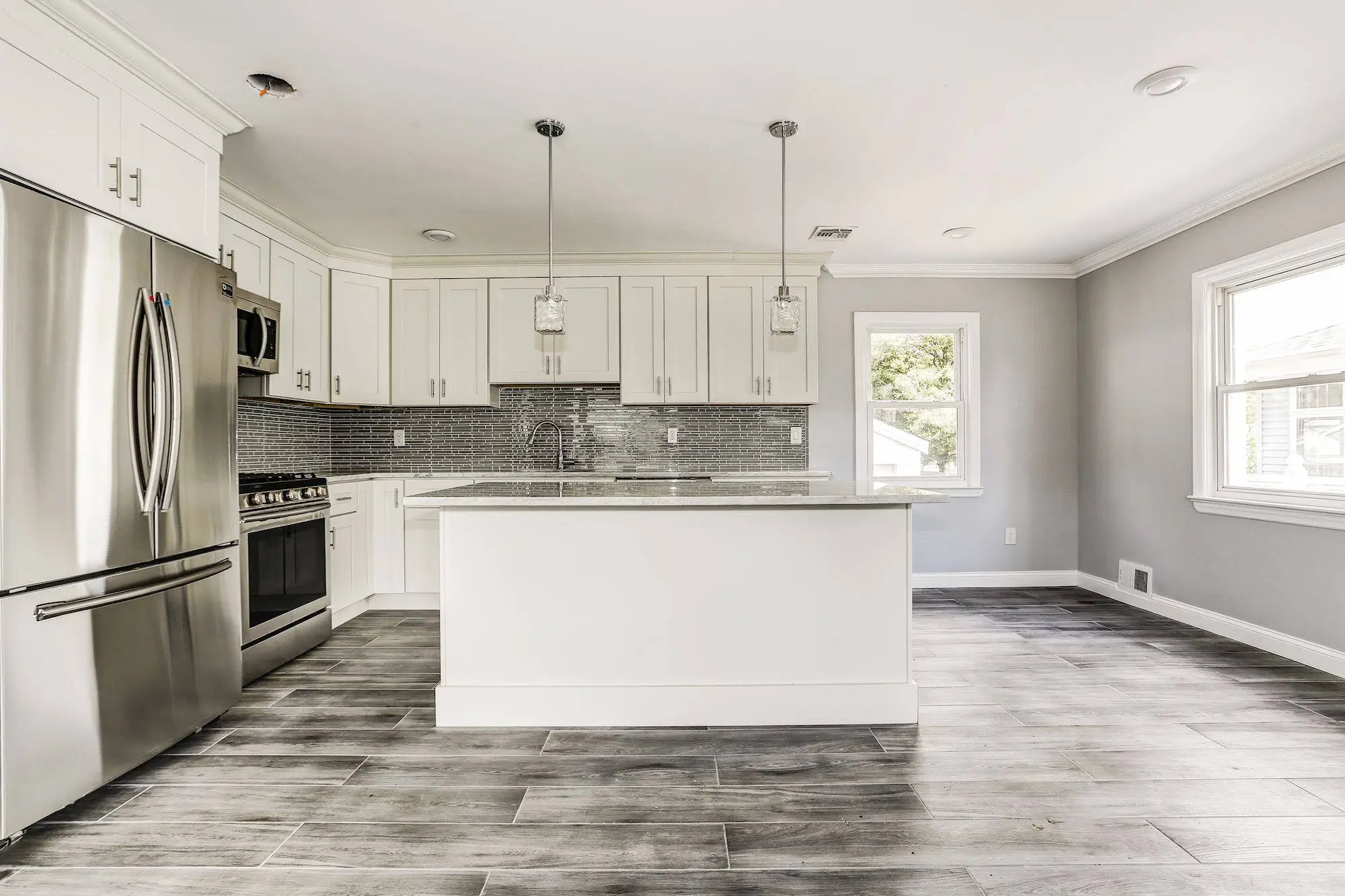
In general, two different ways exist for exploring what builders offer with their construction services.
- Design-first approach: You can opt for a builder with designs that you like before buying a plot of land in one of the developer’s construction developments
- Land-first approach: You can also opt for purchasing a piece of land in an area that you like. Then, search for builders who will design and build your house.
Keep in mind that many Homeowner’s Associations (HOAs) often regulate what you can and can’t do to the home’s exterior areas, like your lawn, driveway, and exterior trim. To help you make an informed decision, many prospective homeowners ask the home developer to provide a full overview of what the HOA mandates you can (and can’t) build on your property.
7. Comb through the fine print of your purchase agreement
When working with your new construction home team, discuss the purchase agreement and terms and conditions involved with their services. For example, what processes are in place in case changes need to be made? What happens if you want an alternative to the changes proposed by the building team?
We know reading the fine print can be tedious, but it pays in the long run. When you take the time to read through the copy, you save yourself time and money when you’re buying and building home systems.
8. Explore style options, items, and upgrades
To complement your newly constructed house, you’ll have your choice of some of the finest and most colorful style options, items, and upgrades. Your builder should walk you through the following options, at the very least, before purchasing or building a new construction home.
- Floor plans
- Square footage
- The number of levels, bathrooms, and bedrooms in the home
- Must-have interior design choices
- And more
While you’ll often sync up and align your vision with your builder, we recommend asking your builder if they have any model homes you can visit. A walkthrough of a model home can help you see what your preferred style looks like in real time, so you can ensure your new home aligns with your artistic vision.
Furthermore, a walkthrough can help you visualize what items like cabinetry, countertops, appliances, and light fixtures look like in action.
Notice something you want to upgrade? No problem.
Fully custom homes, especially new construction custom homes, can be easily altered. One of the benefits of new construction homes is the possibility for customization.
If you’re thinking of upgrading your home, you can always reach out to your builder. They’ll present a collection of upgrade options that reflects your vision.
Top-tier new construction builders will even include a pricing guide that lays out the costs of everything from added tiling options to artisan finishes. The key here is to stay in close communication with your builder when embarking on a new build.
9. Create a plan for where you’ll live during construction
New construction homes offer so much potential for easy, peaceful, and quiet living — but only after the build is complete. In the meantime, while it’s being built, the home can be quite noisy. We recommend being proactive about finding where you’ll stay during the construction process.
- If you own an existing home, start by reaching out to your builder and real estate team to help sell your existing home in time to move into your new construction home.
- Give yourself plenty of time to find temporary housing and storage for your belongings.
- Give loved ones and your hosts plenty of advanced notice before making your move.
By following the above guidelines, you can reduce as many unknowns as possible and finish the building and buying process according to established timelines.
10. Ensure your home is inspected before signing and reviewing paperwork
That’s right. Even brand-new houses need touching up.
The final stages of buying a new construction home include conducting a home inspection. Together with your builder, you’ll develop a list of tasks that need to be fixed before the new construction build is complete. The list of these tasks is called a punch list.
Once the punch list is complete, ensure your home is inspected once more before dotting any “i’s” or crossing any “t’s” on new construction home paperwork.
11. Conduct final walkthroughs and complete the new construction home process
Before making a new home purchase, you’ll need to conduct final walkthroughs to determine which items in the home must be fixed. Once those items are determined, you’ll sign two types of builder warranties:
- Implied warranties: Implied warranties cover any defects that can impact the quality and safety of living in the new home.
- Express warranties: Express warranties spell out problems that a builder is responsible for fixing.
After the walkthroughs are conducted, the punch list items are resolved, and warranties are signed, you’ll be given the keys to your beautiful new home.
And voila! Your new construction home is ready for living.
Spotlight on buying new construction homes — the Jazz way
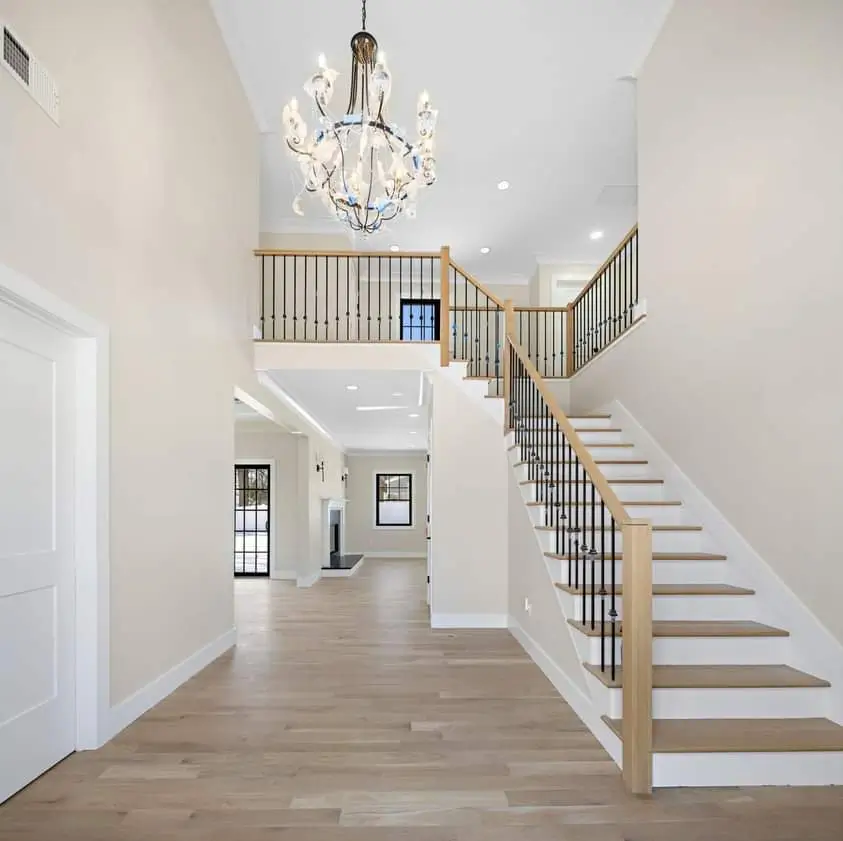
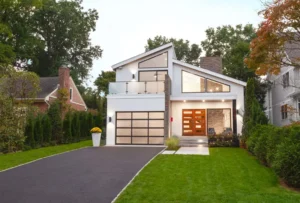
We’re all about celebrating the old and bringing in the new. As we close out another year, we wanted to share some of our favorite construction projects with you.
Any design aspects stand out to you? Check out our favorite builds here.
How to choose whether to build a new construction home

Builders typically build and sell tract, spec, and custom homes, but you’ll also see builders doing design-bid-build and design-build construction projects. With different homes and construction project delivery practices available, how do you choose whether a new construction home or a previously built home is best for you?
The best way is to speak with the builders themselves. When you reach out to a licensed and insured construction builder, you’ll gain a clearer understanding of their capacities, abilities for customization, financing solutions, and pricing packages.
Not sure where to start? Have a look at our website. It’s packed with information about pricing, financing, and new construction packages.
For more than 20 years, we’ve built custom, semi-custom, and spec homes — and we’re not slowing down anytime soon.
For expert advice about buying a new construction home — or to discuss a construction project with our knowledgeable contractors — don’t hesitate to contact us. We’d be more than happy to help.
We hope you enjoyed this guide, and we’d love to hear what you think of it! Until then, be well, and best of luck with your new home.