You can install the finest luxury vinyl flooring, wire a state-of-the-art home theater, and build a beautiful wet bar, but if your basement is freezing cold, no one is going to want to spend time down there.
Basements are naturally chilly because they are surrounded by earth that stays around 50 to 55 degrees Fahrenheit year-round. Plus, heat naturally rises to the upper floors of your home. If you want a truly comfortable living space, you need a proactive heating strategy.
At Jazz Construction Group, we ensure every basement renovation is as comfortable as it is beautiful. From traditional ductwork to luxurious heated floors, here are the four best ways to heat a finished basement.
1. Extending the Existing HVAC System
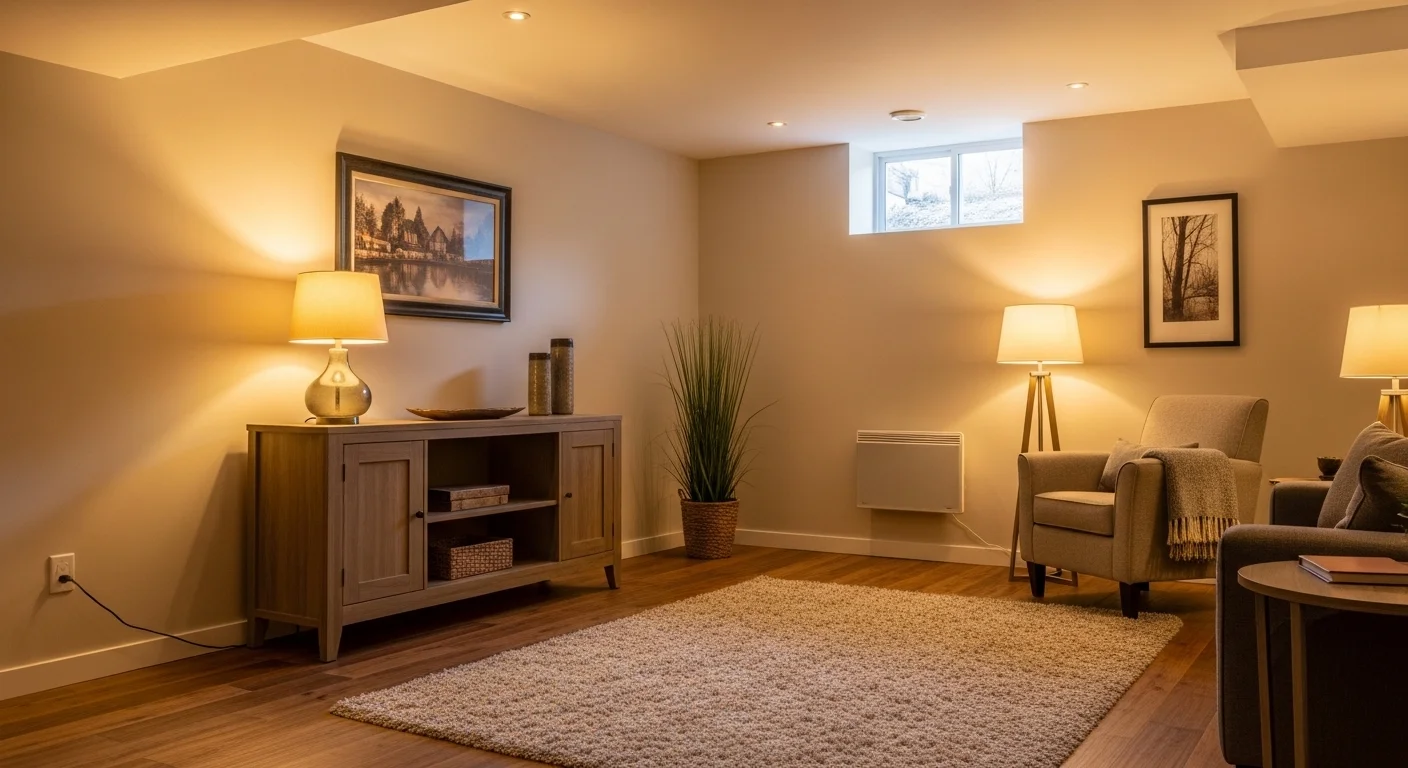
The most common approach is to tap into your home’s existing forced-air furnace. Since the ductwork is already running through the basement ceiling to serve the floor above, an HVAC technician can cut into the main trunk line and drop new supply registers into the basement.
- The Pros: It is usually the most cost-effective solution if your existing furnace is large enough to handle the extra square footage. It also provides air conditioning in the summer.
- The Cons: Your basement will be tied to the main floor thermostat. Since the upstairs heats up faster, the furnace may shut off before the basement is fully warmed. Furthermore, adding ductwork might require you to lower portions of your ceiling with bulkheads.
2. Electric Baseboard Heaters
Electric baseboard heaters are individual heating units installed along the bottom of the walls. They pull cold air in from the floor, heat it over metal fins, and push it up into the room.
- The Pros: Very inexpensive to install. They operate on their own thermostats, giving you precise, zoned temperature control specifically for the basement.
- The Cons: They take up valuable wall space, meaning you cannot place furniture flush against the wall where a heater is located. They are also the most expensive option to operate on your monthly electric bill.
3. Radiant In-Floor Heating: The Ultimate Luxury
If you have ever stepped out of a shower onto a warm tile floor in the dead of winter, you know the magic of radiant heating. This system involves laying electric heating mats or hydronic (hot water) tubes directly over the concrete slab before the final flooring is installed.
- The Pros: Unmatched comfort. Heat radiates upward, warming your feet first and creating an incredibly even temperature throughout the room. It is completely invisible, makes no noise, and doesn’t blow dust or allergens around.
- The Cons: High upfront installation cost. It also pairs best with ceramic tile, stone, or specific types of engineered wood. It cannot be used effectively under thick plush carpet, as the carpet acts as an insulator, trapping the heat in the floor.
4. Ductless Mini-Split Systems
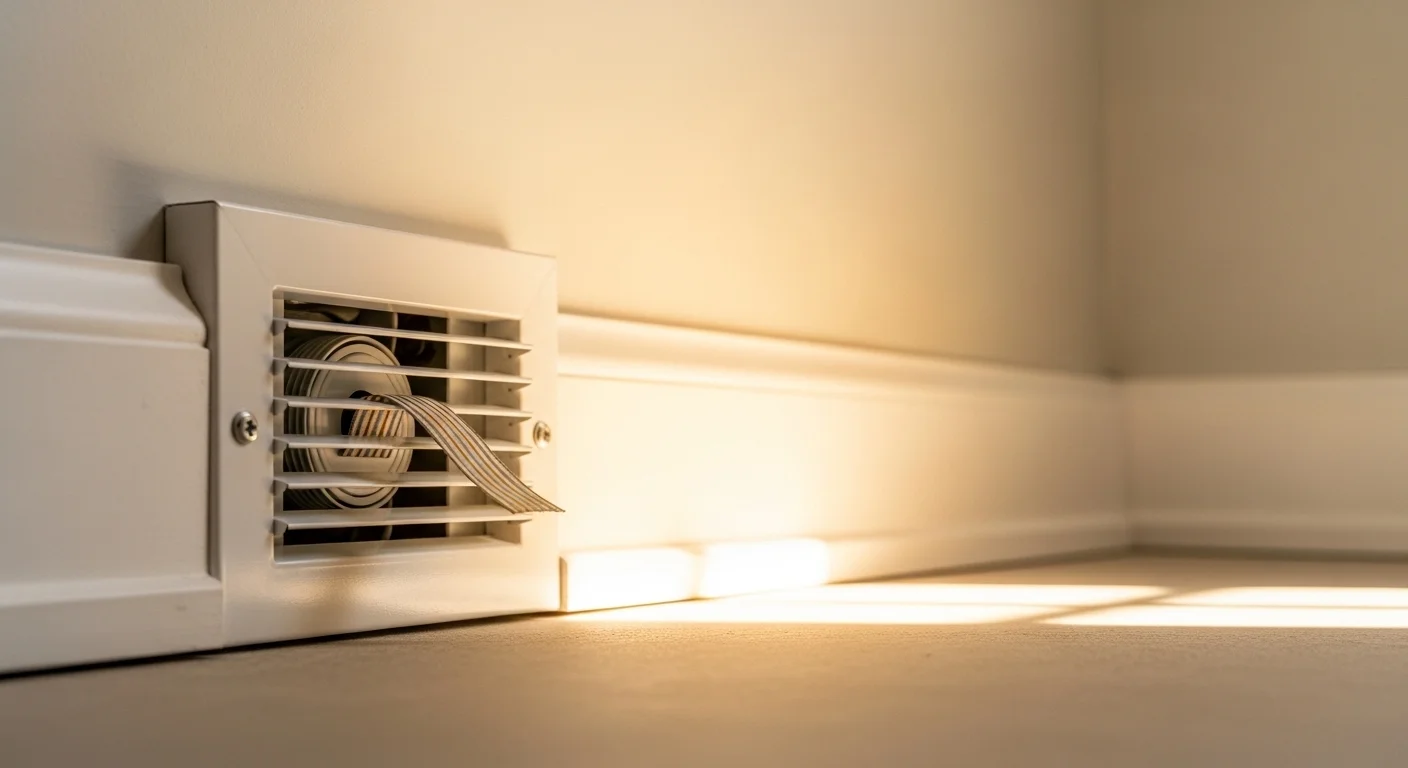
A ductless mini-split is a heat pump system. It consists of an outdoor compressor unit connected by a small conduit to an indoor wall-mounted blower unit.
- The Pros: Extremely energy efficient. It provides both powerful heating in the winter and dedicated air conditioning in the summer. It operates independently of your main house thermostat, allowing for perfect climate control in the basement.
- The Cons: The indoor wall unit is highly visible and takes up wall space. The upfront equipment and installation costs are higher than simply extending existing ductwork.
The Golden Rule: Don’t Heat a Leaky Bucket
No heating system will keep your basement warm if the walls are poorly insulated. Before you worry about the heater, you must address the building envelope.
During the framing stage of your basement renovation design, we strongly recommend applying closed-cell spray foam insulation directly to the foundation walls. It provides superior thermal resistance (R-value) and acts as a continuous vapor barrier, keeping the cold out and the heat locked inside.
At a Glance: Heating Options Comparison
| Heating System | Upfront Cost | Monthly Operating Cost | Comfort / Zone Control |
|---|---|---|---|
| HVAC Extension | Low to Moderate | Low (Gas) | Poor (Tied to upstairs thermostat) |
| Electric Baseboards | Low | High | Excellent (Room-by-room control) |
| Ductless Mini-Split | High | Very Low (Highly Efficient) | Excellent (Independent climate control) |
| Radiant Floor Heating | Highest | Moderate | Maximum Luxury & Comfort |
Frequently Asked Questions
Will finishing my basement make the rest of the house colder?
If you extend your existing ductwork without upgrading your furnace, the system has to work harder to push air across a larger area. This can sometimes result in reduced airflow to the second story of your home. A professional HVAC load calculation is necessary before tapping into existing ducts.
Should I close the basement vents during the summer?
Yes. Because cold air naturally sinks, basements are often too cold in the summer when the AC is running. Closing the supply vents in the basement helps push that cold air up to the higher, warmer floors of your home.
Can I put a wood stove or fireplace in the basement?
Yes, but it requires extensive planning for proper ventilation and combustion air. Direct-vent gas fireplaces are much more common and easier to install in basements than traditional wood-burning stoves, offering great supplemental heat and incredible ambiance.
Build a Space You Will Want to Use Year-Round
A successful remodel requires a balance of beautiful design and engineered comfort. Don’t settle for a freezing basement. Explore our basement renovation services and let our team design a climate-controlled sanctuary for your family.
Get a Free Renovation Quote