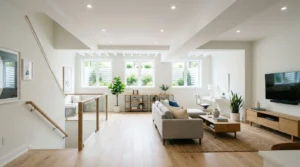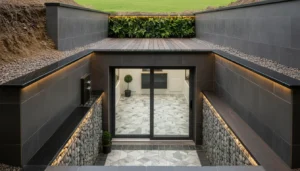
Many homeowners look at their compact basement and see only storage for holiday decorations. But at Jazz Construction Group, we see potential. A smaller footprint doesn’t mean you have to sacrifice style or functionality.
In fact, small basement renovation ideas are often the most creative. With the right layout and design tricks, a cramped cellar can transform into a cozy home office, a vibrant playroom, or a sophisticated lounge. It is not about how much space you have; it is about how you use it.
If you are ready to unlock the hidden value in your home, here are our top strategies to maximize limited space in your basement renovation.
1. Embrace the Open Concept Layout
The biggest mistake in renovating a basement with limited square footage is chopping it up into tiny rooms. Walls eat up valuable floor space and block light.
Instead, try “Zoning.” Use furniture, area rugs, or open shelving to define different areas without closing them off. For example, a sectional sofa can separate your TV area from a small corner office desk without a single sheet of drywall.
2. Utilize Vertical Space and “Dead” Zones
When you can’t build out, build up. Basement renovation design for small spaces relies heavily on smart storage.
- Under-Stair Storage: This is prime real estate. Turn the triangle of space under your stairs into a pull-out pantry, a mini wine cellar, or a cozy reading nook.
- Floor-to-Ceiling Shelving: Tall, narrow shelving units draw the eye upward, making ceilings feel higher while providing massive storage capacity.
- Floating Furniture: Wall-mounted desks and floating media consoles keep the floor visible, which tricks the brain into thinking the room is larger.
3. Lighting: The Secret Weapon
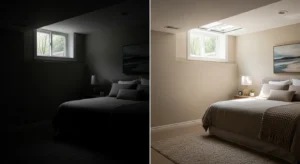
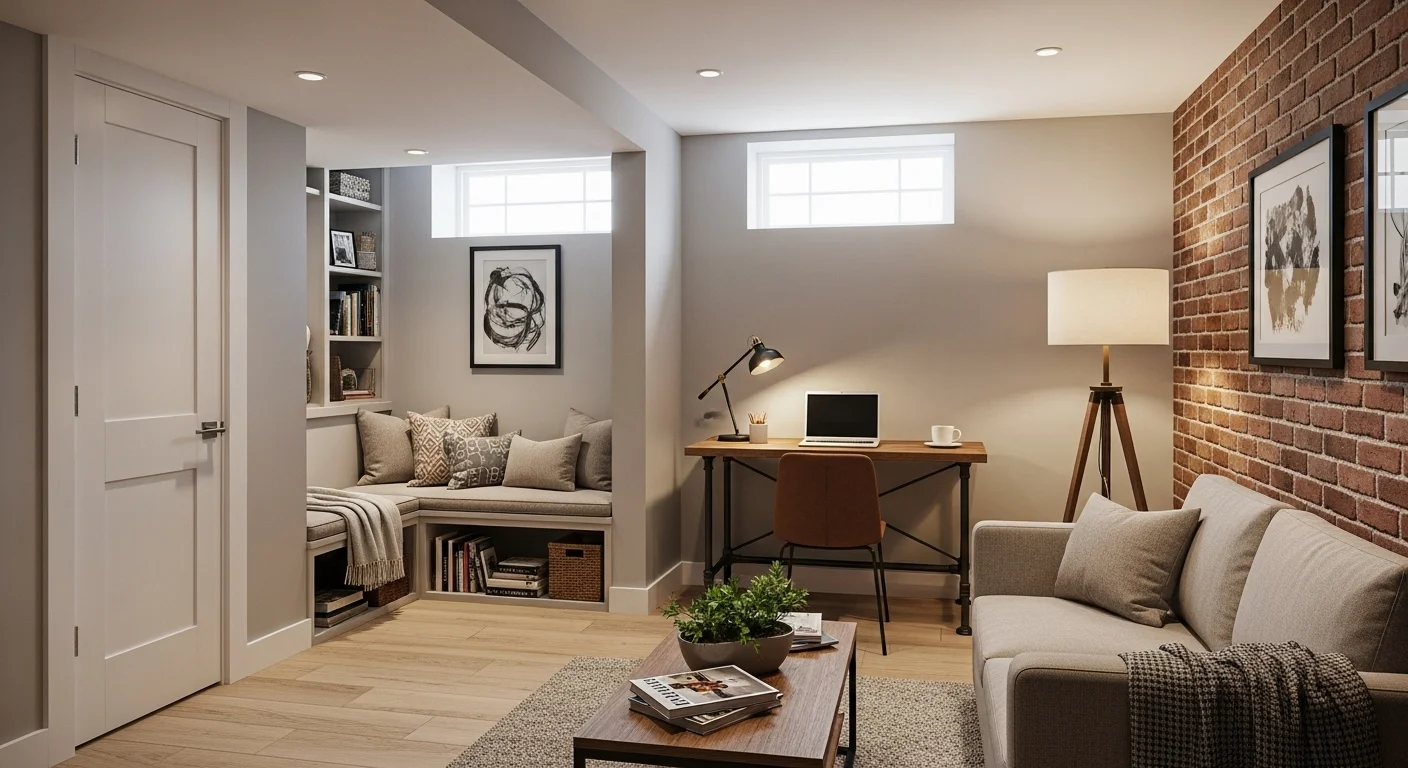
Darkness makes a room feel claustrophobic. Since small basements often lack large windows, your lighting plan is critical.
- Recessed Lighting (Pot Lights): These are essential. They don’t take up headroom and provide even, bright light throughout the space.
- Mirrors: Placing a large mirror opposite a window (if you have one) or a light source doubles the brightness and adds depth to the room.
- Layered Lighting: Don’t rely on one switch. Combine overhead lights with floor lamps and LED strip lighting under shelves for a warm, expansive feel.
4. Best Uses for a Small Basement
Not every room fits in a small footprint. Here is a breakdown of the best functional choices for maximizing small basement square footage:
| Room Type | Why It Works for Small Spaces | Space Saving Tip |
|---|---|---|
| Home Office | Requires minimal furniture (desk + chair). Quiet and secluded. | Use a wall-mounted fold-down desk. |
| Playroom | Kids don’t need high ceilings; they need floor space. | Use built-in benches with storage inside for toys. |
| Guest Suite | A cozy, boutique hotel vibe works well in compact rooms. | Install a Murphy bed that folds up when not in use. |
| Home Gym | Heavy equipment stays out of your main living areas. | Use large wall mirrors to check form and expand the view. |
5. Colors and Materials matter
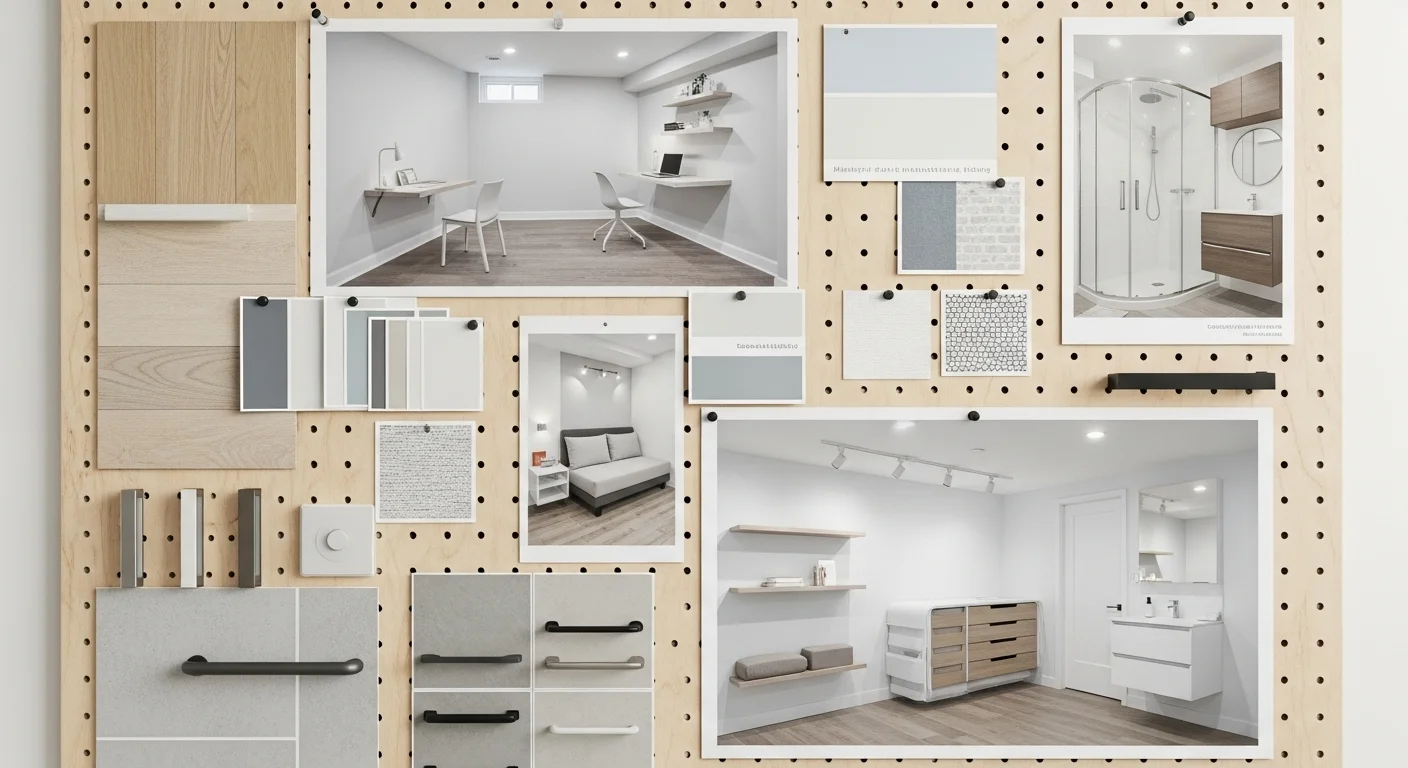
Your choice of materials can physically change how the space feels. For flooring, run the planks parallel to the longest wall to elongate the room. Stick to a continuous flooring material throughout the entire basement to avoid visual breaks.
Should you go light or dark?
Light colors (whites, creams, light grays) generally make walls recede, making the room feel bigger. However, a dark, moody charcoal can work beautifully in a small media room or “speakeasy” style bar, creating a cozy, enveloping atmosphere.
For more inspiration on materials, check out our basement renovation services portfolio.
Frequently Asked Questions
How much does it cost to renovate a small basement?
A small basement renovation (approx. 500-700 sq ft) generally costs between $15,000 and $35,000. The cost depends heavily on whether you are adding plumbing for a bathroom or wet bar, which increases the price.
What is the minimum ceiling height for a basement?
Building codes vary by location, but generally, 7 feet is the standard minimum height for living spaces. In older homes with lower ceilings, we can use creative solutions like painting the exposed joists to maximize height perception.
Can I add a bathroom to a small basement?
Yes! A 3-piece bathroom (shower, toilet, sink) can fit into a space as small as 30-40 square feet. Corner showers and floating vanities are great space-saving fixtures for small layouts.
Maximize Your Space Today
Your basement might be small, but its potential is huge. Don’t let limited square footage limit your imagination. Let our design experts help you create a functional, beautiful space that fits your budget.
Get a Free Design Consultation