
Flooring is one of the biggest design and budget decisions in any renovation. It covers more surface than almost anything else in your home, it takes daily wear, and it sets the tone for every room.
This guide compares the four most common whole-home flooring materials for New Jersey homes in 2026, with installed costs, water resistance, and where each one makes the most sense.
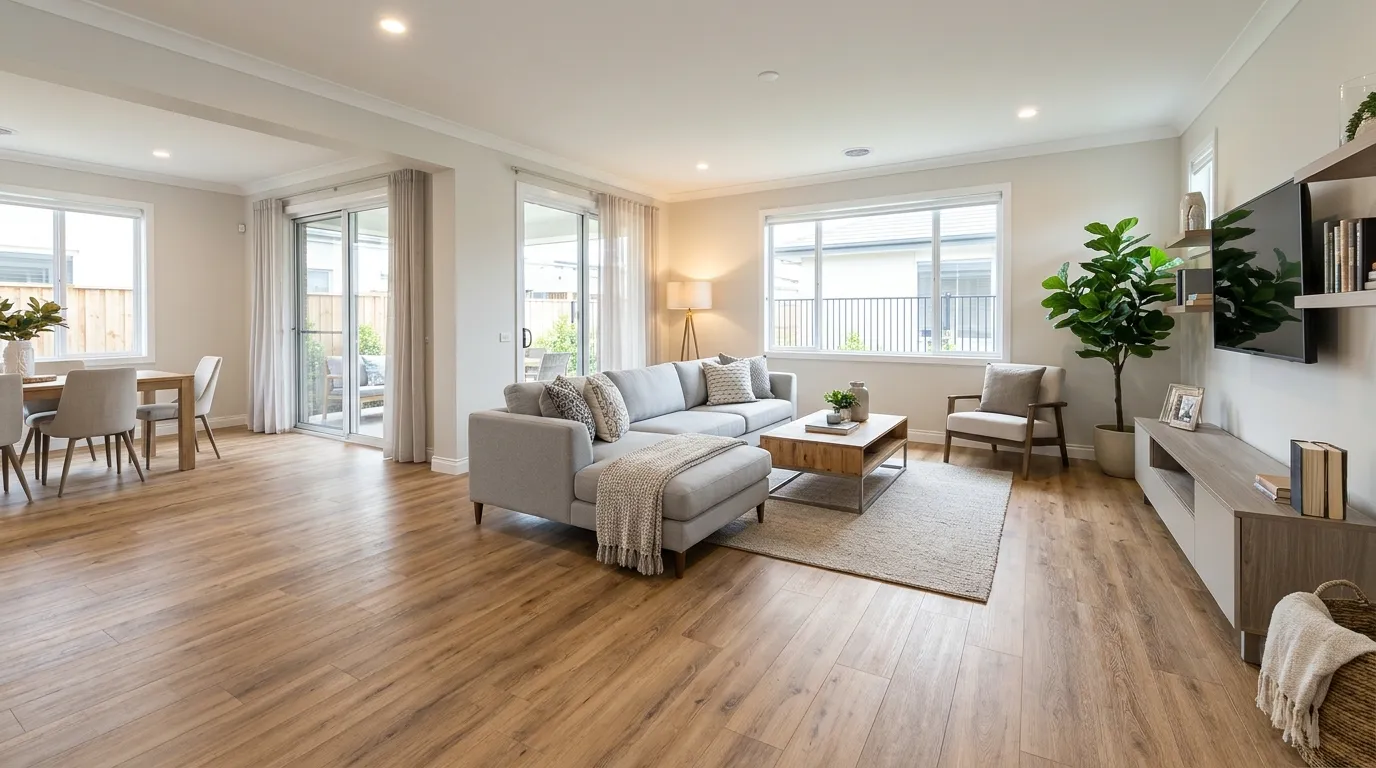
In This Guide
Key Takeaways
- Solid hardwood costs the most but can be sanded and refinished, giving it the longest potential service life.
- Engineered hardwood gives a real-wood surface with more stability, and its refinishing potential depends on the wear layer.
- Luxury vinyl plank is the safest bet for wet areas, with rigid-core options that are waterproof.
- Subfloor preparation, removal, and trim can change the final price as much as the flooring itself.
Why Flooring Choice Matters
The right floor balances look, comfort, durability, and moisture tolerance for each room. A material that is perfect in a dry living room may be a poor choice in a kitchen, laundry room, or basement.
Planning a bigger remodel? Flooring decisions often go hand in hand with kitchen, bathroom, and basement projects, and our team can help you coordinate them.
Flooring Materials Compared
Here’s how the four most common flooring materials stack up.
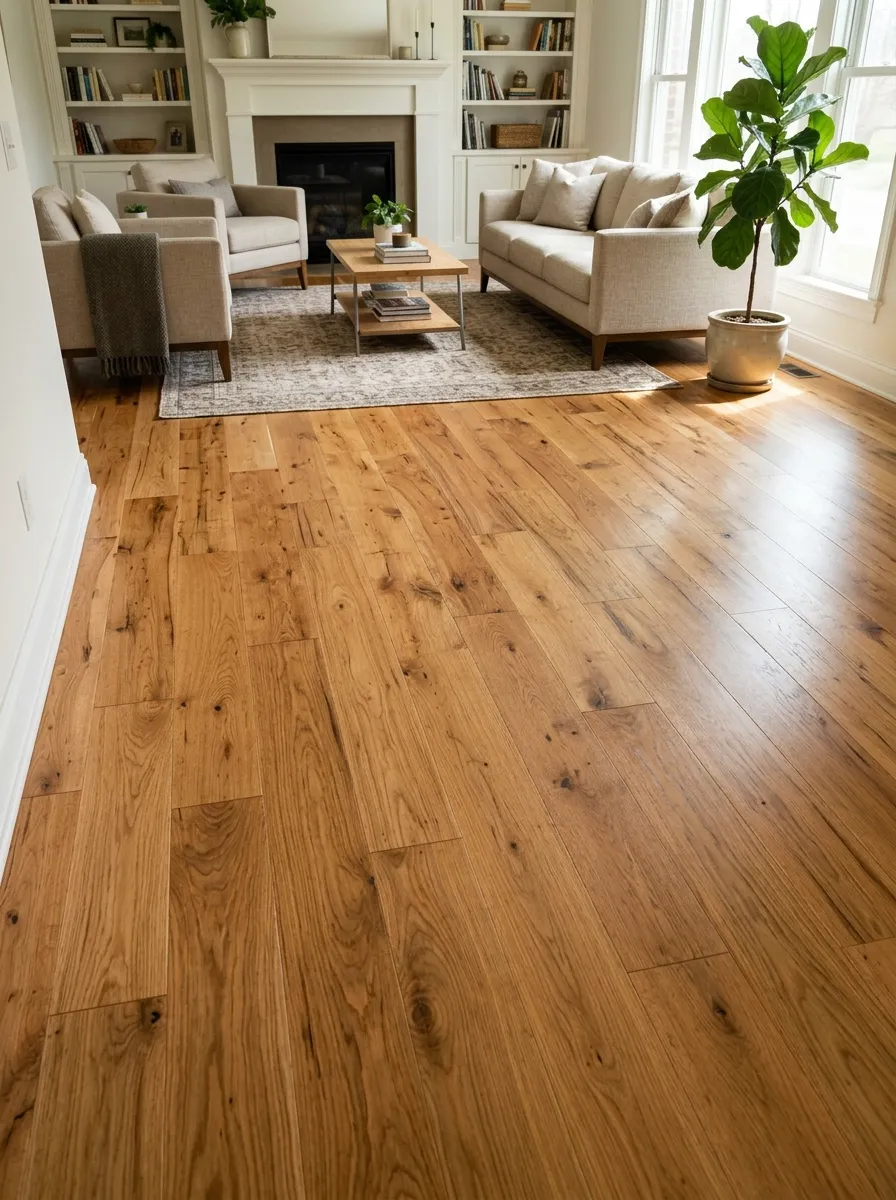
Solid Hardwood
Real wood milled from a single piece, with the greatest opportunity for sanding and refinishing over the years. It is sensitive to moisture and humidity swings, so it fits above-grade living spaces better than basements or bathrooms.
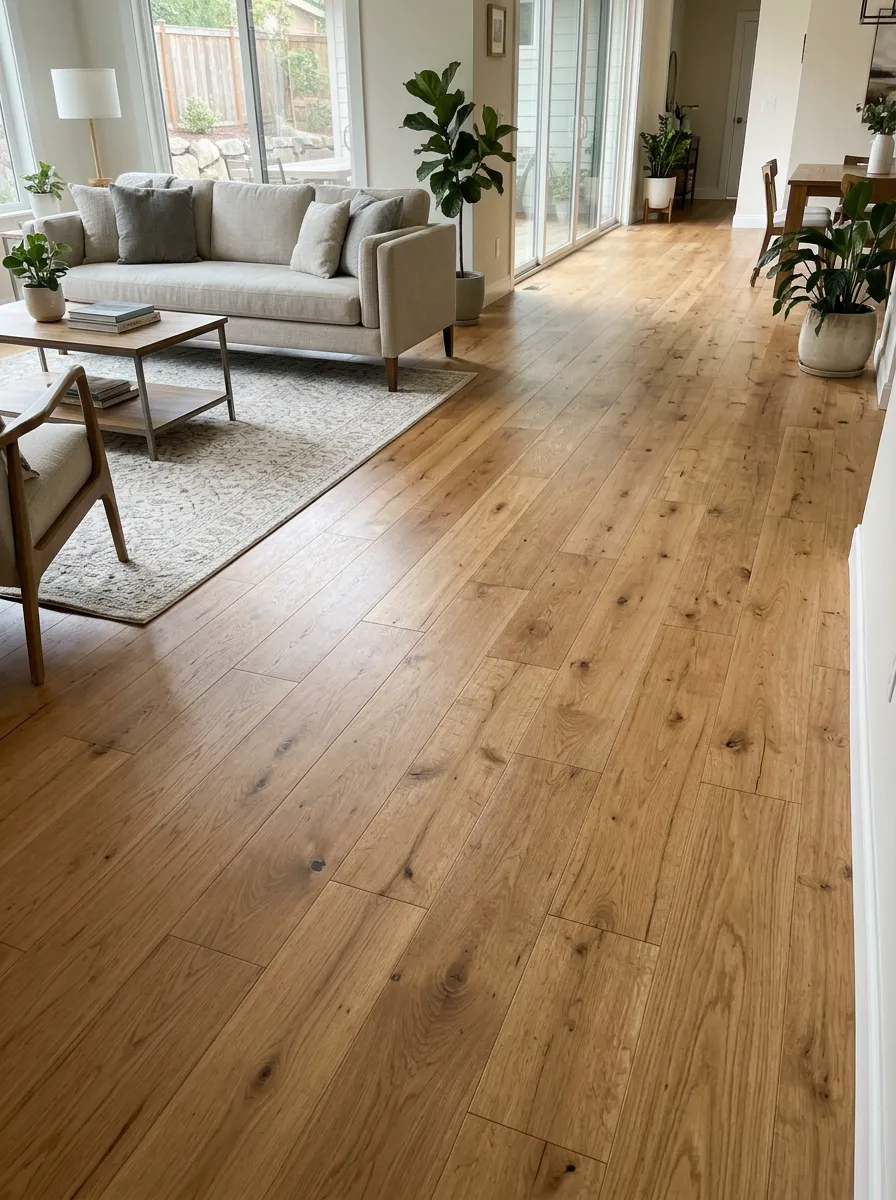
Engineered Hardwood
A real-wood top layer over a layered core that handles humidity better than solid wood. Refinishing depends on the thickness of the wear layer, and standard engineered wood is not waterproof, though some products offer more water resistance.
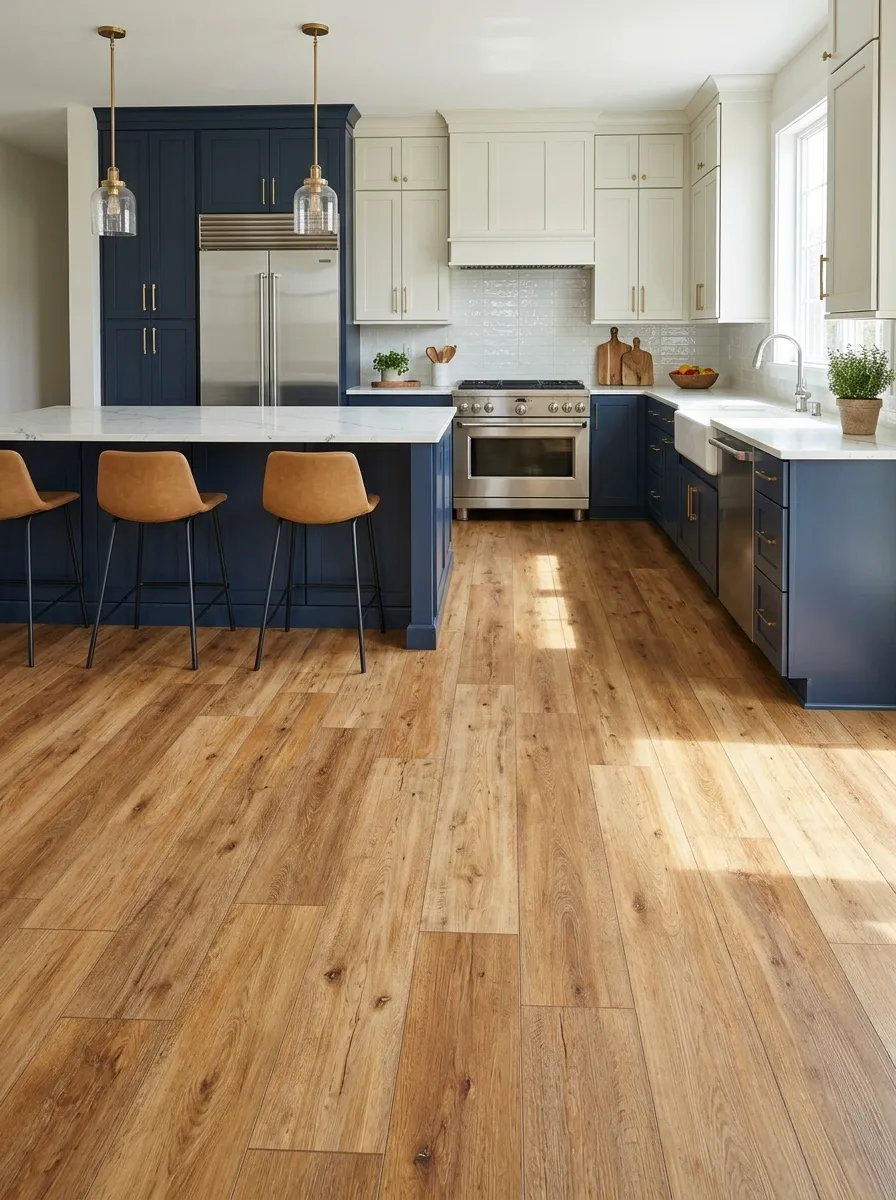
Luxury Vinyl Plank
A durable, comfortable option with realistic wood and stone looks. Rigid-core LVP is often waterproof, making it a strong choice for kitchens, baths, and basements, but it cannot be sanded, so damaged planks are replaced.
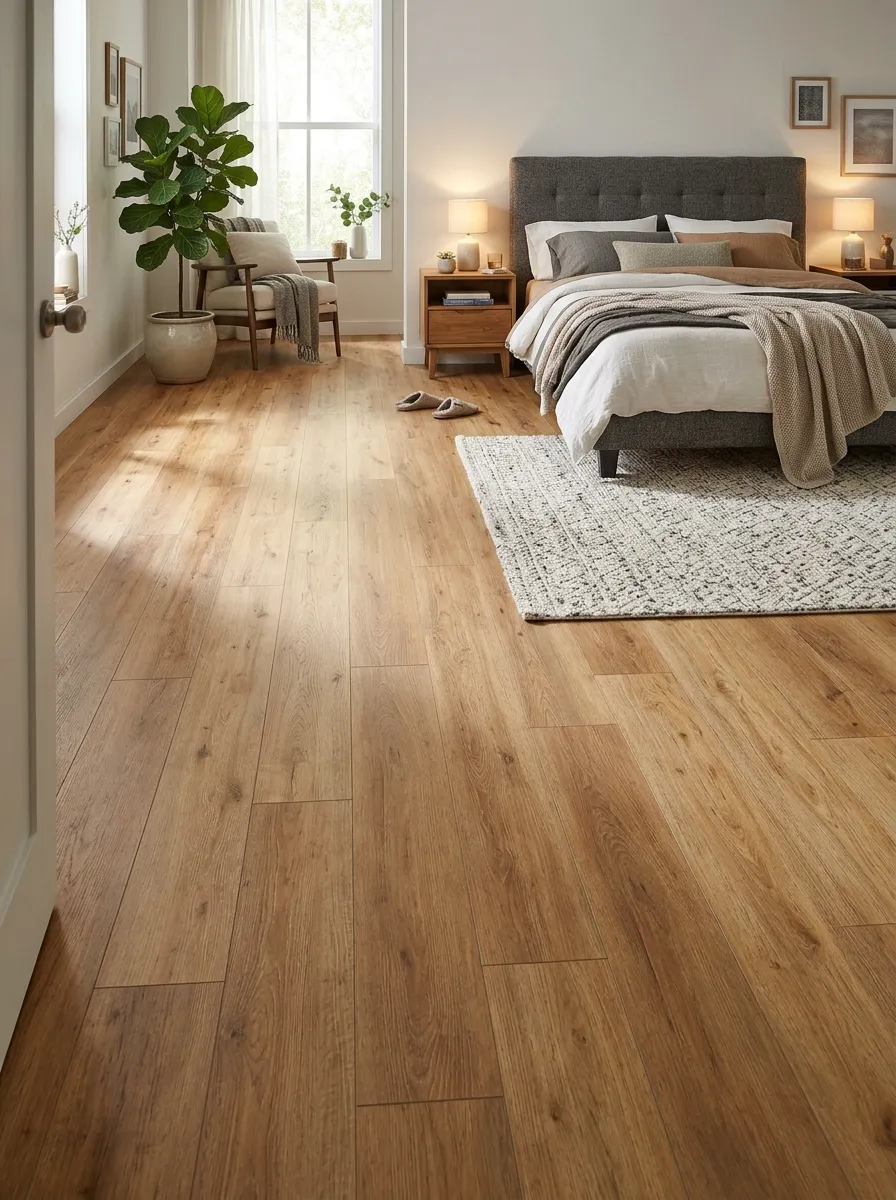
Laminate
An affordable photographic wood-look surface over a fiberboard core. Many laminates are water-resistant rather than waterproof, so check each product, and like LVP it cannot be refinished.
Note: Many homes mix flooring types, such as engineered hardwood in living areas and LVP in the kitchen, laundry, or basement. Compare the actual wear layer, construction, and warranty of each specific product rather than relying on category claims.
Not sure which flooring fits your home and budget?Get a free, no-obligation consultation and quote.
Get My Free QuoteCost Comparison
Here’s a side-by-side look at typical installed costs, with a sample 1,000 sq. ft. area for scale.
| Material | Installed per Sq. Ft. | 1,000 Sq. Ft. Installed | Water Resistance | Refinishing |
|---|---|---|---|---|
| Solid Hardwood | $12 – $25+ | $12,000 – $25,000+ | Low | Yes, multiple times |
| Engineered Hardwood | $8 – $20 | $8,000 – $20,000 | Varies by product | Depends on wear layer |
| Luxury Vinyl Plank | $5 – $12 | $5,000 – $12,000 | High (rigid-core) | No |
| Laminate | $5 – $12 | $5,000 – $12,000 | Check each product | No |
Note: These are planning ranges, not quotes, and the Northeast tends to run higher. Final cost depends on subfloor preparation, removal of old flooring, underlayment, trim, and stairs. Waterproof engineered hardwood runs roughly $10–$22 installed. Our team provides a full quote after a site visit.
How to Choose the Right Flooring
A few questions can quickly narrow the decision:
- Which room is it for? LVP suits kitchens, baths, laundry rooms, and basements. Hardwood and engineered wood shine in living areas and bedrooms.
- How long will you stay? Solid hardwood can be refinished for decades, which pays off for long-term homes.
- What’s your budget? LVP and laminate are the most affordable. Engineered and solid hardwood sit higher.
- Do you have pets, kids, or heavy traffic? Look closely at wear layer thickness (in mils for LVP, millimeters for engineered wood) and the finish.
- Plan the whole project. Subfloor prep, underlayment, trim, and removal add to the price, so compare complete installed quotes.
Frequently Asked Questions
What is the best flooring for a whole house?
Many homeowners choose engineered hardwood or LVP for a whole-home look, using LVP in wet areas. The best choice depends on your budget, how you use each room, and how much upkeep you want.
Is engineered hardwood better than solid hardwood?
Engineered hardwood is generally more stable in changing humidity and costs less, while solid hardwood offers the most refinishing opportunities. Neither is automatically better; it depends on the room and the product.
Is luxury vinyl plank really waterproof?
Rigid-core LVP products are often waterproof, but water can still reach the subfloor through wall gaps, transitions, or poorly joined planks. Check the specific product and installation details.
Can laminate or LVP be refinished?
No. Neither can be sanded or refinished, so damaged planks are replaced. It is smart to keep an unopened carton after installation for future repairs.
How much does it cost to replace flooring?
Typical installed planning ranges are about $5 to $12 per square foot for LVP and laminate, $8 to $20 for engineered hardwood, and $12 to $25 or more for solid hardwood, plus prep and removal.
Ready for New Floors?
From choosing the right material to subfloor prep and expert installation, our team handles every step of your flooring project, with a clear, upfront quote before any work begins.
Fill out the form and get a custom flooring estimate for your home today.